
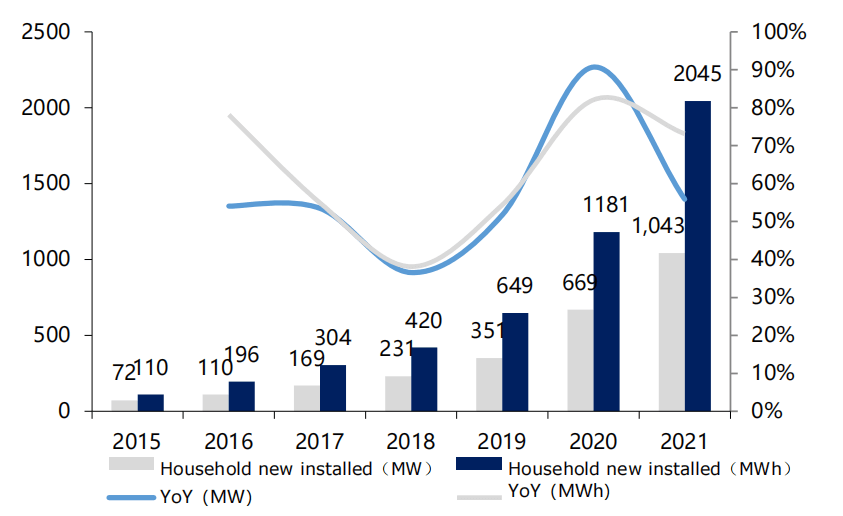
As the world continues to transition towards renewable energy, the need for sustainable energy storage is becoming increasingly crucial. The variability of solar and wind power means that traditional energy sources are no longer reliable enough on their own. This has led to a surge in demand for innovative energy storage systems.
The Rise of Energy Storage Systems (ESG)
According to a report by Pike Research, the global market for Energy Storage Systems (ESG) is expected to experience significant growth over the next decade. By 2022, an impressive 56 gigawatts of energy storage capacity are projected to be installed worldwide.
But what exactly are these systems? Simply put, ESGs are devices that store excess energy generated by renewable sources, such as solar and wind power, for later use. This ensures a stable and reliable supply of electricity, even when the sun is not shining or the wind is not blowing.
The Evolution of Energy Storage Systems
As technology advances, so too do the capabilities of ESGs. Researchers are now exploring new materials and technologies that can lead to more efficient and compact storage systems. Some promising examples include:
- Compressed Air Energy Storage (CAES): This method involves compressing air in underground caverns during off-peak hours, which is then expanded to generate electricity during peak demand periods.
- Sodium-Ion Batteries: These batteries have shown great promise due to their high energy density and cost-effectiveness.
- Lead-Acid Batteries: While not as efficient as other options, lead-acid batteries are still widely used in grid-scale applications due to their reliability and low cost.
- Flow Batteries: Also known as vanadium redox batteries, these systems use a liquid electrolyte to store energy, offering high flexibility and scalability.
Overcoming the Last Hurdle: Transmission and Distribution
While ESGs are crucial for renewable energy integration, there remains another significant challenge: efficient transmission and distribution. As more renewable energy sources come online, grid operators must balance supply and demand without incurring excessive energy losses.
Breaking Down the Barriers to Widespread Adoption
The journey towards widespread adoption of ESGs will require continued innovation and investment. Governments, industries, and consumers must work together to overcome the technical, economic, and social barriers that stand between us and a more sustainable energy future.
Key Takeaways:
- The demand for energy storage systems is growing rapidly due to increasing renewable energy adoption.
- The global market for ESGs is expected to reach 56 gigawatts by 2022.
- Advancements in technology are enabling more efficient, compact, and cost-effective storage solutions.
- Efficient transmission and distribution remain a significant challenge for widespread adoption.
Frequently Asked Questions (FAQs)
- What are the main types of energy storage systems?
- Compressed air energy storage
- Sodium-ion batteries
- Lead-acid batteries
- Flow batteries
- Why is energy storage crucial for renewable energy integration?
- Ensures a stable and reliable supply of electricity
- Balances supply and demand without excessive energy losses
- What are the current challenges to widespread adoption of ESGs?
- Technical, economic, and social barriers
- How can we overcome these challenges?
- Continued innovation and investment
- Collaboration between governments, industries, and consumers
- What is the expected growth rate of the global energy storage market?
- Significant growth over the next decade
Case Studies: Successful Energy Storage Implementations
Several countries and companies have successfully implemented energy storage systems to support their renewable energy integration efforts. Here are a few notable examples:
- Germany’s Grid-Scale Pumped Hydro Storage: Germany has invested heavily in pumped hydro storage (PHS) technology, which involves pumping water from a lower reservoir to an upper reservoir during off-peak hours. During peak demand periods, the water is released back down to the lower reservoir, generating electricity through hydroelectric power plants.
- California’s Tesla Powerwall Program: In 2019, California launched a program to incentivize homeowners to install Tesla Powerwalls, a type of home battery storage system. The program aimed to increase the adoption of energy storage technologies in residential settings and support the state’s goal of reducing greenhouse gas emissions.
The Role of Energy Storage in Achieving a Low-Carbon Future
As the world continues to transition towards a low-carbon economy, energy storage will play an increasingly crucial role in supporting renewable energy integration. By providing a stable and reliable supply of electricity, ESGs can help reduce greenhouse gas emissions and mitigate climate change.
Conclusion
The future of energy storage is bright, with significant growth expected over the next decade. As technology advances and costs decrease, ESGs are becoming an increasingly viable option for supporting renewable energy integration efforts. By overcoming the technical, economic, and social barriers to widespread adoption, we can unlock a more sustainable energy future for generations to come.


