
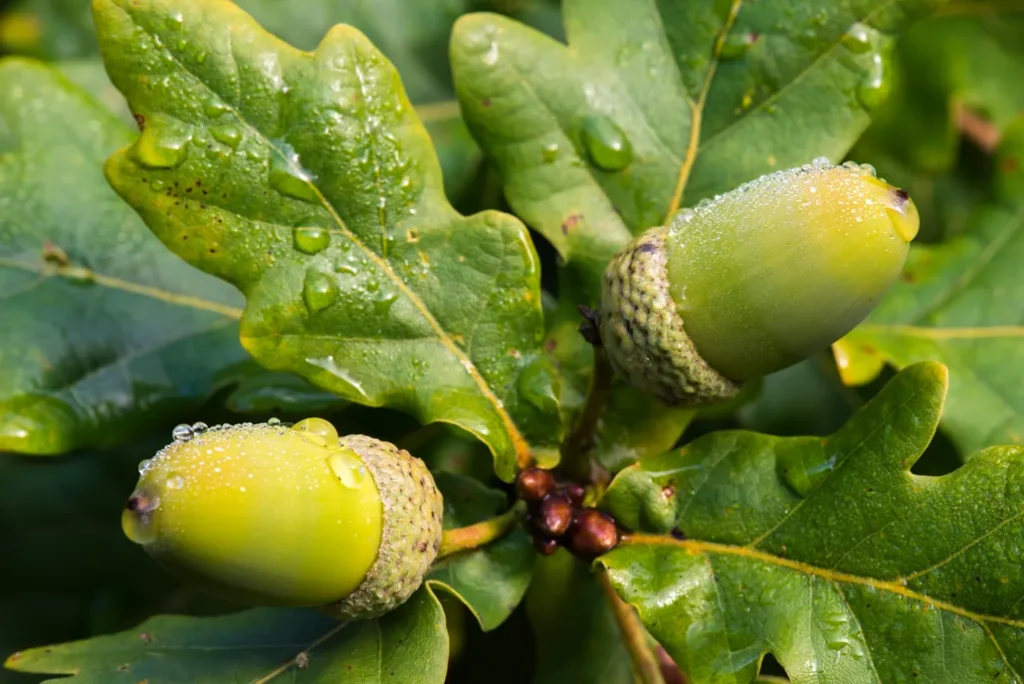
As I delved into the world of invasive species, I couldn’t help but wonder why this topic deserved a book-length treatment. The title “Per un pugno di ghiande” (For a Fistful of Nuts) seemed intriguing, but what could this book possibly have to say about these often-maligned creatures? Luckily, authors Sandro Natalini and Piero Genovesi are here to enlighten us.
Why Read About Invasive Species?
It’s natural to feel ambivalent about diving into the world of invasive species. But let’s face it: these animals can cause significant problems for our planet and its inhabitants. Since 1970, invasive species have grown by a staggering 76% – that’s a concern worth exploring. By learning more about these creatures, we can better understand how they spread and why they’re so effective at outcompeting native species.
Invasive species can have far-reaching consequences for ecosystems, from disrupting delicate food webs to altering the very fabric of our planet’s biodiversity. By studying these creatures, we can gain a deeper understanding of the complex interactions that shape our world and develop strategies to mitigate their impact.
Meet the Authors
Sandro Natalini is a talented illustrator and author who has made a name for himself in the world of children’s literature. His work often incorporates humor and wit, making even complex concepts accessible to young readers. Piero Genovesi, on the other hand, is a renowned zoologist with a passion for conservation. He’s worked tirelessly to raise awareness about invasive species and protect our planet’s precious biodiversity.
Both Natalini and Genovesi share a deep commitment to environmental education and conservation. Their collaboration on “Per un pugno di ghiande” is a testament to their shared vision of inspiring young readers to take action in protecting the natural world.
The Invasive Species Guide
Natalini and Genovesi have done an excellent job of selecting a diverse range of examples from the animal kingdom. From the grey squirrel, which is outcompeting native red squirrels in Europe, to the zebrated coquina snail, these creatures will surprise you with their adaptability.
The authors’ guide covers various aspects of invasive species, including their history, ecological impact, and strategies for management and control. By examining case studies from around the world, readers can gain a better understanding of the complexities involved in dealing with invasive species.
The Scoop on the Grey Squirrel
One of the most well-known invasive species is the grey squirrel, which has been introduced to Europe through escapes from captivity. This clever creature has proven to be a formidable competitor for native red squirrels, forcing them to adapt or face extinction.
Grey squirrels have also had significant impacts on forestry management and conservation efforts. By studying their behavior and ecology, researchers can develop more effective strategies for managing forest ecosystems.
A Look at Other Invaders
But it’s not just mammals that are causing problems. The giant snail, the koala (which is actually an invasive mammal in New Zealand), and even the conger eel have all made appearances on Natalini and Genovesi’s list of invasive species. Each has its own unique characteristics and challenges for native ecosystems.
The authors also delve into the fascinating world of aquatic invasive species, discussing the role of non-native fish and invertebrates in disrupting marine food webs.
Invasive Species Across Different Biomes
Natalini and Genovesi explore the diverse range of invasive species found across different biomes, from deserts to forests. By examining case studies from various ecosystems, readers can gain a deeper understanding of how these invaders adapt and interact with native species in different environments.
For example, in tropical rainforests, invasive trees like the Melia azedarach can outcompete native vegetation for light and resources, leading to significant changes in forest structure and composition. In contrast, in grasslands, non-native herbivores like the eastern grey squirrel can contribute to the decline of native plant species.
The Authors’ Work
Natalini’s illustrations are a delightful bonus to this book, making complex concepts fun and engaging for young readers. As for Genovesi, his expertise shines through in the detailed explanations of these invasive species.
Throughout the book, Natalini incorporates humorous anecdotes and clever graphics, making even the most complicated scientific concepts accessible to readers of all ages. The result is a comprehensive guide that is both informative and entertaining.
Why This Book Matters
While it may seem like an unusual topic, Natalini and Genovesi’s work is actually quite timely. Invasive species pose a significant threat to our planet’s biodiversity, and understanding how they spread and interact with native ecosystems is crucial for conservation efforts.
By exploring the fascinating world of invasive species through “Per un pugno di ghiande,” readers can develop a deeper appreciation for the complex interactions that shape our world and take action to protect our planet’s precious biodiversity.
Conclusion
“Per un pugno di ghiande” (For a Fistful of Nuts) is not just another book about invasive species – it’s an opportunity to engage with complex issues in a fun and accessible way. By learning more about these fascinating creatures, we can better appreciate the importance of conservation and take action to protect our planet’s precious biodiversity.
As Natalini and Genovesi so aptly put it: “Invasive species are often misunderstood or overlooked, but they have a significant impact on ecosystems worldwide. By studying these invaders, we can gain valuable insights into the complex interactions that shape our world.”
Frequently Asked Questions
- What motivated you to write this book?
Sandro Natalini: “I wanted to share my passion for storytelling with a wider audience, while also highlighting the importance of conservation.”
Piero Genovesi: “As a zoologist, I’ve seen firsthand the impact invasive species can have on ecosystems. This book is an attempt to raise awareness and inspire action.”
- What’s the most surprising invasive species you’ve come across?
Sandro Natalini: “The zebrated coquina snail! Who would have thought that such a tiny creature could cause so much trouble?”
Piero Genovesi: “For me, it’s the giant African land snail. It may seem harmless, but its impact on native ecosystems is significant.”
- What do you hope readers take away from this book?
Sandro Natalini: “I want readers to understand that invasive species are often more complex and fascinating than they initially seem.”
Piero Genovesi: “My goal is for readers to become aware of the challenges posed by invasive species and feel empowered to make a difference.”
- What’s next for you both?
Sandro Natalini: “I’m working on a new children’s book that explores the importance of conservation through storytelling.”
Piero Genovesi: “As a zoologist, I’ll continue to work with organizations dedicated to conservation and species protection.”


