
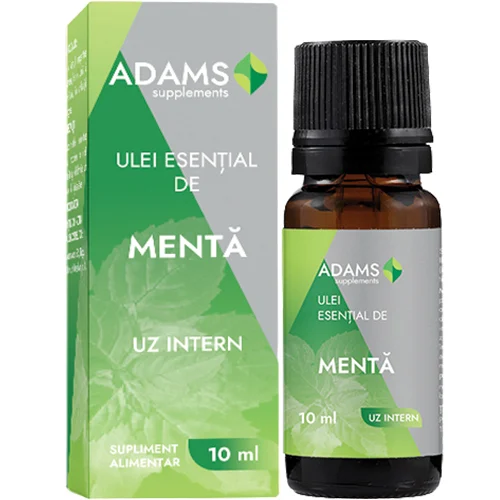
What is Peppermint Oil?
Peppermint oil, extracted from the leaves and stems of the peppermint plant (Mentha piperita), is a highly concentrated natural remedy that has been used for centuries to alleviate various health issues. Its effectiveness in soothing digestive problems, reducing nausea, and alleviating symptoms associated with irritable bowel syndrome (IBS) make it an attractive option for those seeking natural remedies.
Peppermint oil’s unique properties are due to the presence of menthol and menthone, which give it its characteristic cooling sensation and medicinal effects. The oil is extracted through a process called steam distillation, where the plant material is heated with steam to release its essential oils. These oils are then collected and purified for use in various applications.
When to Use Peppermint Oil Internally
Peppermint oil is recommended for internal use due to its calming properties, which can help alleviate nausea, vomiting, and digestive discomfort. It’s also used as a natural remedy to prevent motion sickness and travel-related stomach issues.
Benefits of Peppermint Oil for Internal Use
• Relieves Digestive Issues: Peppermint oil helps soothe digestive problems such as nausea, vomiting, indigestion, and irritable bowel syndrome (IBS).
• Reduces Motion Sickness: Peppermint oil is effective in preventing motion sickness and travel-related stomach issues.
• Freshens Breath: Peppermint oil is used to freshen breath and eliminate bad odor from the mouth.
• Eliminates Parasites: Peppermint oil is believed to help eliminate parasites from the digestive system.
• Anti-Inflammatory Properties: Peppermint oil has anti-inflammatory properties, making it effective in reducing inflammation and alleviating symptoms associated with digestive issues.
The Science Behind Peppermint Oil’s Digestive Benefits
Peppermint oil’s effectiveness in alleviating digestive issues is attributed to its ability to relax the muscles in the digestive tract. This relaxation helps reduce spasms and alleviate symptoms such as cramps, bloating, and gas. Additionally, peppermint oil has a calming effect on the nervous system, which can help reduce stress-related digestive issues.
Important Considerations for Internal Use
It’s essential to note that peppermint oil should only be used internally, as external use can cause skin irritation. Always consult with a healthcare professional before using peppermint oil for internal use, especially if you have any underlying medical conditions or are taking medications.
How to Use Peppermint Oil Internally Safely
To ensure safe internal use, follow these guidelines:
• Consult a Healthcare Professional: Before using peppermint oil for internal use, consult with a healthcare professional.
• Start with Small Doses: Begin with small doses (2-3 drops) and gradually increase as needed.
• Mix with Water: Mix 2-3 drops of peppermint oil with half a glass of water to alleviate digestive issues.
• Avoid Overuse: Avoid overusing peppermint oil, as it can cause side effects such as stomach upset.
Where to Buy Peppermint Oil for Internal Use
Globally, the availability of high-quality peppermint oil for internal use is limited. However, online marketplaces like Amazon offer a range of products that meet safety standards. When purchasing peppermint oil online, ensure that it’s labeled as “food-grade” and follows good manufacturing practices (GMPs).
Peppermint Oil: Benefits and Risks
While peppermint oil offers numerous benefits for internal use, it also carries potential risks:
• Interactions with Medications: Peppermint oil may interact with certain medications such as valium, diazepam, isoptin, and warfarin.
• Stomach Upset: Excessive use of peppermint oil can cause stomach upset, nausea, and vomiting.
Frequently Asked Questions (FAQs)
- Q: Can I take peppermint oil for internal use every day?
A: No, it’s recommended to consult with a healthcare professional before using peppermint oil for internal use daily. - Q: How long does it take for peppermint oil to start working?
A: Peppermint oil typically starts working within 15-30 minutes of ingestion. - Q: Can I mix peppermint oil with other supplements?
A: Consult with a healthcare professional before mixing peppermint oil with other supplements, as interactions may occur. - Q: How much peppermint oil should I take per day?
A: The recommended dosage is 2-3 drops mixed with half a glass of water, taken 2-3 times a day. - Q: Can I use peppermint oil if I’m pregnant or breastfeeding?
A: Consult with a healthcare professional before using peppermint oil during pregnancy or breastfeeding. - Q: How can I store peppermint oil safely?
A: Store peppermint oil in a cool, dark place, away from children and pets.
Precautions and Contraindications
While peppermint oil is generally considered safe for internal use, there are certain precautions and contraindications to be aware of:
• Pregnancy and Breastfeeding: Consult with a healthcare professional before using peppermint oil during pregnancy or breastfeeding.
• Allergies: If you have allergies, consult with a healthcare professional before using peppermint oil.
• Gastrointestinal Issues: If you have gastrointestinal issues such as Crohn’s disease, ulcerative colitis, or gastroesophageal reflux disease (GERD), consult with a healthcare professional before using peppermint oil.
Conclusion
Peppermint oil has shown promise as a natural solution for digestive issues and other health concerns. However, it’s essential to use it safely and responsibly by following guidelines for internal use and consulting with a healthcare professional before starting treatment. By understanding the benefits and risks of peppermint oil and taking necessary precautions, individuals can harness its power to alleviate digestive problems and improve overall well-being.
Additional Tips
• Start with Small Doses: Begin with small doses (2-3 drops) and gradually increase as needed.
• Mix with Water: Mix 2-3 drops of peppermint oil with half a glass of water to alleviate digestive issues.
• Avoid Overuse: Avoid overusing peppermint oil, as it can cause side effects such as stomach upset.
Final Thoughts
Peppermint oil is a natural remedy that has been used for centuries to alleviate various health issues. Its effectiveness in soothing digestive problems and reducing nausea makes it an attractive option for those seeking natural remedies. However, it’s essential to use peppermint oil responsibly and follow guidelines for internal use to ensure safe and effective treatment.


