
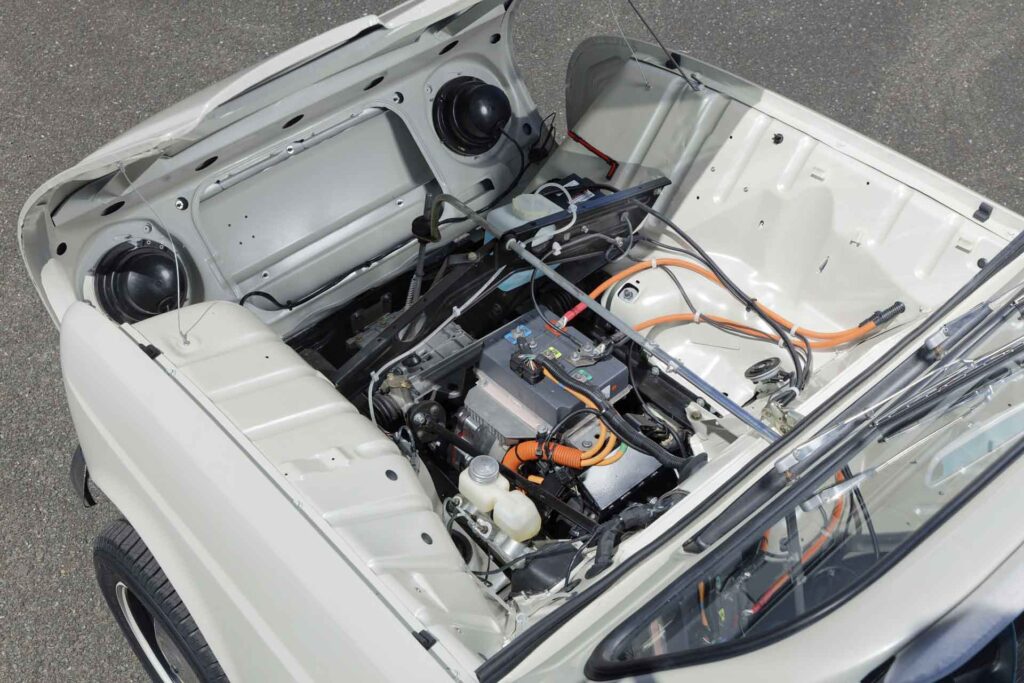
Are you considering retrofitting your old car to make it an electric vehicle? Before scrapping your old car and buying a new one, have you thought about the electric conversion option? Relying on electric vehicles comes with significant environmental concerns, as well as substantial costs.
In January 2013, the Italian government launched a plan of incentives that included a bonus of €5,000 for purchasing an electric vehicle. However, this strategy has been heavily criticized because it does not encourage the conversion of conventional cars into electric vehicles, which would benefit local mechanics and restore some vitality to Italy’s automotive sector.
Today, we’ll delve into Electric Vehicle Conversion, also known as Retrofit Elettrico, a technology that converts a car with a gasoline engine into an all-electric vehicle. This process is relatively simple and costs anywhere from €5,000 to €10,000. What exactly does the Electric Vehicle Conversion entail?
Removing the original engine, fuel tank, exhaust pipes, and cooling system, replacing them with an electric motor and rechargeable batteries. The dismantling of the previous mechanical parts costs around €1,000, while installing a new motor ranges from €1,000 to €4,000. Adding electronic components also requires an additional €4,000, as well as labor costs totaling around €1,000. Finally, installing rechargeable batteries will cost around €4,000.
With a total expenditure of €10,000, you can transform your old car into a modern, eco-friendly, and economical vehicle that will pay for itself in the long run. Is it worth converting your car to an electric vehicle? While the initial investment may seem prohibitive, selling used parts from the old engine can partially offset the costs.
Electric Vehicle Conversion: Advantages and Disadvantages
Although conversion to an electric vehicle is costly, the investment is quickly recouped, along with benefits such as reduced insurance premiums (50%) and waived maintenance costs. Nonetheless, there are also drawbacks, including limited range of travel (approximately 100 kilometers per full tank) and sparse charging infrastructure throughout the country.
It’s worth noting that filling up an electric vehicle costs around €2, significantly less than traditional gasoline-powered cars!
However, one of the biggest advantages of Electric Vehicle Conversion is its potential environmental benefits. By converting a conventional car into an all-electric vehicle, we can significantly reduce greenhouse gas emissions and air pollution in urban areas.
Moreover, there are tax incentives available for electric vehicles, which can help offset the costs of conversion. In Italy, for example, the government offers a rebate of up to €5,000 for purchasing an electric vehicle. This incentive is expected to increase as the demand for electric vehicles grows.
Bureaucratic Challenges in Italy
Currently, converting a car from gas to electricity is not possible due to regulatory hurdles. To homologate a converted car in Italy, there are numerous bureaucratic obstacles. However, thanks to Germany’s opening up of the market, it should become easier.
When will things change?
The upcoming Decree Development contains two amendments that make it simpler and more feasible for cars obtained through electric conversion to be homologated. These changes aim to streamline the process and reduce the regulatory burden on electric vehicle converters.
FAQs
- What is Electric Vehicle Conversion?
Electric Vehicle Conversion, also known as Retrofit Elettrico, is a method of converting a car with an internal combustion engine into all-electric. - How much does the conversion cost?
The total cost of conversion ranges from €5,000 to €10,000. - Can I sell old parts to offset costs?
Yes, used components can be sold to partially cover the expenses. - Are there any environmental benefits?
Yes, reducing waste and lowering emissions are both positive outcomes. - What is the maximum range for an electric vehicle conversion?
The maximum travel distance is approximately 100 kilometers per full tank.
Safety Considerations
While Electric Vehicle Conversion is generally considered a safe process, there are some safety considerations to be aware of. When working with electrical components and high-voltage systems, it’s essential to follow proper safety procedures to avoid injury or damage.
Additionally, the electric motor and rechargeable batteries must be properly installed and secured to ensure safe operation. It’s also crucial to check the electrical system for any signs of wear or damage before completing the conversion.
Charging Infrastructure
One of the biggest challenges facing Electric Vehicle Conversion is the availability of charging infrastructure. While charging stations are becoming increasingly common in urban areas, there are still significant gaps in coverage throughout Italy.
To overcome this challenge, it’s essential to research and identify potential charging points along your commute route or for regular use. You can also consider installing a home charging station, which will provide you with a reliable source of power whenever you need it.
Conclusion
While the prospect of converting your old car into an eco-friendly vehicle may seem far-fetched, it offers significant environmental and financial advantages in the long run. With the impending Decree Development amendments, things are about to get much easier for electric conversion enthusiasts. By converting your old car to electricity, you’ll not only contribute to a greener future but also save money on fuel costs.
Feel free to reach out if you have any further questions regarding Electric Vehicle Conversion or have ideas you’d like to discuss!
Best regards,
[Your Name]
Additional Resources
If you’re interested in learning more about Electric Vehicle Conversion, here are some additional resources that may be helpful:
- Italian government website: www.governo.it
- European Commission website: ec.europa.eu
- Italian Automobile Club (AIC) website: www.aic.it
Conversion Process
The Electric Vehicle Conversion process typically involves the following steps:
- Inspecting and preparing the vehicle for conversion
- Removing the original engine, fuel tank, exhaust pipes, and cooling system
- Installing a new electric motor and rechargeable batteries
- Adding electronic components and connecting them to the electrical system
- Testing and commissioning the converted vehicle
Conversion Costs
The total cost of Electric Vehicle Conversion can vary depending on several factors, including:
- The type and quality of the components used
- The complexity of the conversion process
- The location and labor costs associated with the project
On average, the total cost of conversion ranges from €5,000 to €10,000. However, some projects may require additional expenses, such as:
- Installing a home charging station: €500-€1,000
- Upgrading the electrical system: €1,000-€2,000
- Additional labor costs: €1,000-€2,000
Conclusion
Electric Vehicle Conversion is an innovative technology that offers significant environmental and financial advantages. By converting a conventional car into an all-electric vehicle, we can reduce greenhouse gas emissions, lower air pollution, and save money on fuel costs.
With the impending Decree Development amendments, things are about to get much easier for electric conversion enthusiasts. We hope this comprehensive guide has provided you with valuable information and insights into the Electric Vehicle Conversion process.


