
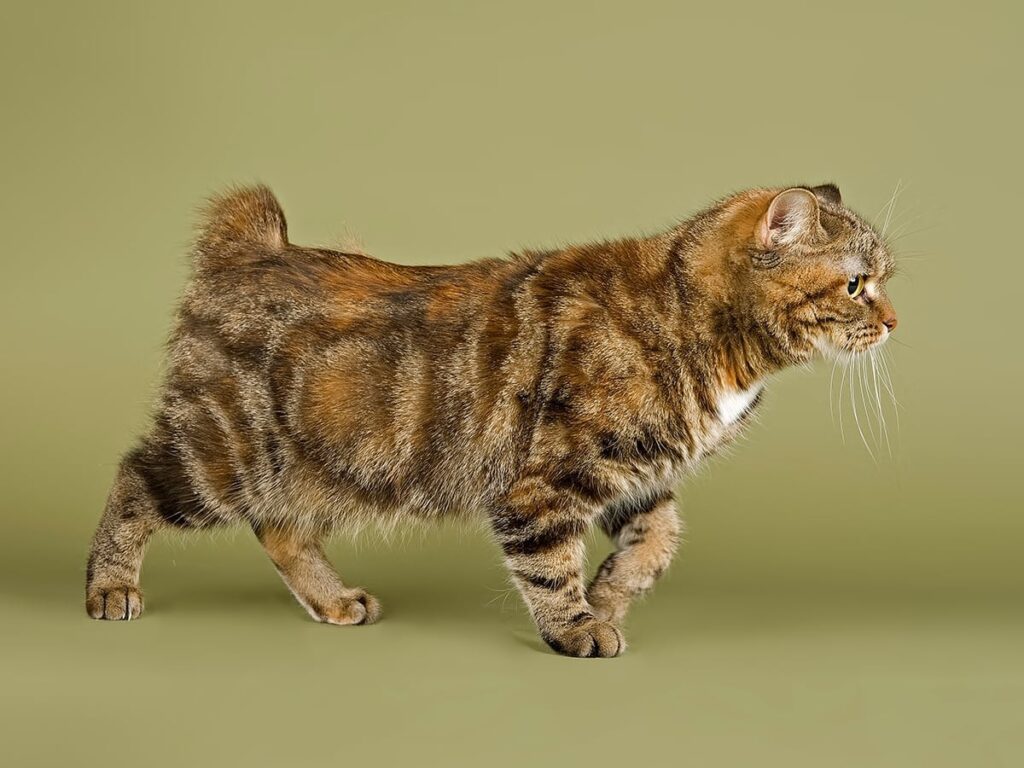
In this article, we will delve into the fascinating world of the Manx cat, exploring its unique characteristics, grooming needs, history, price, and all you need to know about this rare and captivating breed.
What is the Manx Cat?
The Manx cat, also known as the Island Cat of Mann, is a domestic cat breed that originated on the Isle of Man. This remarkable feline is easily recognizable by its distinctive feature – it doesn’t have a tail. Despite this, the Manx cat has proven to be an exceptional hunter, with rapid movements and lethal precision.
Characteristics of the Manx Cat
While being a skilled predator, the Manx cat is also known for its affectionate and playful nature. Its quirky personality makes it seem more like a canine than a typical feline. The breed’s unique characteristics include:
- Agility: With no tail to weigh them down, Manx cats are incredibly agile and nimble.
- Playfulness: They love to play and engage in activities such as chasing toys or climbing.
- Affectionate nature: Despite their independent streak, Manx cats adore human interaction and will often seek out attention.
Types of Manx Cats
There are several variations of the Manx breed, including:
- Longy: These cats have a normal-length tail, but they can be prone to back problems due to their genetic makeup.
- Rumpy: This type has no visible tail, and some individuals may have a small stump or “stump” at the base of their spine.
- Rumpy Riser: A rare variation with one or two missing vertebrae in the lumbar region, causing an upward curve in the back.
Grooming Needs
Manx cats require regular grooming to prevent matting and tangling of their fur. They also need their nails trimmed regularly to prevent overgrowth. Additionally, their unique physiology can lead to health issues such as:
- Hip dysplasia: A genetic condition that affects the hip joint.
- Spinal problems: Due to their missing or stunted tail vertebrae.
History and Origins
The Manx breed originated on the Isle of Man, where they were first recognized in 1901. The first club dedicated to this breed was formed by British cat fanciers. Due to their unique genetic makeup, breeding Manx cats can be challenging, and many individuals may not survive infancy due to complications.
Price and Availability
Manx cats are considered rare and expensive, with prices ranging from £600 to over £1,000 (approximately $800-$1,300 USD). They are also difficult to find, as breeders must carefully select and breed individuals with the desired traits.
Conclusion
The Manx cat is a unique and fascinating breed, known for its agility, playfulness, and affectionate nature. While they can be challenging to care for due to their grooming needs and potential health issues, many cat enthusiasts are drawn to their quirky charm and lovable personalities.
Frequently Asked Questions (FAQs)
- What is the main reason why Manx cats have no tail?
- The breed’s genetic makeup, which has led to a mutation that eliminates the development of a tail.
- How do I care for my Manx cat’s coat?
- Regular grooming with a soft-bristled brush or comb, as well as nail trimming and ear cleaning, can help prevent matting and tangling.
- What health issues are common in Manx cats?
- Hip dysplasia, spinal problems, and potential complications during breeding due to their unique genetic makeup.
- Can I have a Manx cat as a pet?
- While they can make wonderful pets for experienced cat owners, it’s essential to consider the breed’s specific needs and challenges before deciding to bring one home.
- How much do Manx cats cost?
- Prices range from £600 to over £1,000 (approximately $800-$1,300 USD), depending on factors such as bloodline, breeder reputation, and health clearances.
- Are Manx cats rare?
- Due to their unique genetic makeup and challenging breeding process, Manx cats are considered a rare breed compared to other domestic cat breeds.
- What is the average lifespan of a Manx cat?
- While individual lifespans can vary, Manx cats typically live between 12-17 years on average, provided they receive proper care and attention.
- Can I get a Manx cat as a show cat or for breeding purposes?
- Due to their rarity and unique characteristics, Manx cats are often in high demand for showing and breeding, but it’s essential to find a reputable breeder who prioritizes the health and well-being of their cats.
By understanding the unique characteristics, grooming needs, history, price, and all you need to know about the Manx cat, potential owners can make an informed decision about bringing one home.


