
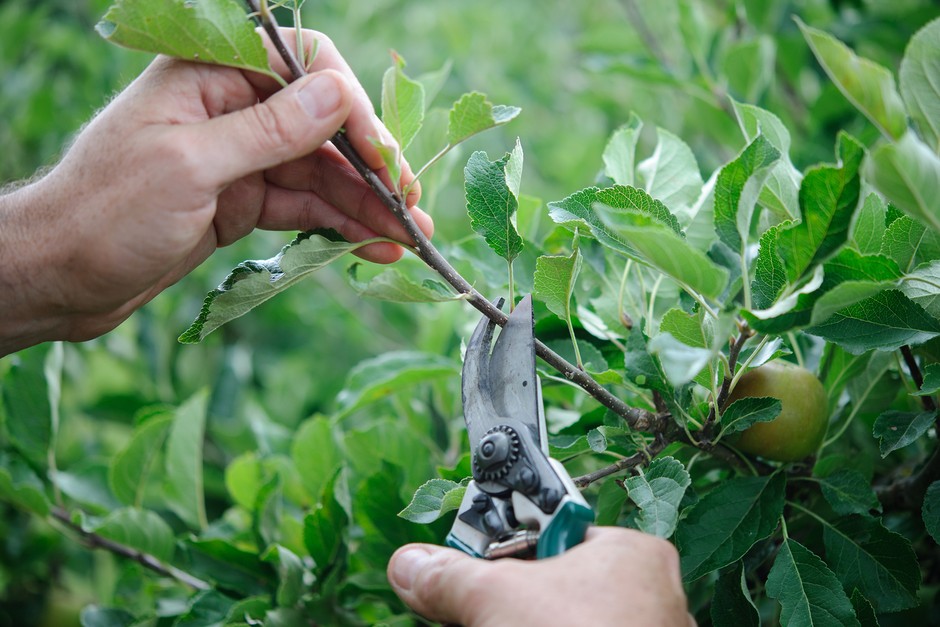
As a gardener or orchardist, you’re likely familiar with the concept of pruning. One specific type of pruning that’s essential for achieving certain aesthetic or production goals is summer pruning. This process involves cutting certain parts of a plant to achieve the desired results.
When to Prune Summer
Summer pruning typically takes place between late June and mid-September, but before you start pruning, it’s crucial to gather the necessary tools and know which plants require intervention. Don’t prune indiscriminately! Choose the right trees carefully, as over-pruning can harm the plant.
For deciduous trees and shrubs, summer is an ideal time for pruning, especially when they are in their dormant phase or have just finished blooming. Pruning during this period helps to:
- Control growth
- Encourage fruiting or flowering
- Improve air circulation
On the other hand, evergreen trees and shrubs can be pruned year-round, but summer is also an excellent time for them. This allows you to maintain their shape, promote healthy growth, and encourage blooming.
Understanding Summer Pruning vs. Autumn/Spring Pruning
Summer pruning is often referred to as “green” pruning, and it differs from autumn or spring pruning. While pruning is essential for maintaining healthy plants, not all pruning operations are created equal!
Autumn pruning typically occurs between September and November and involves:
- Removing dead branches
- Preparing plants for winter dormancy
Spring pruning usually takes place between March and May and focuses on:
- Encouraging new growth
- Promoting blooming
- Shaping the plant
Choosing the Right Tools for Summer Pruning
To ensure a successful pruning experience, you’ll need to have the right tools. Here are some tips for selecting and using them effectively:
- Wear protective gloves: Specifically designed for pruning, these gloves will protect your hands from thorns, sap, and other debris.
- Use high-quality pruning tools: Invest in sharp scissors or loppers that can handle thick branches with ease.
- Sterilize your tools: Between cuts, disinfect your tools to prevent the spread of diseases.
Additional tips:
- Have a plan for disposing of pruned materials (e.g., small branches and leaves)
- Consider the tree’s species and its specific pruning requirements
Summer Pruning for Fruit Trees
Pruning is essential for maintaining healthy fruit trees. Here are some key considerations:
- Remove dead, diseased, or damaged wood: Cut back any branches that are no longer producing fruit or are showing signs of disease.
- Thin the tree: Remove select branches to allow sunlight and air to reach the remaining foliage
- Promote fruiting: By cutting back the top growth, you can encourage the tree to produce more fruit
Pruning techniques for fruit trees include:
- Thin-ning: Removing select branches to improve air circulation and reduce disease susceptibility
- Reducing height: Cutting back the top growth of the tree to control its size and promote fruiting
- Shaping: Pruning to maintain the desired shape or form of the tree
Summer Pruning for Citrus Trees
When it comes to citrus trees, summer pruning is essential for maintaining their health and promoting fruit production. Here are some key considerations:
- Remove any dead or damaged branches: Cut back any branches that are no longer producing fruit or are showing signs of disease.
- Thin the tree: Remove select branches to allow sunlight and air to reach the remaining foliage
- Prune for air circulation: Regular pruning can help prevent fungal diseases by improving air circulation around the tree
Summer Pruning Techniques
Here are some common summer pruning techniques:
- Cutting out cross-pollinating branches: Remove select branches that may be competing with fruiting branches
- Pruning for canopy maintenance: Regular pruning can help maintain the desired shape of your trees and shrubs.
- Removing suckers: Cut back any shoots growing from the base of the tree
When to Prune Summer Pruned Trees
After pruning, it’s essential to know when to prune again:
- For deciduous trees: Prune in late winter or early spring before new growth begins
- For evergreen trees: Prune year-round, but avoid pruning during the active growing season
Common Mistakes to Avoid
When performing summer pruning, it’s essential to be aware of common mistakes:
- Over-pruning: Don’t remove too much foliage or wood at once
- Late spring pruning: Prune too late in the season and prevent new growth from forming
- Incorrect tools: Use the right tools for the job, but also maintain them properly
Tips and Tricks
Here are some additional tips to help you become a pro when it comes to summer pruning:
- Consider hiring a professional arborist or tree care service if you’re unsure about pruning your specific plant
- Don’t prune during extreme weather conditions (e.g., intense heat, cold snaps)
- Practice good sanitation and hygiene techniques while pruning


