
As a prospective parent, understanding your reproductive health is crucial for increasing the chances of conception. Calculating fertile days is an essential step in this process, and we’ll explore various methods to help you optimize your chances.
Why Calculate Fertile Days?
Calculating fertile days can help you identify the optimal time for conception, allowing you to plan accordingly. A well-timed conception increases the likelihood of a successful pregnancy and reduces the risk of miscarriage. Additionally, understanding your fertility window can help you avoid unwanted pregnancies or improve the chances of achieving multiple births.
Methods for Calculating Fertile Days
There are several methods for calculating fertile days, each with its own level of accuracy. We’ll discuss three common methods: basal body temperature (BBT), ovulation predictor kits (OPKs), and the menstrual cycle method.
1. Basal Body Temperature (BBT) Method
The BBT method involves tracking your body temperature throughout the day to detect subtle changes that occur after ovulation. This method requires a specific type of thermometer, known as a digital or temporal basal thermometer.
How it works:
- Track your temperature daily, ideally first thing in the morning before getting out of bed.
- Look for an increase in temperature, typically 0.3-0.5°F (0.15-0.25°C), which indicates ovulation has occurred.
- If you’re not experiencing a temperature rise, assume you’re not fertile.
- Use a fertility app or spreadsheet to track your temperatures and identify patterns.
Benefits of the BBT Method:
- Highly accurate when used consistently
- Allows for precise timing of intercourse
- Can detect subtle changes in temperature before ovulation
Limitations of the BBT Method:
- Requires consistent daily tracking
- May not be suitable for individuals with irregular periods or temperature fluctuations
- Can be affected by factors such as stress, sleep patterns, and medication
2. Ovulation Predictor Kits (OPKs)
OPKs are simple, easy-to-use tests that detect the presence of luteinizing hormone (LH) in your urine, which surges just before ovulation.
How it works:
- Use an OPK test to check for LH levels in your urine.
- If you see two pink lines or a line with a pink center, you’re likely fertile. If you only see one line, you’re not fertile.
- OPKs typically detect LH 24-48 hours before ovulation.
Benefits of the OPK Method:
- Easy to use and accessible
- Fast results (usually within minutes)
- Can be used in conjunction with other methods for added accuracy
Limitations of the OPK Method:
- May not detect all LH surges, especially if you’re taking certain medications or experiencing hormonal fluctuations.
- Results can be affected by factors such as stress, hydration levels, and food intake.
3. Menstrual Cycle Method
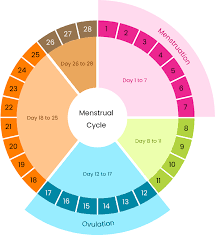
The menstrual cycle method involves tracking your menstrual cycle to identify the fertile window.
How it works:
- Count the days between your last period and ovulation (usually around day 14 of a 28-day cycle).
- Identify the fertile window, which is typically 5-7 days leading up to ovulation and 24 hours after ovulation.
- Plan your intercourse during this time for maximum conception chances.
Benefits of the Menstrual Cycle Method:
- Simple and straightforward
- Can be used by individuals with irregular periods or temperature fluctuations
- Can provide a general idea of fertility without requiring additional tracking
Limitations of the Menstrual Cycle Method:
- Less accurate than other methods, as individual cycles can vary greatly.
- May not account for factors such as hormonal fluctuations or ovulation timing.
Choosing the Right Method
While all three methods can be effective, it’s essential to consider your individual needs and preferences. Some people may find that using a combination of methods provides the most accurate results. For example, using an OPK test in conjunction with BBT tracking can provide more precise information about fertility.
Tips for Optimizing Fertility
In addition to calculating fertile days, there are several lifestyle factors you can control to improve your fertility:
- Maintain a healthy weight: Being overweight or underweight can negatively impact fertility.
- Exercise regularly: Regular physical activity can help regulate hormones and improve fertility.
- Eat a balanced diet rich in essential nutrients: A well-balanced diet that includes foods high in antioxidants, omega-3 fatty acids, and other essential nutrients can support reproductive health.
- Reduce stress: High levels of stress can negatively impact fertility by suppressing the immune system and disrupting hormone production.
Frequently Asked Questions (FAQs)
- Q: How often should I track my basal body temperature to accurately detect ovulation?
A: It’s recommended to track your BBT temperature at the same time every day for 2-3 weeks before starting a new cycle. - Q: Can OPKs be used during menstruation?
A: No, it’s best to use OPKs when you’re no longer experiencing menstrual bleeding. - Q: How accurate is the menstrual cycle method?
A: The menstrual cycle method can be less accurate than other methods due to variations in individual cycles. - Q: Can I still get pregnant if I don’t use a fertility-tracking method?
A: Yes, it’s possible to get pregnant without using any fertility-tracking methods.
Conclusion
Calculating fertile days is an essential step in boosting your conception chances. By understanding the different methods available and incorporating lifestyle factors into your daily life, you can increase your chances of achieving a successful pregnancy. Remember to choose the method that best suits your needs and preferences, and don’t hesitate to consult with a healthcare professional if you have any questions or concerns about fertility.
Additional Resources
- National Institute of Child Health and Human Development (NICHD): Provides information on fertility testing and treatments.
- American Society for Reproductive Medicine (ASRM): Offers guidance on fertility tracking methods and lifestyle factors that support reproductive health.
- Fertility apps: Utilize mobile apps such as Clue, Flo, or Glow to track your menstrual cycle and fertility window.
Final Thoughts
Calculating fertile days is just the first step in achieving a successful pregnancy. By incorporating healthy lifestyle habits, using fertility-tracking methods, and being patient, you can increase your chances of conception and build a strong foundation for a happy family.


