
Welcoming a new dog into your family can be an exciting experience, but it’s essential to understand the process of pregnancy in dogs. From conception to birth, dog gestation is a complex and fascinating journey that requires attention, care, and patience from owners. In this article, we’ll delve into the world of dog pregnancy, covering its stages, symptoms, and what to expect during each phase.
The Heat Cycle: When Can Dogs Get Pregnant?
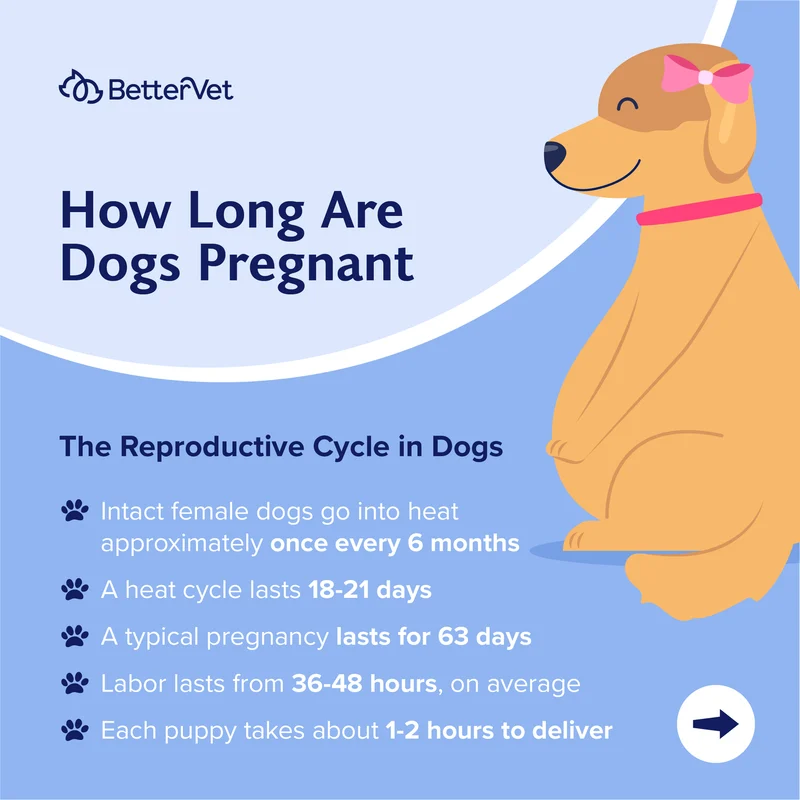
Before we dive into the details of dog gestation, let’s discuss the heat cycle, also known as estrus. This is the period when a female dog is fertile and can become pregnant. The heat cycle typically occurs every 6-8 months in most breeds, although this frequency can vary depending on factors like age, size, and breed.
During the heat cycle, a dog’s body produces estrogen, causing physical changes such as swelling of the vulva, discharge, and increased libido. If a dog is not spayed or neutered, she may become pregnant during this time. However, with proper planning and attention to detail, owners can minimize the risk of unwanted pregnancies.
When Can You Expect Pregnancy?
The length of gestation in dogs varies depending on breed and size. On average, a dog’s pregnancy lasts around 58-63 days. However, larger breeds may experience longer pregnancies, while smaller breeds may have shorter ones. Understanding when to expect pregnancy is crucial for owners who want to prepare for the arrival of their new furry friend.
Signs of Pregnancy in Dogs
While some signs of pregnancy are more obvious than others, it’s essential to recognize them early on. Some common indicators include:
- Weight gain: As the puppy grows inside, the mother’s abdomen will expand.
- Mammary gland development: The mammary glands will become swollen and tender.
- Increased appetite: Pregnant dogs often experience increased hunger and cravings for certain foods.
- Behavioral changes: Some owners report changes in their dog’s behavior, such as restlessness or irritability.
The Final Stretch: Preparation for Birth
As the due date approaches, it’s time to prepare for the arrival of your new puppy. Here are some essential steps to take:
- Create a safe space: Designate a quiet, comfortable area where your dog can give birth and care for her puppies.
- Stock up on supplies: Gather essentials like blankets, towels, and a thermometer.
- Plan for veterinary care: Schedule a post-birth check-up with your veterinarian to ensure everything is normal.
The Big Day: Bringing Your Puppies Home
When the time arrives, bring your puppies home and enjoy this special moment. Here are some tips to make the transition smoother:
- Keep the puppies warm: Use blankets or towels to keep the puppies cozy.
- Provide a safe environment: Ensure the area is clean, quiet, and free from distractions.
- Monitor their health: Keep an eye on your puppies’ temperature, behavior, and overall well-being.
Q&A: Common Questions About Dog Pregnancy
Here are some frequently asked questions about dog pregnancy:
- How long does a dog’s heat cycle last?
- The length of the heat cycle varies depending on breed and size, but it typically lasts around 7-10 days.
- Can dogs become pregnant during their first heat cycle?
- Yes, some dogs can become pregnant during their first heat cycle if they don’t receive spay or neuter surgery.
- How often should I feed my pregnant dog?
- Feed your pregnant dog according to her normal diet and caloric needs, but avoid overfeeding to prevent obesity.
- What are the most common health complications in dogs during pregnancy?
- Common health issues include gestational diabetes, hypertension, and C-sections.
The Benefits of Dog Pregnancy
While every experience with dog pregnancy is unique, many owners report numerous benefits for their furry friends. Some of these advantages include:
- Reduced stress: The bonding process between a mother and her puppies can be incredibly therapeutic for both parties.
- Improved health: Regular exercise during pregnancy can help maintain your dog’s overall health and reduce the risk of complications.
- Increased socialization: Puppies are naturally social creatures, and their presence in the home can foster greater connection with family members.
Conclusion
Dog pregnancy is a complex and rewarding experience that requires careful planning and attention to detail. By understanding the intricacies of dog gestation, owners can better prepare for the arrival of their new furry friend and provide the best possible care. Whether you’re an experienced owner or just starting out, embracing the joys and challenges of dog pregnancy will create lifelong memories with your loyal companion.
Additional Tips for Dog Pregnancy
Here are some additional tips to help you navigate the process of dog pregnancy:
- Monitor your dog’s behavior: Keep an eye on your dog’s overall health and well-being during pregnancy.
- Stay hydrated: Ensure your pregnant dog has access to plenty of fresh water throughout her gestation period.
- Avoid overexertion: Prolonged exercise can increase the risk of complications, so it’s best to limit physical activity during this time.
Final Thoughts
Dog pregnancy is a unique and valuable experience that requires patience, love, and care. By understanding the intricacies of dog gestation and following these tips, you’ll be better equipped to provide the best possible care for your furry friend. Whether you’re expecting a new addition or simply want to learn more about this exciting process, we hope this guide has been informative and helpful.
Glossary
Here’s a list of terms used in this article:
- Estrus: The heat cycle when a female dog is fertile.
- Heat cycle: A period of fertility for female dogs, typically lasting 6-8 months.
- Pregnancy: The state of being pregnant with puppies.
- Gestation: The time it takes for a puppy to develop inside the uterus.
Resources
Here are some additional resources for learning more about dog pregnancy:
- National Canine Foundation
- American Kennel Club
- PetMD
By expanding our knowledge and understanding of dog pregnancy, we can provide better care for these incredible animals.



