
Are you tired of feeling like your headaches are a mystery, always popping up at the worst possible times? Do you wish there was a way to understand what triggers them and how to prevent them from happening in the first place? If so, you’re not alone. Millions of people around the world suffer from migraines, but there’s a simple yet powerful tool that can help: the headache diary.
What is a Headache Diary?
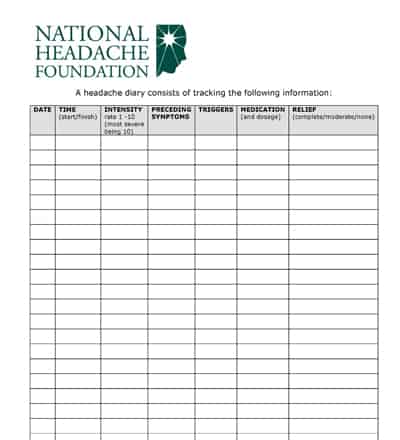
A headache diary is a personal record-keeping system used to track and monitor migraine symptoms, including the frequency, severity, and triggers of attacks. By keeping a daily log of your headaches, you can identify patterns and correlations between different factors such as stress, sleep, diet, and environmental changes.
Why is it so useful?
Keeping a headache diary can be incredibly helpful in several ways:
- Identifying triggers: By tracking the events leading up to an attack, you may discover specific triggers that can help you avoid or mitigate future episodes.
- Understanding patterns: A headache diary helps you recognize recurring patterns and correlations between different factors, allowing you to make informed decisions about your lifestyle and habits.
- Improving diagnosis: By providing detailed information about your headaches, a diary can aid in diagnosing the underlying causes of your migraines.
- Developing prevention strategies: With a clear understanding of what triggers your headaches, you can work with your healthcare provider to develop personalized prevention plans.
The Benefits of Using a Headache Diary
Using a headache diary has numerous benefits, including:
- Reduced frequency and severity: By identifying and addressing triggers, you may experience fewer and less severe migraine attacks.
- Improved overall well-being: A headache diary can help you better manage stress, sleep, and other factors that contribute to migraines.
- Enhanced quality of life: With a deeper understanding of your headaches, you’ll be empowered to make informed decisions about your health and lifestyle.
Technology-Mediated Headache Diaries
While traditional paper-based diaries are still effective, technology-mediated options offer added convenience and accessibility. Apps such as “I Mal di Testa” allow users to track their symptoms digitally, providing real-time insights into their migraines.
Tips for Keeping a Successful Headache Diary
To maximize the benefits of your headache diary:
- Be consistent: Make it a habit to record your headaches daily, even if you don’t have an attack.
- Be thorough: Include as much detail as possible about each entry, including dates, times, symptoms, and potential triggers.
- Share with your healthcare provider: Regularly update your diary and share the information with your doctor or other relevant healthcare professionals.
Best Practices for Recording Headaches
To ensure that your headache diary is accurate and effective:
- Use a standardized format: Use a consistent template to record each entry, including dates, times, symptoms, and potential triggers.
- Be specific about symptoms: Try to describe your symptoms in detail, including any visual or sensory components.
- Include relevant context: Note any factors that may have contributed to the attack, such as stress, sleep patterns, or environmental changes.
Understanding Common Migraine Triggers
Identifying and addressing common migraine triggers can help reduce the frequency and severity of attacks. Some common triggers include:
- Hormonal fluctuations: Hormonal changes during menstruation, pregnancy, or menopause can trigger migraines.
- Food and drink: Certain foods, such as gluten, dairy, or citrus fruits, can trigger migraines in some individuals.
- Stress and anxiety: High levels of stress and anxiety can trigger migraines in people who are prone to them.
- Sleep patterns: Irregular sleep patterns, including insomnia or sleep apnea, can contribute to migraines.
Developing a Prevention Plan
With a clear understanding of your migraine triggers, you can work with your healthcare provider to develop a personalized prevention plan. This may involve:
- Lifestyle changes: Making lifestyle changes, such as improving sleep habits, reducing stress, or increasing physical activity.
- Medications and treatments: Using medications or treatments, such as triptans or preventative medications, to reduce the frequency and severity of attacks.
- Alternative therapies: Exploring alternative therapies, such as acupuncture or massage, to help manage stress and alleviate symptoms.
Conclusion
A headache diary is a powerful tool for managing migraines. By tracking your symptoms, identifying patterns, and understanding triggers, you can take control of your health and reduce the frequency and severity of your attacks. Don’t let migraines hold you back – start keeping a headache diary today and discover the benefits of personalized management.
Frequently Asked Questions
- What is the best way to keep a headache diary?
- Using a dedicated app or digital platform can be convenient and accessible.
- How often should I record my headaches in my diary?
- Aim to update your diary daily, even if you don’t have an attack.
- What information should I include in my headache diary?
- Include dates, times, symptoms, potential triggers, and any medications or treatments used.
- Can I use a paper-based headache diary with technology-mediated tools?
- Yes, combining traditional methods with digital tools can enhance the effectiveness of your headache diary.
- How will my healthcare provider use my headache diary?
- Your doctor may review your diary to identify patterns and triggers, develop personalized prevention plans, and monitor progress.
By keeping a headache diary, you’ll be taking the first step towards better understanding and managing your migraines.


