
Introduction
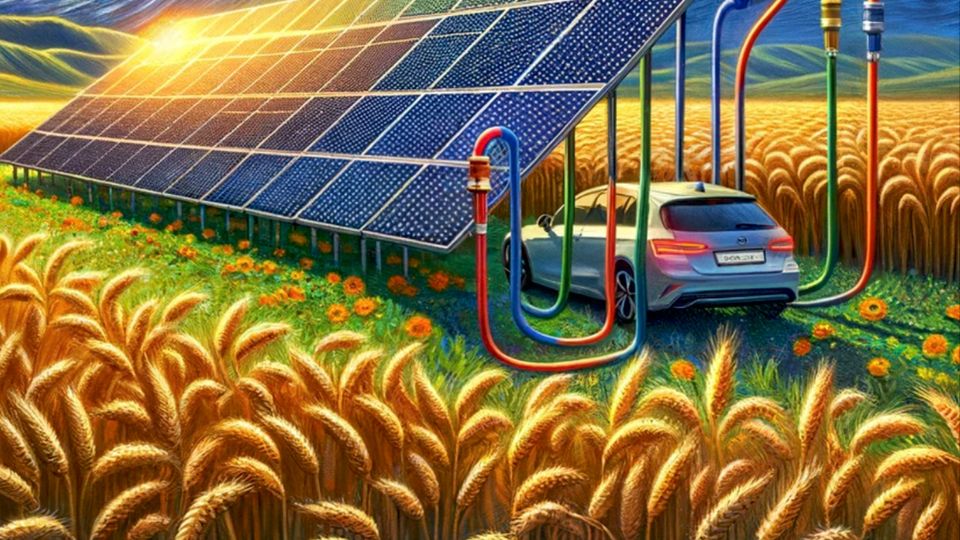
The process of photo production, which involves producing hydrogen through solar energy, is a rapidly advancing field in the realm of advanced solar technology. This innovative technology has great potential as it can serve as an energy storage system for intermittent solar power (a key limitation of solar energy). In this article, we will delve into the world of photo production and explore its history, current research, and future applications.
What is Photo Production?
Photo production involves converting sunlight into chemical energy through a process known as water splitting. This process occurs in two stages: light absorption and electron transfer. The resulting hydrogen can be used as a clean and sustainable source of energy.
The photo production process typically begins with the absorption of light by a semiconductor material, such as silicon or tungsten oxide. This absorption leads to the excitation of electrons, which are then transferred to a catalyst, where they react with water molecules to produce hydrogen gas.
Research at the Centre for Non-Conventional Energies – ENI Donegani Institute
At the Centre for Non-Conventional Energies – ENI Donegani Institute in Novara, Italy, researchers have been working on developing new materials for photo production. These materials include nanostructured biosides like titanium dioxide nanotubes and tungsten oxide-iron compounds.
The centre’s research team has made significant progress in understanding the chemistry behind water splitting and has developed new catalysts to improve efficiency and reduce costs. The process of converting sunlight into chemical energy has been patented and is being explored further.
The Centre’s Research Focus
The Centre for Non-Conventional Energies – ENI Donegani Institute has a long history of innovation, dating back over 70 years. As one of the leading industrial research centers in Europe, it has made significant contributions to various fields of chemistry, including catalysis, polymerization, and fine chemistry.
The centre’s researchers have expertise in areas such as molecular modeling, organic and inorganic synthesis, and catalytic processes. This expertise is being applied to the development of new materials and processes for photo production.
The ‘Along with Petroleum’ Project
In 2007, ENI launched the ‘Along with Petroleum’ project, aimed at developing breakthrough technologies for using solar energy and biomass. These renewable sources are considered promising for sustainable use, both environmentally and economically, on a large scale.
The project brings together industry experts, researchers, and policymakers to identify opportunities for innovation and collaboration in the field of renewable energy. The centre’s research team is working closely with ENI to develop new materials and processes for photo production that can help to reduce costs and improve efficiency.
Objectives of Solar Energy Research
The primary goal of solar energy research is to make the cost of electricity from photovoltaic systems comparable to that of fossil fuels. This can be achieved by developing innovative technologies such as concentrator solar panels, photo production, and organic solar cells.
Concentrator solar panels use mirrors or lenses to focus sunlight onto a smaller area, increasing the amount of energy generated per unit area. Organic solar cells are made from light-sensitive materials that convert sunlight into electricity.
Challenges and Opportunities
Despite the challenges posed by intermittent solar power, researchers are optimistic about the potential of photo production. As a clean and sustainable energy source, hydrogen has the potential to revolutionize industries and transportation systems.
However, further research is needed to improve efficiency, reduce costs, and scale up production. The development of new materials and processes for photo production will be crucial in addressing these challenges and unlocking the full potential of solar energy.
Future Applications
The future applications of photo production are vast and varied. Hydrogen can be used as a clean and sustainable source of energy for industries such as chemical synthesis, steel production, and power generation.
In transportation systems, hydrogen fuel cells offer a promising alternative to traditional fossil fuels. They produce only water and heat as byproducts, making them an attractive option for reducing greenhouse gas emissions.
Conclusion
The future of advanced solar technology lies in the development of innovative materials and processes for photo production. With continued research and investment, we can unlock the full potential of solar energy and create a more sustainable future for generations to come.
Frequently Asked Questions (FAQs)
- What is the main limitation of solar energy?
The main limitation of solar energy is its intermittency. Solar power varies greatly depending on weather conditions, making it challenging to rely solely on this source. - How does photo production work?
Photo production involves converting sunlight into chemical energy through a process known as water splitting. This process occurs in two stages: light absorption and electron transfer. - What are the benefits of hydrogen as an energy source?
Hydrogen is a clean and sustainable energy source with the potential to revolutionize industries and transportation systems. - How can we improve the efficiency of solar panels?
Improving the efficiency of solar panels requires research into new materials and technologies that can increase energy conversion rates. - What role does the Centre for Non-Conventional Energies – ENI Donegani Institute play in photo production research?
The centre is at the forefront of photo production research, developing new materials and processes to improve efficiency and reduce costs. - How can we scale up production of hydrogen for sustainable energy applications?
Scaling up production requires significant investment and research into new technologies and materials that can increase efficiency and reduce costs. - What are the current challenges facing solar energy research?
The main challenge facing solar energy research is overcoming intermittency, which can make it difficult to rely solely on this source of energy. - How does the ‘Along with Petroleum’ project contribute to sustainable energy applications?
The project aims to develop breakthrough technologies for using solar energy and biomass, promoting a more sustainable future for industries and transportation systems.
Additional Resources
For those interested in learning more about photo production and advanced solar technology, there are several additional resources available:
- The International Energy Agency (IEA) publishes regular reports on the development of renewable energy sources, including solar energy.
- The National Renewable Energy Laboratory (NREL) is a leading research institution in the field of solar energy and hydrogen production.
- The European Commission’s Horizon 2020 program provides funding for innovative projects in the field of sustainable energy.
By exploring these resources and staying informed about the latest developments in photo production and advanced solar technology, we can work towards a more sustainable future for generations to come.


