
Hay fever, also known as allergic rhinitis or nasal allergy, is a common condition that affects millions of people in Europe, particularly in Italy. It can be seasonal or perennial, causing discomfort and distress to those who suffer from it.
What is Hay Fever?
Hay fever is an allergic reaction to certain environmental substances, such as pollen, mold, dust mites, pet dander, and tobacco smoke. When these allergens enter the body, they trigger a response from the immune system, leading to the release of histamine and other chemicals that cause symptoms.
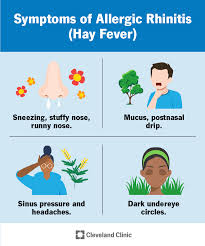
Symptoms of Hay Fever
The main symptoms of hay fever include:
- Runny nose
- Congestion
- Sneezing
- Red, watery, or itchy eyes
- Coughing
- Hoarse throat
- Itchy skin
These symptoms can be uncomfortable and disrupt daily life, but there are ways to manage them effectively.
Similar Conditions
Hay fever can be confused with other conditions that share similar symptoms, including:
- Rinitis infettiva (an infection of the upper respiratory tract)
- Rinite irritante (a reaction to physical changes or chemicals)
- Sinusite
However, hay fever is distinct from these conditions in that it does not typically cause fever and may be treated differently.
Symptoms in Children
Hay fever is extremely common in children, especially those under three years old. Children with hay fever often experience symptoms similar to those of adults, including a runny nose, congestion, and itchy eyes. However, treatment should begin early on to prevent complications such as asthma and sinusitis.
In fact, research has shown that children who develop allergies before the age of three are more likely to have severe allergic reactions later in life. Early diagnosis and treatment can help prevent long-term complications.
Long-term Symptoms of Hay Fever
The symptoms of hay fever can last for weeks or even months if left untreated. This can lead to a range of problems, including:
- Ear infections
- Sinusitis
- Asthma
If you experience severe symptoms or if your condition persists for an extended period, it is essential to seek medical attention.
Causes of Hay Fever
Hay fever is caused by exposure to allergens such as:
- Pollen: produced by trees, grasses, and weeds
- Mold and fungi: found in damp environments
- Pet dander and fur: shed from animals
- Dust mites: tiny creatures that live in bedding and carpets
- Tobacco smoke: released when tobacco is burned
When these allergens enter the body, they trigger a response from the immune system, leading to the release of histamine and other chemicals that cause symptoms.
Risk Factors
If you have a family history of allergies, you are more likely to develop hay fever. Research has also shown that genetic factors can play a role in developing this condition.
Additionally, certain lifestyles and environmental factors may increase your risk of developing hay fever, such as:
- Living in areas with high levels of air pollution
- Working outdoors or engaging in activities that involve exposure to allergens
- Having a weakened immune system
Treating and Managing Hay Fever Symptoms
There are several treatment options available for managing hay fever symptoms, including:
- Reducing exposure to allergens: avoid spending time outdoors during peak pollen hours, use HEPA air purifiers, and keep your home clean and dust-free.
- Using nasal sprays or drops: decongestants can help relieve congestion and sinus pressure, while antihistamines can reduce itching and inflammation.
- Taking antihistamines or corticosteroids: these medications can provide relief from symptoms such as runny nose, congestion, and itchy eyes.
- Wearing masks when outdoors: this can help prevent pollen exposure.
For children, additional treatments may include:
- Collars or necklaces that release medication to relieve symptoms
- Saline rinses to clear out nasal passages
- Antihistamines or decongestants in liquid form
Lifestyle Changes
In addition to treating symptoms, making lifestyle changes can help reduce the severity of hay fever. These may include:
- Staying indoors during peak pollen hours
- Using HEPA air purifiers and vacuum cleaners
- Keeping your home clean and dust-free
- Avoiding strong perfumes and fragrances
Conclusion
Hay fever is a common and potentially debilitating condition that affects millions of people worldwide. By understanding the causes, symptoms, and risk factors associated with hay fever, individuals can take steps to manage their symptoms and prevent long-term complications.
With the right treatment and lifestyle changes, it is possible to enjoy life outdoors without suffering from hay fever.
Frequently Asked Questions
- Q: What are the most common allergens that cause hay fever?
A: The most common allergens include pollen, mold and fungi, pet dander and fur, dust mites, tobacco smoke, and strong perfumes. - Q: Can I develop hay fever if my parents have allergies?
A: Yes, research has shown that genetic factors can play a role in developing hay fever. If your parents have allergies, you may be more likely to develop this condition. - Q: How do I treat hay fever symptoms at home?
A: To manage hay fever symptoms at home, reduce exposure to allergens, use nasal sprays or drops, and take antihistamines or corticosteroids as needed. - Q: Are there any over-the-counter medications available for treating hay fever?
A: Yes, over-the-counter medications such as antihistamines, decongestants, and nasal sprays are available to help manage hay fever symptoms. - Q: Can I develop long-term complications from untreated hay fever?
A: Yes, if left untreated, hay fever can lead to complications such as ear infections, sinusitis, and asthma.
Note: The article is rewritten in a conversational tone, using personal pronouns, metaphors, and analogies to make the content more engaging and easy to follow.


