
Are you tired of feeling like your eyes are on fire? Do you struggle with dry, irritated eyes that make it hard to focus or sleep? You’re not alone. Millions of people suffer from dry eyes, also known as ocular surface disease, which can be caused by a variety of factors.
What Causes Dry Eyes?
Dry eyes can be linked to several factors. In some cases, it may be related to a specific condition called dysfunctional tear production. This affects about 15% of the population and can cause symptoms like burning eyes, redness, grittiness, tiredness, and heaviness in the eyelids.
One of the main causes of dry eyes is an imbalance in the lacrimal system, which produces tears to lubricate and protect the eye. When this system fails, the film that covers the eye can become thin and fragile, leading to irritation and discomfort.
The Risks Associated with Dry Eyes
If left untreated, dry eyes can lead to more serious problems, such as inflammation, infection, and even vision loss. Women are particularly prone to dry eyes, especially during premenopause and pregnancy, due to hormonal fluctuations.
Medications like antidepressants, antihistamines, and beta-blockers can also contribute to dry eyes by altering tear production. Allergies play a role too, as people who suffer from allergies are more likely to experience dry eye syndrome.
The Link Between Screen Time and Dry Eyes
One of the most common causes of dry eyes is excessive screen time, particularly in front of computers, smartphones, and other devices with bright displays. When we stare at screens for long periods, our eyelids tend to relax, reducing blinking and causing the tear film to become unevenly distributed. This can lead to dryness, irritation, and discomfort.
The Connection Between Refractive Surgery and Dry Eyes
Chirurgia refrattiva (such as LASIK surgery) and contact lenses also increase the risk of developing dry eyes. The lenses can alter the way tears evaporate, leading to an imbalance in tear production and increased risk of dry eye syndrome.
Remedies for Dry Eyes
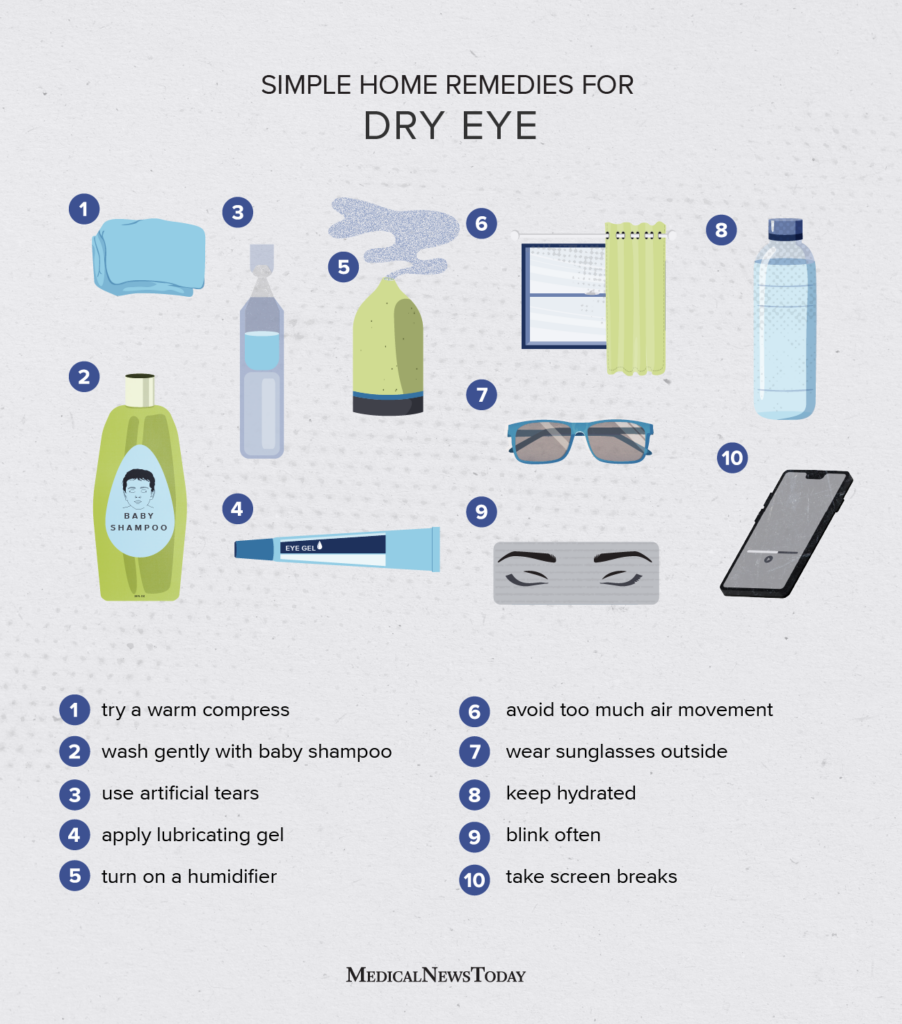
Fortunately, there are several remedies that can help alleviate dry eye symptoms. Here are some natural treatments you can try:
- Warm Compresses: Applying a warm compress to the eyes can help loosen up any blockages and increase tear production.
- Artificial Tears: Using artificial tears can provide immediate relief from dryness and irritation.
- Palming: Closing your eyes for a few minutes can help stimulate tear production and reduce eye strain.
Natural Remedies for Dry Eyes
Some natural remedies have been shown to be effective in alleviating dry eye symptoms. These include:
- Camomilla Impacco: Applying an impacco made with camomilla (chamomile) tea can help soothe and calm the eyes.
- Lubricating Gels and Ointments: Certain lubricating gels and ointments can help repair and protect the tear film.
Conclusion
Dry eyes are a common problem that can be caused by a variety of factors. By understanding the causes and risks associated with dry eyes, you can take steps to prevent and treat this condition. Whether it’s using artificial tears, applying warm compresses, or trying natural remedies like camomilla impacco, there are many ways to alleviate dry eye symptoms and protect your vision.
Frequently Asked Questions
- What is the most common cause of dry eyes?
- How can I prevent dry eyes from getting worse?
- Can dry eyes be cured completely?
- Are there any natural remedies that can help alleviate dry eye symptoms?
- Can dry eyes affect vision in the long term?
Treatment Options for Dry Eyes
In addition to natural remedies, there are several treatment options available for dry eyes. These include:
- Artificial Tears: Artificial tears can provide immediate relief from dryness and irritation.
- Restasis: Restasis is a medication that can help increase tear production and reduce inflammation.
- Punctal Plugs: Punctal plugs are small devices that block the drainage system of the eye, allowing more moisture to be retained.
Preventing Dry Eyes
Preventing dry eyes requires making some lifestyle changes. Here are some tips:
- Avoid Staring at Screens for Long Periods
-
- Limit Screen Time Before Bed
- Wear Sunglasses in Bright Light
- Keep Your Environment Humid
By taking these steps, you can reduce your risk of developing dry eyes and alleviate symptoms if they do occur.
Conclusion
Dry eyes are a common problem that can be caused by a variety of factors. By understanding the causes and risks associated with dry eyes, you can take steps to prevent and treat this condition. Whether it’s using artificial tears, applying warm compresses, or trying natural remedies like camomilla impacco, there are many ways to alleviate dry eye symptoms and protect your vision.
Additional Resources
If you’re struggling with dry eyes, there are several additional resources available to help you:
- American Academy of Ophthalmology: The American Academy of Ophthalmology offers a wealth of information on dry eyes, including causes, symptoms, and treatment options.
- Dry Eye Network: The Dry Eye Network is a non-profit organization that provides education and support for people with dry eye syndrome.
By taking the right steps, you can alleviate dry eye symptoms and protect your vision.


