
Fever is a natural defense mechanism that our bodies use to fight off infections. However, when it’s too high or lasts for too long, it can be a cause for concern. The National Institute for Health and Care Excellence (NICE) has released guidelines for parents on when to seek medical attention in case of fever.
Guidelines for Fever in Children
According to NICE, the age range for fever is crucial. For children under 3 months old, it’s recommended to contact a pediatrician if the temperature reaches 38°C (100.4°F). For children between 3 and 6 months, seek medical attention if the temperature exceeds 39°C (102.2°F).
Other factors that may require immediate attention include:
- A high fever with shaking or convulsions
- Difficulty breathing or rapid breathing
- Vomiting or diarrhea
- A headache or stiff neck
When to Worry About a High Fever
While some fevers are harmless, others can be a sign of something more serious. The NICE guidelines suggest that if your child has any of the following symptoms, seek medical attention immediately:
- A temperature above 40°C (104°F)
- A fever that lasts for more than 3 days
- A fever accompanied by other symptoms such as vomiting, diarrhea, or difficulty breathing
Natural Remedies to Help Alleviate Fever
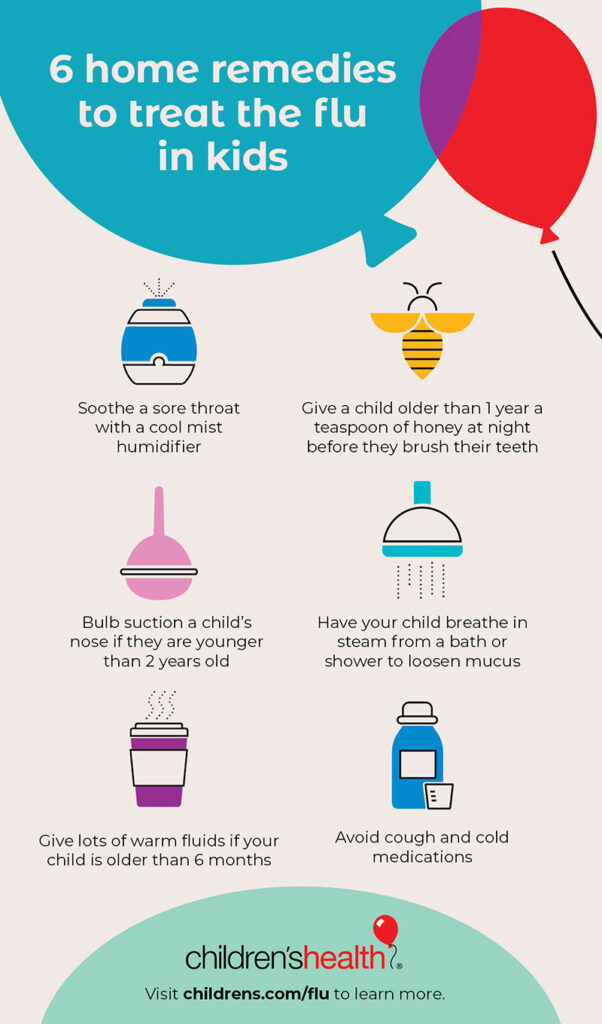
While medication may be necessary in some cases, there are several natural remedies that can help alleviate symptoms of fever. Here are some effective options:
- Drinking plenty of fluids: Encouraging your child to drink plenty of water, broth, or electrolyte-rich drinks can help replace lost fluids and electrolytes.
- Using a cool compress: Applying a cool, wet cloth to your child’s forehead, neck, or wrists can help lower their temperature and provide relief from discomfort.
- Giving acetaminophen or ibuprofen: Over-the-counter pain relievers like acetaminophen (Tylenol) or ibuprofen (Advil) can help reduce fever and alleviate symptoms.
Home Remedies for Fever
In addition to the above remedies, there are several other home remedies that have been shown to be effective in alleviating fever. Here are some of the most popular options:
- Eupatorium perfoliatum: This herb has been used for centuries to treat fevers and is available in various forms, including tincture or tablets.
- Ferrum phosphoricum: This remedy is often used to treat fevers accompanied by symptoms like headaches or earaches.
- Belladonna: This herb is commonly used to treat high fever with shaking or convulsions.
- Gelsemium semprevirens: This plant has been used for centuries to treat states of fever and headache.
The Importance of Hydration
In addition to alleviating symptoms, it’s essential to ensure your child stays hydrated during a fever. Drinking plenty of fluids can help replace lost electrolytes and prevent dehydration, which can worsen the effects of fever.
Fever in Children: Separating Fact from Fiction
While some parents may believe that fever is a sign of a serious illness, this isn’t always the case. In fact, many fevers are harmless and will resolve on their own with proper care and attention.
However, there’s no substitute for medical expertise when it comes to treating fever in children. If your child has a high fever or shows signs of distress, seek medical attention as soon as possible.
Conclusion
Childhood fever can be a concerning experience for parents, but by understanding the causes and symptoms, we can better navigate this common childhood affliction. Whether you’re looking for natural remedies or medical treatment, there are many options available to help alleviate symptoms and ensure your child’s health and well-being.
Frequently Asked Questions
- What is the difference between a high fever and a low-grade fever?
A high fever is typically defined as a temperature above 40°C (104°F), while a low-grade fever may be a temperature of 37-38°C (98.6-100.4°F). - When should I seek medical attention if my child has a fever?
If your child has a high fever, shows signs of distress, or has other symptoms like vomiting or difficulty breathing, seek medical attention immediately. - Can home remedies be effective in treating fever?
Yes, many home remedies have been shown to be effective in alleviating fever symptoms. However, it’s essential to consult with your child’s pediatrician before using any new remedies. - How can I prevent dehydration during a fever?
Drinking plenty of fluids and electrolyte-rich drinks can help replace lost electrolytes and prevent dehydration.
By understanding the causes and symptoms of childhood fever, we can better care for our little ones and ensure their health and well-being.


