
Are you ready to break free from the limitations of traditional flour? Alternative flours offer a world of possibilities for gluten-free baking, and in this article, we’ll explore the many options available. From rice flour to lupini flour, we’ll delve into the benefits, uses, and potential drawbacks of each.
What are Alternative Flours?
Alternative flours are made from various grains, pseudocereals, legumes, and other plant-based ingredients that can be used as substitutes for traditional wheat flour. These flours offer a range of characteristics, including varying protein content, fiber levels, and flavor profiles.
The Benefits of Using Alternative Flours
- Increased Fiber Content: Many alternative flours are rich in fiber, which can help lower cholesterol levels and regulate blood sugar.
- Improved Digestibility: Legume-based flours, such as chickpea flour, can be easier to digest for individuals with gluten intolerance or celiac disease.
- Reduced Glycemic Index: Alternative flours like lupini flour and teff flour have a lower glycemic index, making them suitable for those managing blood sugar levels.
Exploring the Options
Here’s an overview of some popular alternative flours:
- Rice Flour: A staple in many gluten-free diets, rice flour is versatile and can be used as a 1:1 substitute for traditional flour. It’s light in texture and has a neutral flavor, making it an excellent choice for baked goods like cakes, cookies, and pastries.
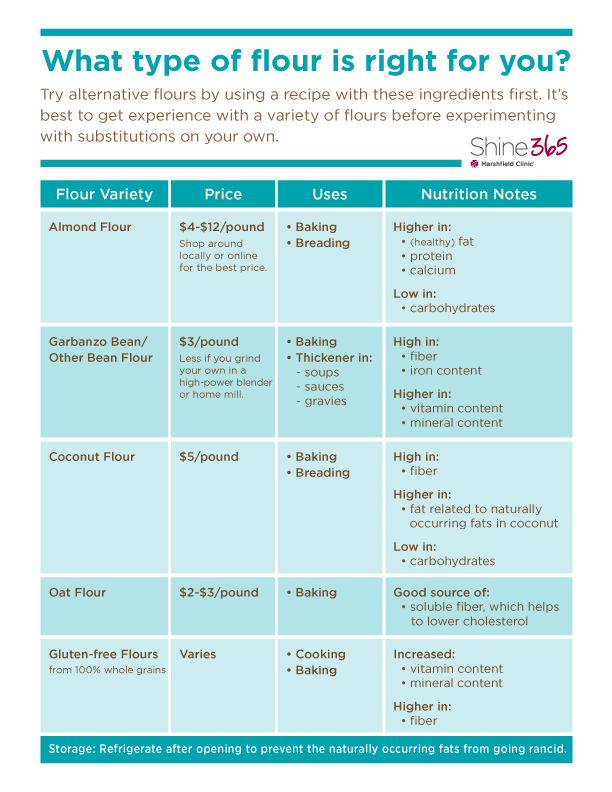
- Chickpea Flour (Gram Flour): High in protein and fiber, chickpea flour is an excellent choice for those looking to reduce their carb intake. It has a nutty flavor and can be used to make gluten-free bread, pizza crusts, and other baked goods.
- Lupini Flour: Made from the lupin bean, this flour is rich in protein and has a distinct nutty flavor. Lupini flour is high in fiber and low in carbohydrates, making it an excellent choice for those with dietary restrictions.
Other Alternative Flours
- Almond Flour: Made from ground almonds, almond flour is high in healthy fats and protein. It’s often used to make gluten-free baked goods like cakes, cookies, and muffins.
- Coconut Flour: High in fiber and protein, coconut flour is a popular choice for gluten-free baking. However, it can be dense and dry, so it’s often blended with other flours to achieve the right texture.
- Potato Starch: Made from dried potatoes, potato starch is a starchy powder that can be used as a thickening agent or texturizer in gluten-free baked goods.
Tips for Using Alternative Flours
- Experiment with Ratios: Different alternative flours have varying protein and fiber content, so it’s essential to experiment with ratios to achieve the right texture and flavor.
- Blending Flours: Blending different alternative flours can help create a more balanced flavor and texture in gluten-free baked goods.
- Adding Eggs: Adding eggs to gluten-free baked goods can help bind ingredients together and improve texture.
Common Challenges When Using Alternative Flours
- Texture Issues: Alternative flours can be dense or dry, so it’s essential to adjust the ratio of flours and add liquid as needed.
- Flavor Profile: Some alternative flours have a strong flavor profile that may not complement traditional flavors.
- Protein Content: Some alternative flours are high in protein, which can affect the texture and structure of gluten-free baked goods.
Conclusion
Alternative flours offer a world of possibilities for gluten-free baking, with each flour offering unique characteristics and benefits. By experimenting with different ratios, blending flours, and adding eggs, you can create delicious and nutritious gluten-free baked goods that everyone will love.


