
Introduction
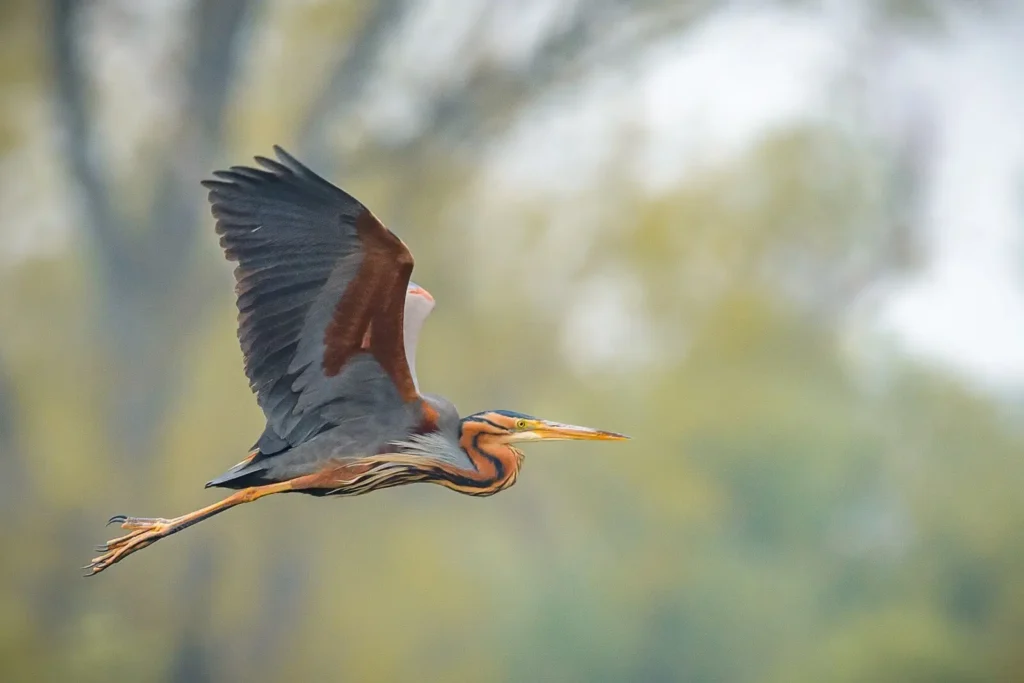
The Red-Headed Crane, also known as Ardea purpurea, is a majestic and fascinating bird species that has captivated the hearts of many. With its striking red head, black crown, and white throat patches, this bird is a sight to behold. In this article, we will delve into the world of the Red-Headed Crane, exploring its habits, habitat, diet, migration patterns, and conservation status.
Habitat and Migration
The Red-Headed Crane is a migratory bird that travels from Europe and North Africa to Asia and Australia each year. It breeds in the northern parts of Europe and western Asia, while spending the winter months in India, Bangladesh, and Southeast Asia. The species is known to form large flocks during migration, often accompanied by other bird species.
The Red-Headed Crane’s habitat includes wetlands, marshes, and grasslands, where it can be found foraging for food and roosting. These habitats provide the necessary conditions for the species to thrive, including abundant water sources, vegetation, and shelter from predators.
The species is listed as Vulnerable on the IUCN Red List due to habitat loss and degradation, which has led to a decline in its population. Human activities such as deforestation, urbanization, and agriculture have resulted in the destruction of natural habitats, making it essential to protect these areas.
Physical Characteristics
The Red-Headed Crane is a large bird, measuring up to 120 cm (47 in) in length, with a wingspan of up to 150 cm (59 in). It weighs between 1.2-1.5 kg (2.6-3.3 lb), with males being slightly larger than females. The species has a distinctive red head, black crown, and white throat patches.
The juvenile Red-Headed Crane has a brown plumage, while the adult bird’s feathers turn reddish-brown in the summer months. The bird’s legs are gray-black, and its bill is yellow.
One of the most striking features of the Red-Headed Crane is its head coloration. During breeding season, the male crane’s head turns bright red, which serves as a visual signal to potential mates. This unique characteristic has led to the species being nicknamed the “Red Knight.”
Diet
The Red-Headed Crane is an omnivorous species, feeding on a wide variety of food sources including:
- Fish
- Crustaceans
- Insects
- Amphibians
- Small mammals
- Fruits and grains
The bird’s diet varies depending on the season, with fish and crustaceans being its primary source of food during the summer months.
In addition to its carnivorous diet, the Red-Headed Crane also feeds on plant material. The species has been observed eating aquatic plants, including algae and water lilies, as well as terrestrial vegetation such as grasses and sedges.
Conservation Status
The Red-Headed Crane is listed as Vulnerable on the IUCN Red List due to habitat loss and degradation. The species’ population has declined significantly over the past few decades, with estimates suggesting that only around 5,000 breeding pairs remain in Europe.
Conservation efforts are underway to protect the species, including the creation of protected areas and the implementation of sustainable agriculture practices. However, more needs to be done to address the ongoing threats facing this magnificent bird.
Some potential conservation strategies include:
- Habitat restoration: Restoring degraded habitats and creating new ones for the species to inhabit.
- Sustainable agriculture practices: Promoting sustainable agricultural practices that minimize habitat destruction and degradation.
- Research and monitoring: Conducting research and monitoring programs to better understand the species’ ecology and behavior, as well as identifying potential threats and developing effective conservation strategies.
Breeding and Nesting
The Red-Headed Crane breeds in large colonies, with pairs forming during the winter months. The female lays 2-5 eggs per breeding season, which are incubated for around 25-30 days. Both parents take turns incubating the eggs and caring for the young.
The chicks fledge at around 10-15 days after hatching, before becoming independent at around three months old. The species is known to be monogamous, with pairs forming during the breeding season.
Interesting Facts
- The Red-Headed Crane is a long-distance migrator, traveling up to 12,000 km (7,500 miles) per year.
- The bird’s distinctive red head is thought to serve as a mating signal, attracting potential mates.
- The species is known for its unique courtship display, which involves the male crane performing an elaborate dance involving bowing and stretching.
- Red-Headed Cranes are skilled swimmers, with some individuals reported to have been seen swimming in bodies of water that are over 100 meters (330 feet) deep.
Frequently Asked Questions
- Q: Where can I find the Red-Headed Crane?
A: The species breeds in northern Europe and western Asia, while spending the winter months in India, Bangladesh, and Southeast Asia. - Q: What does the Red-Headed Crane eat?
A: The bird is an omnivore, feeding on a wide variety of food sources including fish, crustaceans, insects, amphibians, small mammals, fruits, and grains. - Q: How long do Red-Headed Cranes live?
A: The species can live up to 20 years in the wild, although the average lifespan is around 10-15 years. - Q: Are Red-Headed Cranes endangered?
A: Yes, the species is listed as Vulnerable on the IUCN Red List due to habitat loss and degradation, which has led to a decline in its population. - Q: Can I see Red-Headed Cranes in person?
A: Yes, the species can be seen during migration in certain parts of Europe and Asia, although sightings are not guaranteed.
Conclusion
The Red-Headed Crane is an awe-inspiring bird species that has captivated the hearts of many with its striking red head, black crown, and white throat patches. Unfortunately, this magnificent bird faces numerous threats to its survival, including habitat loss and degradation.
It is essential that we take action to protect this species and its habitats, ensuring that future generations can enjoy watching these birds in their natural habitat. By understanding more about the Red-Headed Crane’s behavior, ecology, and conservation status, we can develop effective strategies for protecting this magnificent bird.
Conservation Action Plan
To address the ongoing threats facing the Red-Headed Crane, we recommend the following conservation action plan:
- Habitat restoration: Restore degraded habitats and create new ones for the species to inhabit.
- Sustainable agriculture practices: Promote sustainable agricultural practices that minimize habitat destruction and degradation.
- Research and monitoring: Conduct research and monitoring programs to better understand the species’ ecology and behavior, as well as identifying potential threats and developing effective conservation strategies.
- Community engagement: Engage local communities in conservation efforts, including education and outreach programs to raise awareness about the importance of protecting the Red-Headed Crane.
- Policy development: Develop policies that protect the species and its habitats, including international agreements and national laws.
By working together, we can ensure the long-term survival of this magnificent bird species and preserve its place in our natural world.


