
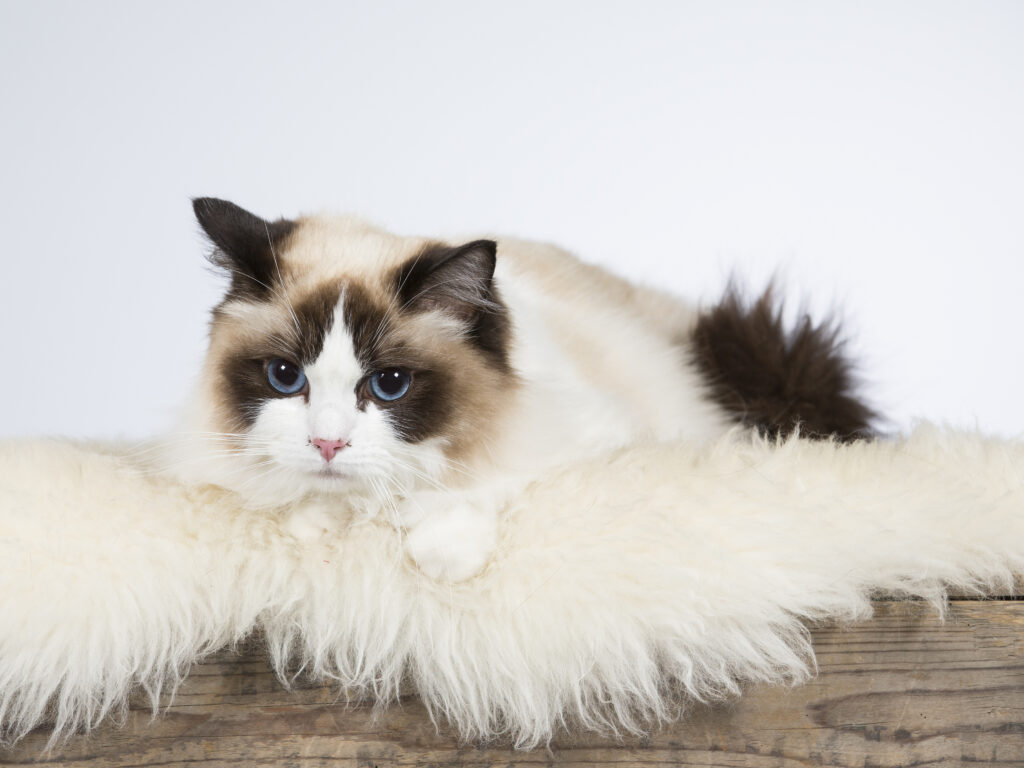
Are you looking for a cat that is known for its affectionate nature and gentle personality? Look no further than the Ragdoll cat. This large and muscular breed has become a favorite among cat enthusiasts due to its unique appearance and loving temperament.
In this article, we will delve into the origins of the Ragdoll cat, its characteristics, care requirements, and price range. Whether you’re a seasoned cat owner or just starting out, this comprehensive guide will provide you with all the information you need to make an informed decision about bringing a Ragdoll cat into your life.
Origins of the Ragdoll Cat
The Ragdoll cat originated in California in the 1960s when breeder Anne Baker crossed a white Angora cat named Josephine with a Birman cat. The resulting kittens were large, muscular, and affectionate, earning them the nickname “Ragdoll” due to their tendency to go limp when picked up.
Baker continued to breed the Ragdolls for over 20 years, selecting only those that exhibited the desired characteristics of calmness, docility, and a soft, silky coat. Her dedication paid off, as the Ragdoll cat quickly gained popularity among cat fanciers.
Characteristics of the Ragdoll Cat
So, what makes the Ragdoll cat so unique? Here are some key characteristics to look for:
- Size: The Ragdoll is a large breed, with males weighing between 12 and 20 pounds (5.4 to 9 kg) and females weighing between 8 and 15 pounds (3.6 to 6.8 kg).
- Coat: The Ragdoll has a soft, silky coat that requires regular grooming to prevent matting.
- Eyes: The Ragdoll’s eyes are large and wide-set, with an intense blue color that seems almost otherworldly.
- Body type: The Ragdoll has a muscular build, with a broad chest and strong legs.
- Personality: The Ragdoll is known for its calm, gentle nature. They make excellent companions for families with children or for people who want a low-maintenance pet.
Care Requirements
To ensure your Ragdoll cat lives a long, healthy life, here are some care requirements to keep in mind:
- Grooming: Regular grooming is essential to prevent matting and tangling of the coat. Brush your Ragdoll at least twice a week, or daily if they have long hair.
- Diet: Feed your Ragdoll high-quality food that is rich in protein and low in carbohydrates. Avoid overfeeding, as this can lead to obesity.
- Exercise: Provide your Ragdoll with plenty of opportunities for exercise, such as playtime with toys or a catio (a secure outdoor enclosure).
- Veterinary care: Schedule regular check-ups with your veterinarian to ensure your Ragdoll stays healthy.
Price Range
The price of a Ragdoll cat can vary depending on several factors, including the breeder’s reputation, bloodline, and location. Here are some general guidelines:
- Pet-quality Ragdolls: These cats are available for purchase at a lower price point (around $1,000 to $2,000).
- Show-quality Ragdolls: These cats are bred specifically for their conformation and can cost significantly more (around $3,000 to $6,000).
- Breeder-quality Ragdolls: These cats are available for purchase from reputable breeders at a higher price point (around $5,000 to $10,000).
Conclusion
The Ragdoll cat is a beautiful, loving breed that makes an excellent companion for many families. With proper care and attention, your Ragdoll can live a long, happy life filled with love and affection.
If you’re considering bringing a Ragdoll into your life, we hope this article has provided you with the information you need to make an informed decision. Good luck finding your perfect feline friend!
Frequently Asked Questions (FAQs)
- Q: What is the average lifespan of a Ragdoll cat?
A: The average lifespan of a Ragdoll cat is around 12-17 years. - Q: How much grooming does a Ragdoll cat require?
A: Ragdolls require regular grooming to prevent matting and tangling of their coat. Brush your Ragdoll at least twice a week, or daily if they have long hair. - Q: What is the recommended diet for a Ragdoll cat?
A: Feed your Ragdoll high-quality food that is rich in protein and low in carbohydrates. Avoid overfeeding, as this can lead to obesity. - Q: How much exercise does a Ragdoll cat need?
A: Provide your Ragdoll with plenty of opportunities for exercise, such as playtime with toys or a catio (a secure outdoor enclosure). - Q: Can I have two Ragdolls as pets?
A: Yes, but it’s recommended to keep them separate at first and introduce them slowly under close supervision. - Q: How often should I take my Ragdoll cat to the vet?
A: Schedule regular check-ups with your veterinarian every 6-12 months for a healthy examination. - Q: Can Ragdolls be left alone for extended periods of time?
A: Yes, but it’s recommended to provide plenty of toys and stimulation to keep them entertained and engaged. - Q: Are Ragdolls prone to any health issues?
A: Yes, Ragdolls are prone to certain health issues such as hypertrophic cardiomyopathy (HCM) and patellar luxation.
By following these tips and guidelines, you can ensure your Ragdoll cat lives a happy, healthy life filled with love and affection.


