
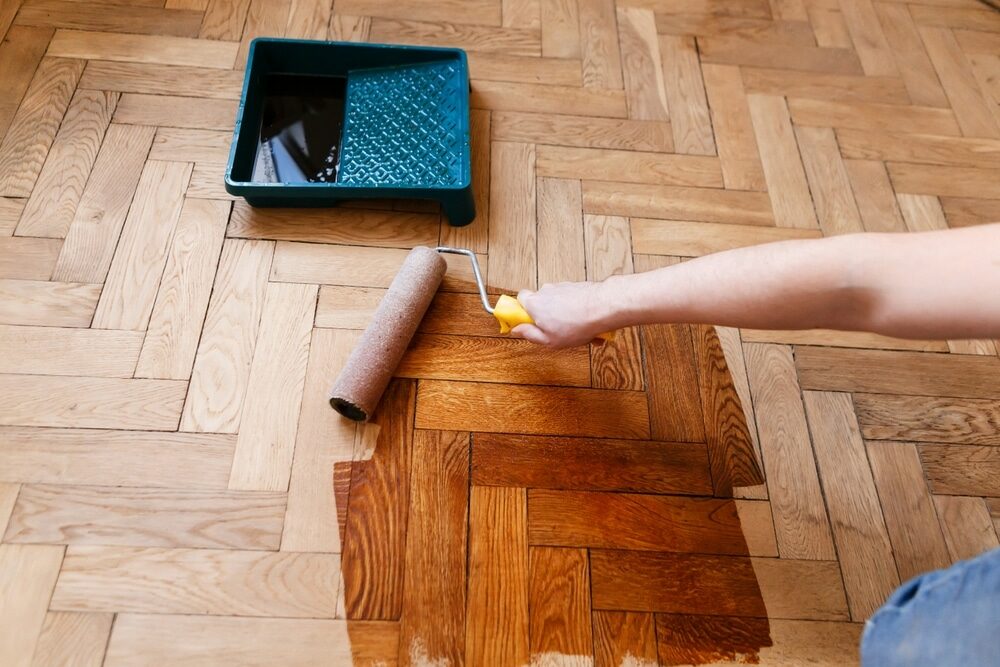
As a homeowner, maintaining your parquet floor can be a daunting task. Unlike other types of flooring, there is no one-size-fits-all approach to parquet maintenance. Instead, the type of parquet you have in your home plays a significant role in determining the best course of action. In this article, we will delve into the world of parquet maintenance and provide specific advice based on the type of parquet you have.
Understanding Parquet Types
Before we dive into the nitty-gritty of parquet maintenance, it’s essential to understand the different types of parquets available in the market. From traditional solid wood parquets to engineered parquets with a wooden veneer, each type has its unique characteristics and maintenance requirements. In order of economic value, these types include:
- Solid Wood Parquet
- Supported Parquet
- Laminated Parquet (with a parquet effect)
- Faux Parquet (made from PVC)
For the sake of this article, we will focus on maintaining traditional solid wood and supported parquets.
The Importance of Finishing
The finish applied to your parquet plays a significant role in determining its maintenance requirements. Did you know that there are different types of finishes available, including glossy, matte, and rough? Each type affects the way your parquet responds to cleaning and wear. In this article, we will provide guidance on maintaining the most common types of parquets.
Types of Finishes
Before we dive into the maintenance requirements of parquet floors, let’s take a closer look at the different types of finishes available:
- Glossy Finish: A glossy finish provides an attractive appearance and is often used in high-traffic areas. However, it can show scuffs and scratches more easily than other finishes.
- Matte Finish: A matte finish is less reflective than a glossy finish but still offers a natural appearance. It’s suitable for low-traffic areas or areas that require minimal maintenance.
- Rough Finish: A rough finish has a textured appearance and is often used to create a rustic or traditional look.
Maintaining Solid Wood Parquets
If you have a solid wood parquet, it’s essential to understand its unique maintenance requirements. Unlike engineered parquets, solid wood parquets require more attention and care. Here are some tips:
- Regular Cleaning: Regular cleaning is crucial to maintaining the appearance of your solid wood parquet. Use a soft-bristled brush or a dusting mop to remove dirt and debris.
- Polishing: To maintain the shine and luster of your solid wood parquet, regular polishing is necessary. Use a polish specifically designed for hardwood floors.
- Refinishing: Solid wood parquets can become damaged over time due to scratches, scuffs, or fading colors. In this case, refinishing may be necessary.
Refinishing Techniques
If you need to refinish your solid wood parquet, here are some techniques to consider:
- Sanding: Use a fine-grit sandpaper to remove old finishes and smooth out the surface.
- Staining: Apply a stain specifically designed for hardwood floors to restore the natural color of the wood.
- Polyurethane Coating: Apply a clear polyurethane coating to protect the finish and maintain its shine.
Maintaining Supported Parquets
Supported parquets are another type of parquet that requires specific maintenance. Here’s what you need to know:
- Refinishing: If your supported parquet has lost its luster or developed scratches, refinishing may be necessary.
- Replacing Boards: Over time, the boards in a supported parquet can become damaged due to wear and tear. In this case, replacing individual boards is often necessary.
The Benefits of Laminated Parquets
Laminated parquets are another popular option for homeowners. These parquets offer an “effect wood” look without the high maintenance requirements of solid wood parquets. Here’s what you need to know:
- Cleaning: Laminated parquets are easy to clean and maintain. Use a soft-bristled brush or a dusting mop to remove dirt and debris.
- Resilience: Laminated parquets can withstand heavy foot traffic and spills, making them an ideal choice for high-traffic areas.
Faux Parquet Maintenance
If you have a faux parquet made from PVC, it requires minimal maintenance. Here’s what you need to know:
- Regular Cleaning: Regular cleaning is necessary to maintain the appearance of your faux parquet. Use a soft-bristled brush or a dusting mop to remove dirt and debris.
- Protection: Apply a clear protective coating to protect the finish of your faux parquet from spills, scratches, and fading.
Common Mistakes to Avoid
When maintaining your parquet floor, there are several common mistakes to avoid:
- Using harsh chemicals or abrasive cleaners that can damage the finish
- Over-saturating the floor with too much water, leading to warping or buckling
- Failing to regularly clean and polish the floor
Conclusion
Maintaining your parquet floor requires attention to detail and a thorough understanding of its unique characteristics. By following these tips and guidelines, you can keep your solid wood or supported parquets looking their best for years to come.
Frequently Asked Questions (FAQs)
Q: How often should I clean my parquet floor?
A: Regular cleaning is necessary to maintain the appearance of your parquet floor. Use a soft-bristled brush or a dusting mop to remove dirt and debris.
Q: What type of polish should I use on my solid wood parquet?
A: Use a polish specifically designed for hardwood floors to maintain the shine and luster of your solid wood parquet.
Q: Can I refinish my supported parquet myself?
A: While it’s possible to refinish your supported parquet yourself, we recommend hiring a professional parquettist to ensure high-quality results.
Q: How often should I reapply polish to my laminated parquet?
A: Regular polishing is necessary to maintain the appearance of your laminated parquet. Apply polish every 6-12 months to keep it looking its best.
Q: Can I use harsh chemicals on my faux parquet?
A: No, avoid using harsh chemicals or abrasive cleaners that can damage the finish of your faux parquet.
Q: How often should I clean my parquet floor after spills?
A: Clean up spills immediately to prevent damage to the floor. Use a soft-bristled brush or a dusting mop to remove dirt and debris.
Q: Can I use too much water on my parquet floor?
A: No, avoid over-saturating your parquet floor with too much water, as this can lead to warping or buckling.
Additional Tips
- Use felt pads on furniture legs to prevent scratching the floor
- Avoid placing heavy objects directly on the floor
- Regularly inspect the floor for signs of damage or wear
By following these tips and guidelines, you can maintain your parquet floor and keep it looking its best for years to come. Remember to always check with a professional if you’re unsure about any aspect of parquet maintenance.


