
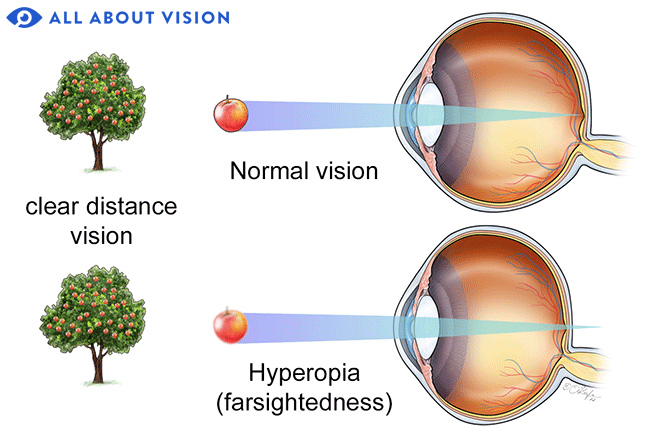
As we age, our eyes undergo natural changes that can affect our vision. One common condition that affects millions of people worldwide is hyperopia, also known as farsightedness. In this article, we will explore what hyperopia is, its causes, symptoms, and treatment options.
What is Hyperopia?
Hyperopia is a type of refractive error where the eye has difficulty focusing light properly on the retina due to an irregular shape of the cornea or lens inside the eye. This results in distant objects appearing blurry, while nearby objects appear clear. The condition can be mild or severe, and its symptoms may vary from person to person.
Causes of Hyperopia
Hyperopia is typically caused by one of two factors:
- Aging: As we age, the lens inside our eye loses its ability to focus light properly, leading to farsightedness. This loss of flexibility occurs because the lens becomes less able to change shape as it focuses on close objects.
- Genetics: Some people are born with a refractive error due to their genetic makeup. This can lead to hyperopia if one or both parents have the condition.
Symptoms of Hyperopia
The symptoms of hyperopia can vary depending on its severity and individual factors. Common symptoms include:
- Blurry vision at a distance
- Difficulty reading or performing close-up tasks
- Headaches or eye strain from trying to focus
- Squinting or tilting the head to see distant objects more clearly
In addition, some people may experience additional symptoms such as:
- Eye discomfort or dryness
- Fatigue or dizziness
- Difficulty driving at night due to blurred vision
Hyperopia vs. Astigmatism
While hyperopia and astigmatism share similar symptoms, they are distinct conditions. Astigmatism is caused by an irregular shape of the cornea, which can lead to distorted vision. In contrast, hyperopia is primarily a problem with focusing light properly on the retina.
Hyperopia and Presbyopia
Presbyopia is another age-related condition that affects our ability to focus on close objects. While presbyopia is similar to hyperopia in terms of its effects on vision, it is caused by a different set of factors. As we age, the lens inside our eye loses its flexibility, making it harder to focus on close objects.
Treatment Options for Hyperopia
Fortunately, there are several treatment options available for hyperopia:
- Glasses: Prescribed glasses can correct nearsightedness and improve distance vision. Glasses typically consist of lenses that refract light properly, allowing the eye to see clearly.
- Contact Lenses: Rigid gas permeable lenses or soft contact lenses can be used to correct hyperopia. These lenses sit directly on the surface of the eye and refract light properly, allowing the eye to see clearly.
- Surgery: In some cases, refractive surgery such as LASIK or PRK may be recommended. This involves reshaping the cornea to improve its shape and allow for proper focus.
Hyperopia in Children
Children who have hyperopia are often prescribed glasses or contact lenses to help them see clearly. However, it’s essential for parents to monitor their child’s vision regularly and consult with an eye doctor if they notice any changes in their child’s vision.
Conclusion
Hyperopia is a common condition that affects millions of people worldwide. By understanding its causes, symptoms, and treatment options, individuals can take the first step towards improving their vision and enjoying life without the burden of blurry eyesight.
Frequently Asked Questions (FAQs)
Q: How common is hyperopia?
A: Hyperopia affects approximately 25% of adults worldwide.
Q: Can hyperopia be treated with surgery?
A: Yes, refractive surgery such as LASIK or PRK can correct hyperopia in some cases. However, this should only be considered after consulting with an eye doctor and discussing the potential benefits and risks.
Q: Is hyperopia genetic?
A: While some people may be born with a refractive error due to their genetic makeup, the exact causes of hyperopia are not fully understood.
Q: Can hyperopia affect my daily life?
A: Yes, if left untreated or undertreated, hyperopia can lead to headaches, eye strain, and difficulty performing daily tasks. Regular check-ups with an eye doctor can help monitor the progression of the condition and determine whether treatment is necessary.
Q: Are there any risks associated with treating hyperopia?
A: Like any medical treatment, refractive surgery carries risks such as dry eyes, infections, or under/overcorrection. It’s essential to consult with an eye doctor to discuss the potential benefits and risks of treatment.
Q: Can I treat hyperopia at home?
A: No, it is not recommended to try to treat hyperopia on your own without consulting with an eye doctor first. Glasses or contact lenses can be prescribed by a professional to correct hyperopia.
Q: Are there any natural remedies for hyperopia?
A: While some people claim that certain herbs or supplements can help improve vision, there is limited scientific evidence to support these claims. It’s always best to consult with an eye doctor before trying any new treatments.
Q: How often should I have my eyes checked if I have hyperopia?
A: Regular check-ups with your eye doctor will help monitor the progression of your hyperopia and determine whether treatment is necessary. It’s recommended to have your eyes checked at least once a year, or more frequently if you experience any symptoms or changes in your vision.
Myth-Busting Hyperopia
There are several common myths surrounding hyperopia:
- Myth: Hyperopia only affects adults.
- Reality: While it’s true that hyperopia becomes more common with age, children can also be born with the condition or develop it later in life.
- Myth: Glasses or contact lenses can’t correct hyperopia.
- Reality: Glasses and contact lenses are often prescribed to treat hyperopia, helping individuals see clearly at a distance.
Hyperopia and Lifestyle
In addition to treatment options, there are several lifestyle factors that can help manage hyperopia:
- Regular eye exams: Regular check-ups with an eye doctor can help monitor the progression of hyperopia and determine whether treatment is necessary.
- Balanced diet: Eating a balanced diet rich in fruits, vegetables, and omega-3 fatty acids can help promote healthy vision and reduce the risk of age-related macular degeneration.
- Exercise: Regular exercise can help improve overall health and reduce the risk of certain eye conditions.
Conclusion
Hyperopia is a common condition that affects millions of people worldwide. By understanding its causes, symptoms, and treatment options, individuals can take the first step towards improving their vision and enjoying life without the burden of blurry eyesight.


