
Introduction
Foxes are one of the most iconic and fascinating creatures in the animal kingdom. With their cunning nature, striking appearance, and adaptability to various environments, they have captivated human imagination for centuries. In this article, we will delve into the world of foxes, exploring their characteristics, varieties, and domestication, as well as their unique traits and behaviors.
What is a Fox?
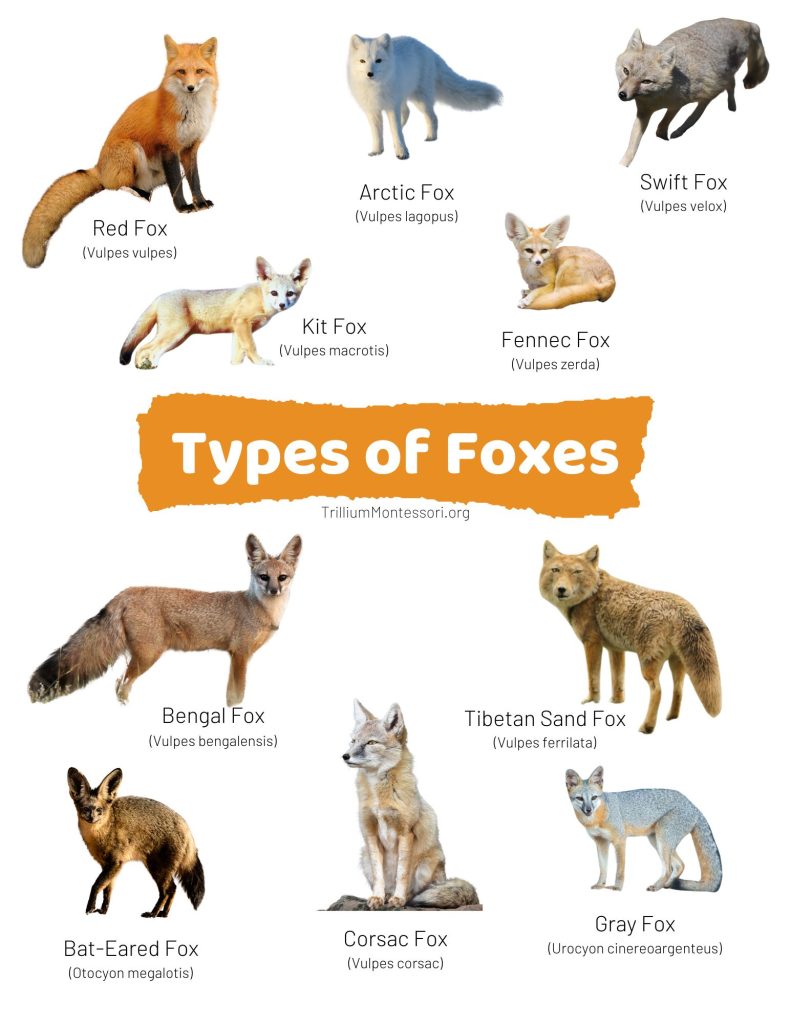
A fox is a member of the Canidae family, which also includes dogs, wolves, and jackals. The most common species of fox is the red fox (Vulpes vulpes), found in Europe, Asia, and North America. Other varieties of foxes include the Arctic fox (Vulpes lagopus), desert fox (Vulpes zerda), and swamp fox (Vulpes texensis).
Characteristics of Foxes
Foxes are known for their slender bodies, large ears, pointed snouts, and fluffy tails. They come in a variety of colors, including red, gray, white, and black, with distinctive markings on their fur. Their size can range from 3 to 10 kg (6.6 to 22 pounds), depending on the species.
Foxes in Europe
In Europe, foxes are widely distributed, found in forests, grasslands, and even urban areas. They are known for their intelligence, cunning, and adaptability, making them successful predators. Foxes play a crucial role in maintaining ecosystem balance by controlling populations of small mammals, birds, and reptiles.
Foxes in the Arctic
The Arctic fox (Vulpes lagopus) is well adapted to the harsh, cold climate of the Arctic tundra. Their thick white coats help them blend in with the snow, while their small size allows them to move efficiently through dense vegetation. They primarily feed on lemmings, but also hunt other small mammals and birds.
Foxes in Deserts
The desert fox (Vulpes zerda), also known as the fennec fox, is found in the Sahara Desert region. Their oversized ears help dissipate heat, while their sand-colored coats allow them to blend in with the dunes. They are skilled hunters, feeding on rodents, insects, and small reptiles.
Domestication of Foxes
While it is possible to domesticate foxes, it requires careful attention and specialized care. Fennec foxes have been kept as pets in some parts of the world, but they require large enclosures with plenty of space for exercise and socialization. Domesticated foxes can be quite friendly and playful, but may also exhibit skittish behavior and escape if not properly contained.
Foxes as Hunters
Foxes are skilled predators, using their keen senses to hunt a variety of prey. They have excellent night vision, thanks to their reflective retinas, which allow them to see in low light conditions. Their sharp ears and hearing enable them to detect the slightest sounds, while their fast reflexes and agility make them formidable hunters.
Foxes as Omnivores
Foxes are omnivores, feeding on a wide range of food sources including small mammals, birds, insects, fruits, and vegetation. They have been known to scavenge for carrion and even eat eggs and baby animals if they encounter them. This adaptability allows foxes to thrive in various environments.
Foxes as Ecosystem Engineers
Foxes play a crucial role in maintaining ecosystem balance by controlling populations of small mammals, birds, and reptiles. By preying on these species, foxes help maintain the diversity of their ecosystems and prevent any one species from becoming too dominant.
Conservation Status of Foxes
Many species of foxes are threatened or endangered due to habitat loss, hunting, and other human activities. The Arctic fox is listed as a “least concern” by the International Union for Conservation of Nature (IUCN), while other species such as the red fox and desert fox are considered vulnerable.
Interesting Facts about Foxes
- Foxes have a highly developed sense of hearing and can detect sounds at frequencies up to 50 kHz, which is beyond human range.
- Foxes have excellent night vision and can see in low light conditions due to their reflective retinas.
- Foxes are able to run at speeds of up to 45 km/h (28 mph), making them agile and quick predators.
- Foxes are known for their playful nature and have been observed playing with sticks, rocks, and other objects.
Conclusion
Foxes are fascinating creatures that continue to captivate human imagination. Their unique characteristics, adaptability, and intelligence make them successful predators in various environments. Whether found in Arctic tundras, desert landscapes, or urban areas, foxes play a vital role in maintaining ecosystem balance and continue to inspire our curiosity and admiration.
Frequently Asked Questions
- Q: What is the average lifespan of a fox?
A: The average lifespan of a fox varies depending on the species and environment, but typically ranges from 2 to 5 years in the wild. - Q: Can foxes be domesticated?
A: While it is possible to domesticate some species of foxes, such as fennec foxes, they require specialized care and attention. - Q: What do foxes primarily feed on?
A: Foxes are omnivores and primarily feed on small mammals, birds, insects, fruits, and vegetation. - Q: Are foxes social animals?
A: Foxes are generally solitary animals but may form pairs during mating season or live in small family groups. - Q: Can foxes be kept as pets?
A: While some species of foxes can make interesting pets, they require specialized care and attention, and may not be suitable for everyone. - Q: How do foxes adapt to cold climates?
A: Foxes in cold climates have thick fur coats that help them insulate themselves from the elements, as well as behavior adaptations such as hibernation or burrowing. - Q: What is the significance of foxes in ecosystems?
A: Foxes play a crucial role in maintaining ecosystem balance by controlling populations of small mammals, birds, and reptiles. - Q: Can foxes be found in North America?
A: Yes, red foxes are widely distributed across North America, from Canada to Mexico.



