
In today’s digital world, where online activities have become an integral part of our daily lives, it’s essential to understand the importance of virtual private networks (VPNs) in protecting our privacy and security.
The Evolution of Online Habits
Just two decades ago, internet users were vastly different from what they are today. With the proliferation of smartphones, people could access the internet directly from their mobile devices, reducing their reliance on desktop computers. Moreover, faster and more stable internet connections enabled users to engage in online activities beyond work, entertainment, and socializing.
The rise of social media, e-commerce, and streaming services has transformed the way we interact with the internet. We are now accustomed to sharing our personal data, thoughts, and experiences online, often without fully considering the consequences. This shift towards a more connected and interconnected world has led to an increase in cyber threats, making it crucial for individuals to take proactive measures to safeguard their online presence.
The Rise of Online Data Exchange
Today, we exchange vast amounts of data daily through various digital channels. This includes our email accounts, documents stored on smartphones, personal data used for booking reservations or streaming services, and even checking account balances while out and about. These online interactions have become increasingly common, making us vulnerable to cyber threats.
The increasing reliance on technology has also led to the growth of IoT devices (Internet of Things), which are connected to the internet and capable of collecting sensitive information. As a result, the potential for data breaches and cyber attacks is higher than ever before.
What is a VPN?
A virtual private network (VPN) is a technology that secures our internet connection by encrypting data and masking our IP address. This ensures that our personal information remains safe from prying eyes and makes it difficult for hackers to intercept our online activities.
VPNs work by creating a secure, encrypted tunnel between your device and the VPN server. When you connect to the VPN, all of your internet traffic is routed through this secure tunnel, making it appear as if you are accessing the internet directly from the VPN server’s location.
How Does a VPN Work?
When we connect to the internet using a VPN, our data is encrypted in several layers. The encryption process uses complex algorithms to scramble our data into unreadable code. This ensures that even if hackers intercept our data, they will not be able to access or decode it without the decryption key.
In addition to encryption, VPNs also mask our IP address and location. By routing our internet traffic through a VPN server located in a different country, we can conceal our geographical location and avoid online tracking.
The Importance of a VPN When You’re Not at Home
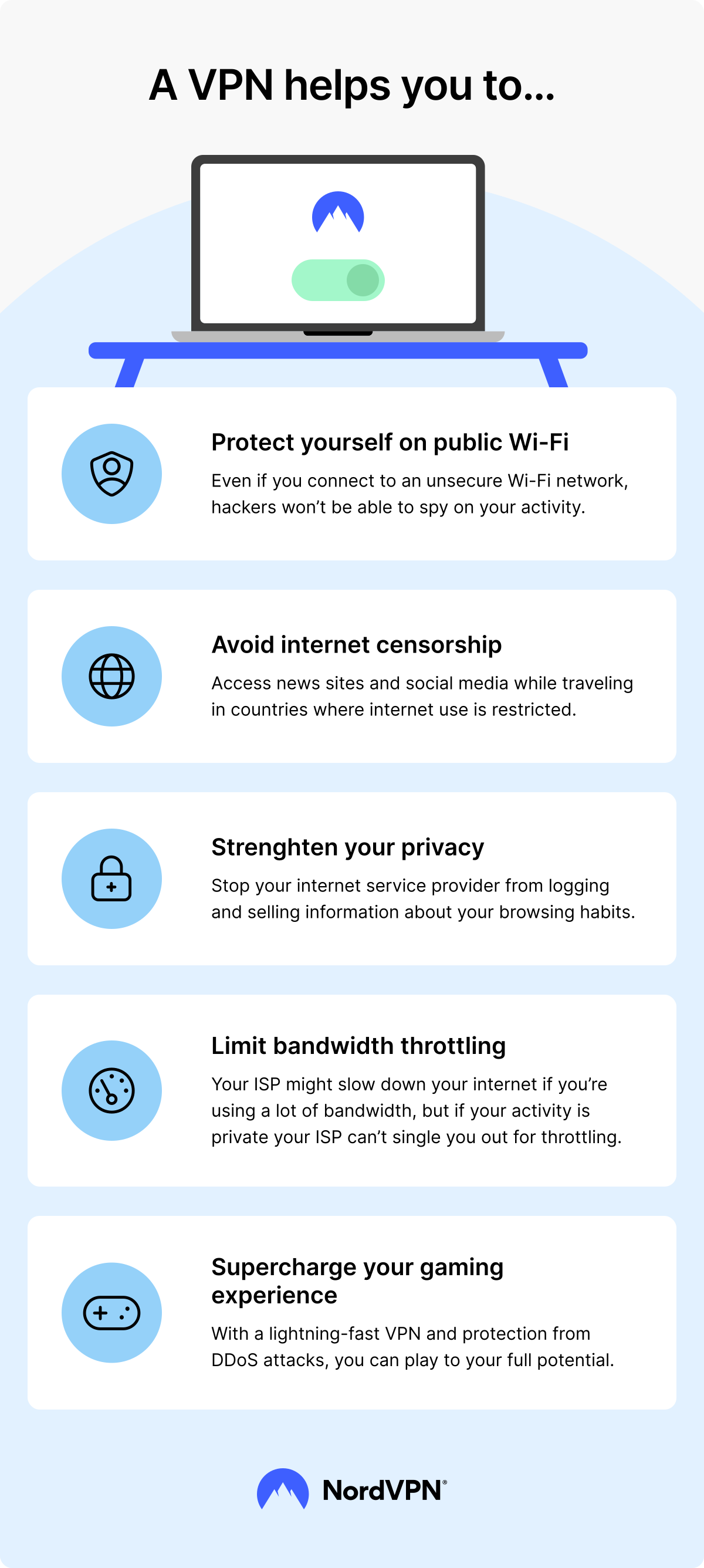
When we venture outside our homes, we often come into contact with public Wi-Fi networks in cafes, libraries, parks, or workplaces. These connections are more susceptible to hacking and cyber attacks, putting our personal data and online security at risk. Using a VPN while away from home provides an added layer of protection against these threats.
Public Wi-Fi networks can be vulnerable to man-in-the-middle attacks, where hackers intercept our internet traffic and steal sensitive information. A VPN mitigates this risk by encrypting our data and hiding our IP address, making it difficult for hackers to access our online activities.
The Benefits of a VPN
In conclusion, a VPN is an essential tool for anyone who wants to safeguard their online presence. By encrypting data and concealing IP addresses, VPNs provide peace of mind when browsing the internet, shopping, or engaging in other online activities.
Some key benefits of using a VPN include:
- Protection from cyber threats: A VPN protects our personal information from being intercepted or accessed by unauthorized parties.
- Secure browsing: By encrypting data and masking our IP address, VPNs ensure that our online activities remain private and secure.
- Access to geo-restricted content: With a VPN, we can access content and services that are restricted in certain regions due to copyright laws or geographical restrictions.
- Protection from online tracking: A VPN conceals our location and browsing history, making it difficult for advertisers and marketers to track our online activities.
FAQs:
- What is the main purpose of using a VPN?
- The primary purpose of using a VPN is to protect our personal information from being intercepted or accessed by unauthorized parties.
- How does a VPN work?
- A VPN encrypts data and masks our IP address, making it difficult for hackers to track our online activities.
- Is using a VPN necessary in today’s digital age?
- Yes, using a VPN is essential for anyone who values their online security and privacy.
- Can I use a VPN on my smartphone?
- Yes, many VPN providers offer mobile apps that allow you to access the internet securely while on-the-go.
- Is a VPN only used for gaming or streaming?
- No, a VPN can be used for any online activity that requires security and privacy.
- What are some common uses of a VPN?
- Some common uses of a VPN include browsing the web, accessing email accounts, making online purchases, and checking account balances while away from home.
- Can I use a free VPN service?
- While free VPN services can provide temporary protection, they often come with limitations or ads. It’s recommended to use a paid VPN service for maximum security.
- How do I choose the right VPN provider?
- When selecting a VPN provider, consider factors such as encryption, server locations, speed, and customer support.
Choosing the Right VPN Provider
Selecting the right VPN provider is crucial for ensuring that you get the best possible experience with your VPN. Here are some key considerations:
- Encryption: Look for a VPN provider that uses strong encryption algorithms to protect our data.
- Server locations: Choose a VPN provider with servers located in multiple countries to ensure that we can access geo-restricted content and services.
- Speed: Opt for a VPN provider with fast speeds to minimize latency and ensure seamless browsing.
- Customer support: Select a VPN provider with reliable customer support to help resolve any issues or concerns.
Conclusion
In conclusion, the importance of VPNs in today’s digital world cannot be overstated. By protecting our personal information from cyber threats, securing our online activities, and concealing our IP address, VPNs provide peace of mind when browsing the internet, shopping, or engaging in other online activities.
As we continue to live in a more connected and interconnected world, it’s essential for individuals to take proactive measures to safeguard their online presence. By understanding the benefits of using a VPN and choosing the right provider, we can protect our personal data and maintain online security.
Additional Tips
Here are some additional tips for getting the most out of your VPN:
- Regularly update your VPN software: Ensure that your VPN software is up-to-date to take advantage of the latest security features and improvements.
- Use a VPN on all devices: Protect your personal data by using a VPN on all devices, including smartphones, tablets, laptops, and desktop computers.
- Monitor your internet connection: Regularly monitor your internet connection for any signs of hacking or cyber attacks, such as unusual traffic patterns or sudden drops in speed.
By following these tips and choosing the right VPN provider, you can enjoy a more secure and private online experience.


