
The Plastic Problem in the Ocean and Pollution: A Growing Concern for Our Planet
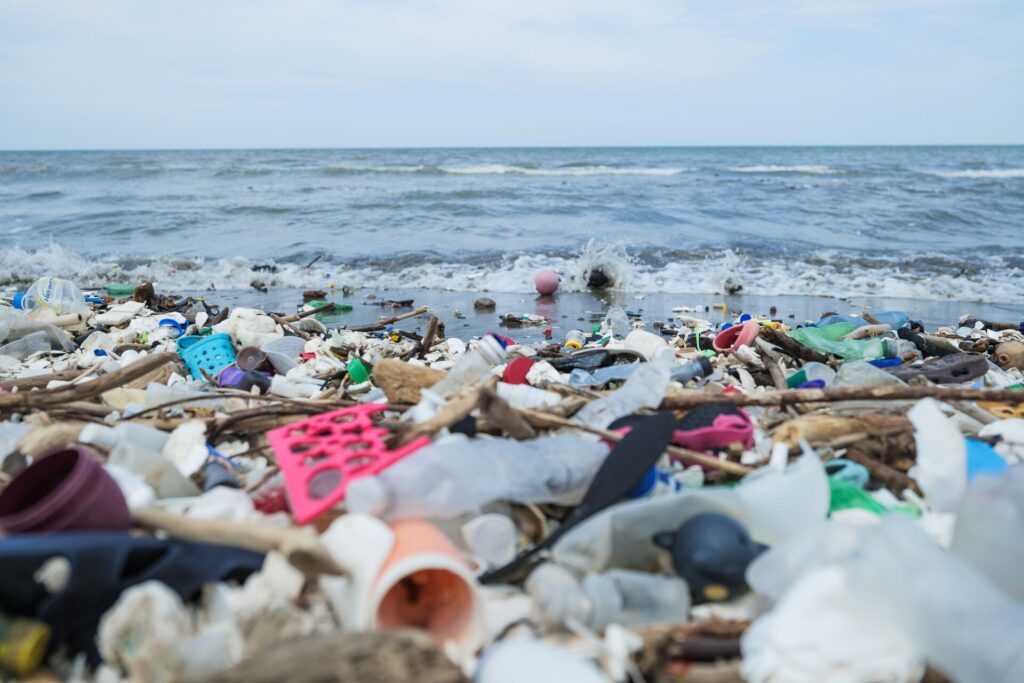
Plastic waste has become a growing concern, not only in our oceans but also on our beaches and coastlines. As individuals, we contribute to this issue, and so do large corporations. The numbers are alarming, and it’s time to take action. In this article, we will delve into the extent of the problem, its impact on marine life, and most importantly, explore ways in which we can make a difference.
Why is plastic pollution a problem?
The presence of plastic waste in the ocean has serious implications for the environment. Not only does it harm marine life, but it also affects the water quality and the overall health of our planet. Plastic waste can be found on beaches and coastlines, and its impact is far-reaching.
The extent of the problem
A study by Legambiente in 2017 found that there are approximately 670 pieces of trash per 100 meters of coastline. The top contaminants were plastic, followed by glass, metal, paper, and cardboard. This highlights the need for urgent action to address this issue.
To put this number into perspective, let’s consider the amount of plastic waste in the ocean. According to a report by the National Oceanic and Atmospheric Administration (NOAA), there are over 150 million tons of plastic waste floating in the world’s oceans. That’s equivalent to dumping the contents of one garbage truck into the ocean every minute.
Where does the plastic come from?
The majority of plastic waste (54%) comes from domestic sources, such as households and individuals. This means that we all have a role to play in reducing our plastic use and waste. However, it’s not just individual actions that contribute to this problem. Large corporations and industrial activities also produce massive amounts of plastic waste.
Can we make a difference?
Yes! By making small changes to our daily habits, we can significantly reduce the amount of plastic waste that enters the ocean. Using reusable bags, containers, and water bottles can help minimize our impact. Additionally, supporting companies that use biodegradable materials and promoting recycling programs can also contribute to reducing plastic waste.
The role of research
Research has led to the discovery of new eco-friendly materials, such as bioplastics and plant-based packaging. These alternatives are not only better for the environment but also more sustainable in the long run. For example, bioplastics are made from renewable biomass sources such as corn starch, sugarcane, or potato starch.
However, despite these advancements, there is still much work to be done. The production of plastic waste continues to increase, and it’s estimated that by 2050, there will be more plastic than fish in the ocean.
Island-like concentrations of plastic waste
In the Mediterranean Sea, there is a massive accumulation of plastic waste, with an estimated 500 tons floating in the water. The northern Tyrrhenian Sea and around the island of Elba are particularly affected. This phenomenon has been dubbed “plastic islands” by scientists, who describe them as “giant garbage patches” that can be several kilometers wide.
The impact on marine life
The ingestion of microplastics by fish and other marine animals can have devastating effects on their health. Even small amounts of plastic debris can be deadly, as seen in the case of the Humboldt squid. Research has shown that microplastics can cause physical harm, as well as chemical toxicity, which can accumulate in the bodies of these animals over time.
Moreover, the presence of plastic waste in marine ecosystems can also lead to changes in food webs and nutrient cycles. For example, some species of fish have been found to feed on plastic debris, which can lead to an increase in toxic chemicals in their bodies.
What can we do to help?
We must work together to address this global issue. By supporting organizations that focus on marine conservation and promoting sustainable practices, we can make a difference. Moreover, individual actions, such as reducing our plastic use and participating in beach cleanups, can collectively lead to significant positive change.
Some of the ways we can contribute include:
- Reducing our use of single-use plastics
- Using reusable bags, containers, and water bottles
- Supporting companies that use biodegradable materials
- Participating in beach cleanups and other community events
- Advocating for policies that promote sustainable practices
Conclusion
The plastic problem in the ocean is a pressing concern that requires immediate attention. By understanding the scope of the issue, recognizing our role in it, and taking collective action, we can mitigate its impact on marine life and the environment as a whole.
As individuals, we have the power to make a difference. We can start by making small changes to our daily habits and supporting organizations that work towards sustainable practices. Together, we can create a wave of change that will help protect our oceans and marine ecosystems for future generations.
Frequently Asked Questions (FAQs)
Q: What is the main cause of plastic pollution in the ocean?
A: The majority of plastic waste comes from domestic sources, such as households and individuals.
Q: How can I reduce my plastic use?
A: Using reusable bags, containers, and water bottles, as well as supporting companies that use biodegradable materials, can help minimize your impact.
Q: Can research make a difference in reducing plastic waste?
A: Yes! Research has led to the discovery of new eco-friendly materials, such as bioplastics and plant-based packaging.
Q: What is being done to address marine pollution?
A: Organizations are working to promote sustainable practices, reduce plastic use, and clean up beaches and coastlines.
Q: Can individual actions make a difference?
A: Yes! Collective efforts can lead to significant positive change and help mitigate the impact of plastic pollution on marine life and the environment.
Q: How can I get involved in marine conservation efforts?
A: Supporting organizations that focus on marine conservation, participating in beach cleanups, and promoting sustainable practices are all ways to make a difference.
Q: What is the current state of plastic pollution in the ocean?
A: Plastic waste is widespread, with an estimated 500 tons floating in the Mediterranean Sea alone.
Q: How can I reduce my impact on the environment?
A: By reducing your plastic use, supporting eco-friendly materials, and promoting sustainable practices, you can contribute to a more environmentally friendly lifestyle.


