
As we go about our daily lives, it’s easy to overlook the tiny creatures that inhabit our surroundings. However, there are some insects that can pose a significant threat to our health and well-being. In this article, we’ll delve into the world of processionaria, a species of moth that can cause severe damage to humans and animals alike.
What is Processionaria?
Processionaria, also known as Traumatocampa pityocampa, is a type of lepidopteran moth that belongs to the family Notodontidae. It’s characterized by its grayish-brown color with brown striations and can grow up to 3 cm in length. The female processionaria is slightly larger than the male.
The Perils of Processionaria for Humans
While processionaria is often associated with harming trees, it can also pose a threat to humans. When an individual comes into contact with the moth’s hairs, they can cause severe allergic reactions, including:
- Skin irritation: The hairs from the processionaria can trigger skin irritation, redness, and inflammation.
- Eye problems: Inhaling or touching the hairs can lead to eye irritation, conjunctivitis, and even vision loss in extreme cases.
- Respiratory issues: Processionaria hairs can exacerbate respiratory conditions like asthma.
Processionaria: The Canine Conundrum
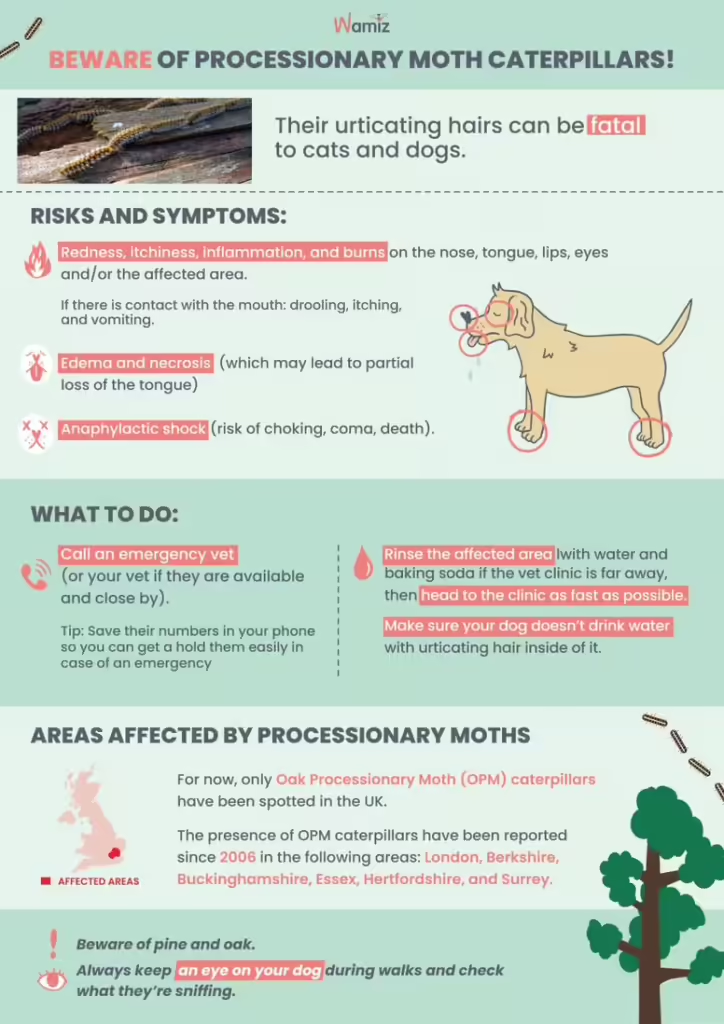
Dogs are particularly susceptible to processionaria due to their tendency to sniff and explore their surroundings. When a dog ingests the moth’s hairs, it can lead to:
- Gastrointestinal issues: The hairs can cause stomach upset, diarrhea, and even vomiting.
- Allergic reactions: Some dogs may develop allergic reactions to the processionaria hairs, which can manifest as itching, scratching, and skin irritation.
Prevention is Key
To avoid the perils of processionaria, it’s essential to take preventative measures:
- Regular grooming: Regularly groom your dog to remove any signs of processionaria.
- Cleanliness: Keep your home clean, especially areas where dogs frequent, to reduce the risk of exposure.
- Monitoring: Regularly inspect plants and trees for signs of processionaria.
Eliminating Processionaria: A Multi-Faceted Approach
To effectively eliminate processionaria, a combination of methods is necessary:
- Biological control: Introduce natural predators or parasites to control the population.
- Chemical control: Use targeted insecticides to kill the larvae and adults.
- Mechanical control: Remove infested plants and trees to prevent further infestation.
Laws and Regulations
In an effort to protect humans and animals from the perils of processionaria, laws and regulations have been put in place:
- Decreto del 17 aprile 1998: This Italian decree makes it obligatory for landowners to remove processionaria nests from their properties.
- Decreto Legislativo nr. 214 del 19 agosto 2005: This decree further regulates the removal of processionaria nests on public lands.
Prevention Strategies
To minimize the risk of processionaria infestation, consider the following prevention strategies:
- Inspect plants regularly: Regularly inspect plants and trees for signs of processionaria.
- Remove infested areas: Remove any infested plants or trees to prevent further infestation.
- Use natural repellents: Use natural repellents, such as neem oil or pyrethrin, to deter processionaria.
Public Awareness
Raise awareness about the perils of processionaria among the general public:
- Educate children and adults: Educate children and adults about the risks associated with processionaria.
- Promote prevention strategies: Promote prevention strategies, such as regular grooming and cleanliness, to reduce the risk of infestation.
Conclusion
Processionaria may seem like a harmless insect, but its presence can have severe consequences for humans and animals alike. By understanding the risks associated with this moth and taking preventative measures, we can minimize the damage caused by processionaria.


