
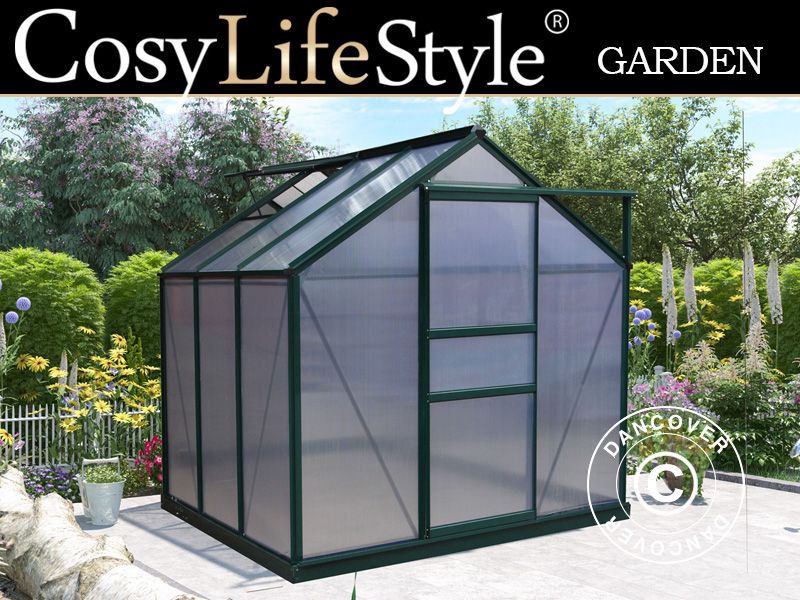
Understanding the Concept of a Greenhouse Bioclimatic
A greenhouse bioclimatic, also known as a solar greenhouse or captor greenhouse, is a type of structure that combines greenery with comfort and aesthetics. This concept has been around for centuries, with ancient Romans using greenhouses to force the growth of certain plants that wouldn’t thrive in their natural environment.
The use of greenhouses dates back to ancient civilizations, where they were used for various purposes such as food production, research, and even as a form of luxury living. In modern times, greenhouse bioclimatic has evolved into a unique and innovative way to utilize space, combining functionality with sustainability.
The Evolution of Greenhouse Bioclimatic
While modern greenhouses have evolved significantly from their predecessors, the underlying logic remains the same. In Germany, for example, winter gardens are a popular feature in many homes and buildings, providing a cozy space to enjoy the warmth and light of the sun during the colder months.
In recent years, greenhouse bioclimatic has gained popularity worldwide, with designers and architects experimenting with new designs and materials. This has led to the development of innovative and sustainable greenhouses that not only provide a comfortable living space but also minimize environmental impact.
Using a Greenhouse as an Area for Living
One of the most exciting aspects of greenhouse bioclimatic is its potential as a living space. In countries like Germany, where attention to eco-friendly architecture is high, greenhouses are being used as fully functional areas for relaxation and entertainment. Imagine inviting friends over for dinner or spending hours reading and sipping tea in a warm, sunny space.
Greenhouse bioclimatic can be designed to accommodate various lifestyles and needs. For instance, it can be used as a home office, a yoga studio, or even a meditation room. The possibilities are endless, making it an attractive option for those looking to create a unique and functional living space.
Key Benefits of a Greenhouse Bioclimatic
A greenhouse bioclimatic offers several benefits, including:
- Being an area that can be used both in winter and summer
- Acting as a natural volume with controlled temperature regulation
- Having aesthetic appeal
However, it’s essential to consider the regulations and laws governing these structures in your area.
Understanding Regulations and Laws
Regulations regarding greenhouse bioclimatic vary by region. In Lombardy, for example, there is a minimum distance requirement of five meters from building edges. It’s crucial to consult local regulations before starting construction.
In some areas, greenhouses may be subject to specific zoning laws or building codes. For instance, in urban areas, greenhouses might require additional permits or approvals to ensure they comply with local regulations.
The Importance of Expertise
Designing and building a greenhouse bioclimatic requires expertise in both architecture and eco-friendly design. A professional can help ensure that the structure meets all necessary criteria while minimizing environmental impact.
To guarantee that your greenhouse solar system is recognized as such, there are specific requirements to meet:
- The surface area of the net volume must not exceed 15% of the usable space connected to it
- The system should reduce primary energy consumption for winter heating by at least 10%
- It must be equipped with movable and removable shading devices or other heat-reducing measures, but cannot have a separate heating or cooling system installed.
Designing Your Greenhouse Bioclimatic
When designing your greenhouse bi climatic, keep the following considerations in mind:
- At least half of the surface area that would otherwise lose heat must be composed of transparent elements
- The structure should not block sunlight entirely and maintain a balance between insulation and solar gain
Key Considerations for Designing Your Greenhouse Bioclimatic
When designing your greenhouse bioclimatic, there are several key considerations to keep in mind:
- Space Planning: Ensure that the space is well-planned and functional, with adequate room for plants, furniture, and other equipment.
- Insulation: Proper insulation is essential to maintain a comfortable temperature and reduce energy consumption.
- Shading Devices: Incorporate movable and removable shading devices or other heat-reducing measures to minimize solar gain during the summer months.
- Water Management: Implement effective water management systems, such as rainwater harvesting or greywater reuse, to minimize water waste.
- Energy Efficiency: Design the greenhouse to be energy-efficient, using materials and technologies that reduce energy consumption.
Sustainable Materials and Technologies
When designing your greenhouse bioclimatic, consider incorporating sustainable materials and technologies to minimize environmental impact. Some options include:
- Recycled glass or polycarbonate for the glazing material
- Low-carbon concrete or rammed earth for the building envelope
- Solar panels or renewable energy systems to power lighting and heating
- Rainwater harvesting or greywater reuse systems to conserve water
Greenhouse Bioclimatic in Urban Planning
Incorporating greenhouse bioclimatic into urban planning can have numerous benefits, including:
- Increased Food Production: Greenhouses can provide fresh produce for local communities, increasing food security and availability.
- Reduced Energy Consumption: By using renewable energy sources and efficient heating and cooling systems, greenhouses can reduce energy consumption and minimize carbon emissions.
- Improved Air Quality: Vegetation in the greenhouse can help purify the air, improving indoor air quality and reducing pollution.
However, there are also challenges associated with incorporating greenhouse bioclimatic into urban planning, such as:
- Space Constraints: Urban areas often have limited space for greenhouses, requiring careful planning and design to maximize efficiency.
- Regulatory Frameworks: Existing regulatory frameworks may not accommodate the use of greenhouses in urban areas, requiring changes to local zoning laws or building codes.
- Community Engagement: Greenhouse bioclimatic projects often require community engagement and participation, which can be time-consuming and resource-intensive.
Conclusion
Greenhouse bioclimatic is a unique and innovative approach to urban planning and design, offering numerous benefits for food production, energy efficiency, and air quality. However, it also presents challenges associated with space constraints, regulatory frameworks, and community engagement. By understanding the key considerations and design principles, architects, engineers, and policymakers can work together to create greenhouses that are both functional and sustainable.
Future Directions
As urban populations continue to grow, incorporating greenhouse bioclimatic into urban planning will become increasingly important for meeting future food security needs. Some potential future directions include:
- Integrating Greenhouses with Urban Agriculture: Greenhouse bioclimatic can be integrated with existing urban agriculture projects, providing a sustainable and efficient approach to food production.
- Developing Innovative Materials and Technologies: Research and development of new materials and technologies can help improve the efficiency and sustainability of greenhouse bioclimatic systems.
- Implementing Policy and Regulatory Changes: Governments and policymakers can play a crucial role in supporting the adoption of greenhouses by implementing policy and regulatory changes that promote their use.
By exploring these future directions, we can work towards creating more sustainable, efficient, and resilient urban environments that meet the needs of both humans and the planet.


