
Understanding the Importance of the Nitrogen Cycle
As humans, we often take for granted the role that nitrogen plays in our survival. However, without it, life as we know it would not be possible. So, let’s dive into the world of nitrogen and explore how it works.
What is Nitrogen?
Nitrogen is a vital component of amino acids, which are the building blocks of proteins, and nucleic acids, which make up our DNA. It’s also a key player in the process of photosynthesis, where plants convert sunlight into energy.
Where Does Nitrogen Come From?
The majority of nitrogen on Earth is found in the atmosphere, making up about 78% of the total volume. However, this type of nitrogen is not suitable for plant growth, as it’s not readily available to them.
Enter Plants: The Key Players in the Nitrogen Cycle
Plants are the unsung heroes of the nitrogen cycle. They play a crucial role in absorbing and utilizing nitrogen from the soil through their roots. This process is essential for their growth and development.
Why Is Plant Nutrient Management Important?
In an ideal world, plants would absorb all the nitrogen they need from the soil. However, this isn’t always the case. That’s where fertilizer comes in – a type of nutrient-rich substance that helps promote healthy plant growth.
How Do Plants Absorb Nitrogen?
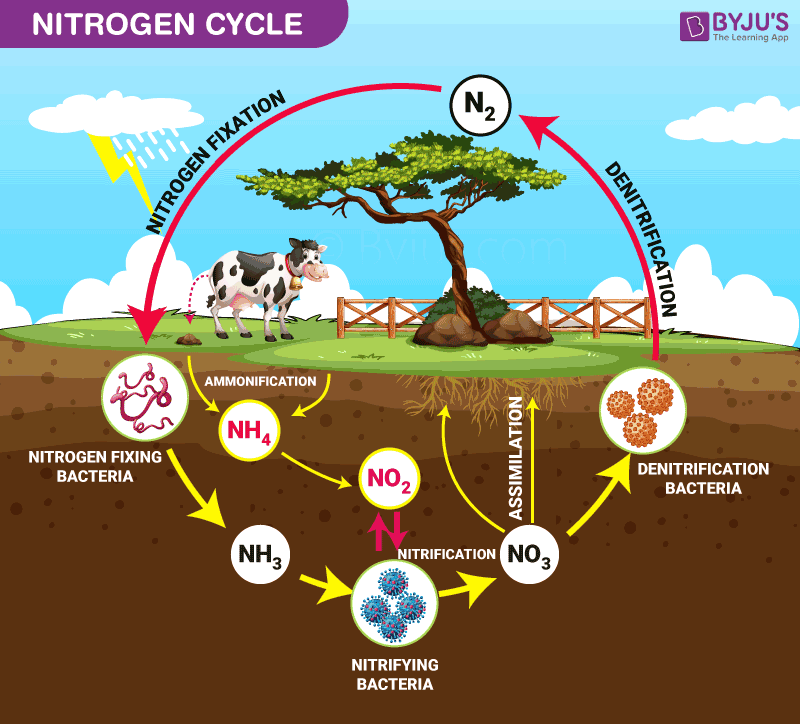
Plants absorb nitrogen through various compounds present in the soil, including nitrates, nitrites, and ammonium salts. Once absorbed, nitrogen is converted into organic forms that can be used by plants to fuel their growth.
The Nitrogen Cycle: A Complex Process
While it may seem simple at first, the nitrogen cycle is a complex process involving multiple players. Here’s a breakdown of how it works:
- Fissation: Bacteria convert atmospheric nitrogen (N2) into ammonia (NH3).
- The bacteria are known as Azotobacter and Clostridium, among others.
- Decomposition: Microorganisms break down organic matter, releasing nitrogen back into the soil.
- Soil-Plant-Animal Interaction: Plants absorb nitrogen from the soil, which is then transferred to animals through the food chain.
- Nitrogen Fixation: Certain bacteria convert atmospheric nitrogen into a form that can be used by plants.
Why Is Nitrogen Fixation Important?
Nitrogen fixation is critical for agriculture and plant growth. Without it, plants wouldn’t be able to absorb the nitrogen they need to thrive.
The Role of Microorganisms in the Nitrogen Cycle
Microorganisms play a vital role in the nitrogen cycle. They help break down organic matter, releasing nitrogen back into the soil, and also facilitate the process of nitrogen fixation.
How Do Plants Use Nitrogen?
Plants use nitrogen to produce amino acids, which are essential for growth and development. This is why nitrogen-rich fertilizers can promote healthy plant growth.
Bulleted List: Key Points about Nitrogen Cycling
- Nitrogen Fixation: The process by which bacteria convert atmospheric nitrogen into a form that can be used by plants.
- Soil-Plant-Animal Interaction: Plants absorb nitrogen from the soil, which is then transferred to animals through the food chain.
- Decomposition: Microorganisms break down organic matter, releasing nitrogen back into the soil.
Factors Affecting Nitrogen Cycle
Several factors can affect the nitrogen cycle, including:
- Climate Change: Changes in temperature and precipitation patterns can impact plant growth and microbial activity.
- Soil Erosion: Soil erosion can lead to nutrient loss and reduce plant growth.
- Agricultural Practices: Intensive farming practices can deplete soil nitrogen levels, leading to reduced crop yields.
Mitigating the Impact of Nitrogen Cycle on the Environment
To mitigate the impact of the nitrogen cycle on the environment, we need to adopt sustainable agricultural practices that promote soil health and reduce nutrient pollution. Some strategies include:
- Conservation Agriculture: This approach focuses on maintaining soil cover, reducing tillage, and using crop rotations to minimize nutrient loss.
- Organic Farming: Organic farming methods avoid synthetic fertilizers, which can contribute to nitrogen pollution.
Human Health Implications of the Nitrogen Cycle
The nitrogen cycle has a significant impact on human health. Excessive nitrogen levels in waterways can lead to eutrophication, which can cause algal blooms and harm aquatic life. Additionally, high nitrogen levels in food products can increase the risk of chronic diseases such as heart disease and cancer.
Conclusion
In conclusion, the nitrogen cycle is a complex process involving multiple players. By understanding how it works, we can appreciate the importance of plant nutrient management and the role that microorganisms play in facilitating nitrogen fixation. We also need to adopt sustainable agricultural practices that promote soil health and reduce nutrient pollution.
FAQs
- What is the main source of nitrogen on Earth?
- Why are plants essential for the nitrogen cycle?
- How do plants absorb nitrogen from the soil?
- What is the process called when bacteria convert atmospheric nitrogen into a form that can be used by plants?
- Why is nitrogen fixation critical for agriculture and plant growth?
- What role do microorganisms play in the nitrogen cycle?
- Can nitrogen-rich fertilizers harm plants or the environment?
- How does the nitrogen cycle affect human health?


