
Understanding Acne and Its Causes
Acne is a skin condition that affects millions of people worldwide. It is characterized by inflammation of the sebaceous glands attached to hair follicles, leading to various symptoms such as seborrhea, blackheads, and acne spots. While it’s common during adolescence, affecting over 30% of Caucasians between the ages of 14 and 19, it can also occur in adults.
The Role of Hormones in Acne
Hormonal changes during puberty trigger an increase in sebaceous gland activity, leading to clogged pores and acne. This is why acne tends to disappear as hormone levels regulate after puberty. However, hormonal fluctuations, such as those experienced by women during menstruation or pregnancy, can also cause breakouts.
The Link Between Diet and Acne
Research from New York University has shown a direct correlation between diet and the occurrence of acne. A diet high in sugar and dairy products can lead to inflammation and clog pores, increasing the risk of acne. In fact, studies have identified specific dietary factors that contribute to acne, including:
- High-glycemic diets: Consuming foods with high glycemic indexes can cause blood sugar spikes, leading to inflammation and acne.
- Dairy consumption: Milk from cows contains hormones like estrogen and progesterone, which can stimulate oil production and lead to clogged pores.
Natural Remedies for Acne
Fortunately, there are many natural remedies that can help prevent and treat acne without the risks associated with harsh chemicals and pharmaceuticals. Here are some effective methods:
- Hydration: Drinking plenty of water helps flush toxins out of the body, reducing inflammation and promoting healthy skin.
- Dietary changes: Incorporating acne-fighting foods like leafy greens, berries, and fatty fish into your diet can help regulate hormones and reduce inflammation.
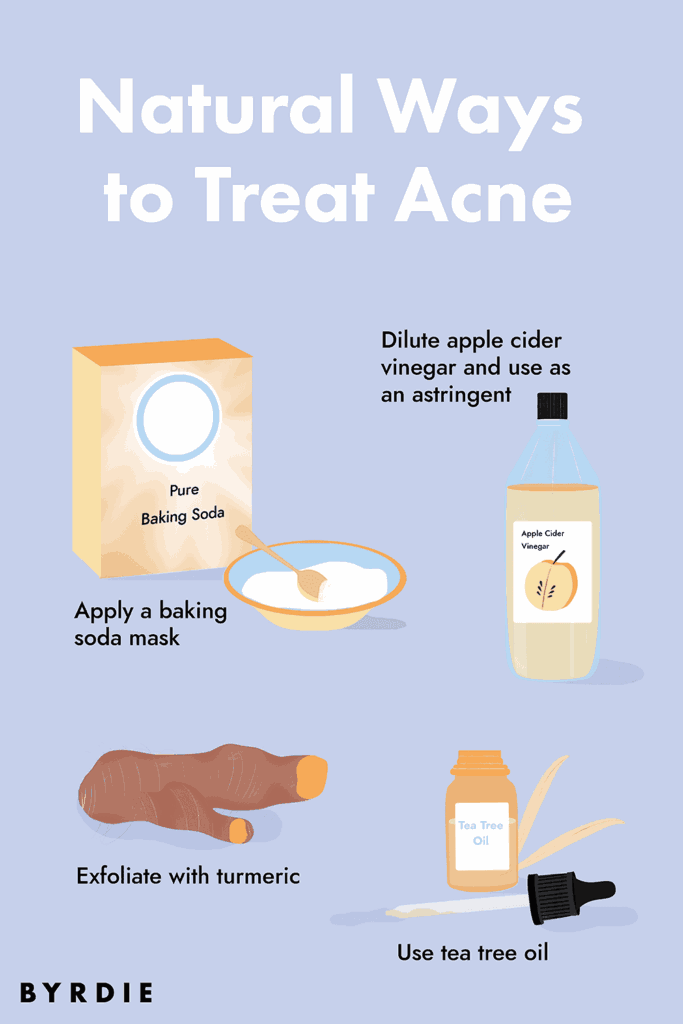
- Topical treatments: Applying natural remedies like tea tree oil, aloe vera, or green clay face masks can help unclog pores and reduce inflammation.
The Importance of Good Hygiene
Maintaining good hygiene is essential for preventing acne. Here are some simple habits to adopt:
- Wash your face twice a day: Use a gentle cleanser and lukewarm water to remove dirt and bacteria.
- Use non-comedogenic products: Choose products labeled “non-comedogenic” or “oil-free” to avoid clogging pores.
Additional Tips for Preventing Acne
In addition to incorporating natural remedies into your routine, here are some additional tips for preventing acne:
- Avoid touching your face: Touching your face can transfer bacteria and oils from your hands to your skin, leading to breakouts.
- Use a wide-brimmed hat: Wearing a hat can help protect your skin from the sun, which is known to trigger acne in some individuals.
- Stay away from stress: Stress can lead to inflammation and increase the risk of acne. Engage in stress-reducing activities like meditation or yoga.
Natural Remedies for Acne Scars
While natural remedies may not completely eliminate acne scars, they can help reduce their appearance by promoting collagen production and reducing inflammation. Here are some effective methods:
- Aloe vera: Aloe vera has anti-inflammatory properties that can help soothe and calm the skin, reducing redness and scarring.
- Tea tree oil: Tea tree oil has antibacterial properties that can help prevent infection and promote healing of acne scars.
Natural Remedies for Acne on the Back
Acne on the back can be challenging to treat due to its location. However, there are several natural remedies that can help:
- Exfoliating scrubs: Exfoliating scrubs containing sugar or salt can help remove dead skin cells and promote cell turnover.
- Tea tree oil: Tea tree oil has antibacterial properties that can help prevent infection and promote healing of acne on the back.
Natural Remedies for Acne during Pregnancy
While natural remedies may not completely eliminate acne during pregnancy, they can help reduce its severity. Here are some effective methods:
- Hyaluronic acid: Hyaluronic acid has anti-inflammatory properties that can help soothe and calm the skin.
- Green tea: Green tea contains antioxidants that can help reduce inflammation and promote healing.
Conclusion
Acne is a common skin condition that can be effectively treated with natural remedies. By understanding the causes of acne, adopting healthy habits, and incorporating acne-fighting foods into your diet, you can reduce your risk of breakouts and achieve clear, glowing skin.
Frequently Asked Questions
Q: Can I get rid of acne permanently?
A: While it’s possible to reduce acne with natural remedies, it’s unlikely that you’ll completely eliminate it. However, by maintaining good hygiene and incorporating acne-fighting foods into your diet, you can significantly reduce breakouts.
Q: How long does it take to see results from natural treatments?
A: The time it takes to see results from natural treatments varies depending on the individual and the severity of acne. With consistent effort and a healthy lifestyle, you may start to notice improvements within a few weeks or months.
Q: Are natural remedies effective for severe acne?
A: While some natural remedies can be effective for mild to moderate acne, they may not be sufficient for severe cases. In such cases, it’s best to consult with a dermatologist for professional guidance and treatment.
Q: Can I use natural treatments in combination with conventional medications?
A: Yes, you can combine natural remedies with conventional medications under the guidance of a healthcare professional. This approach can help you achieve better results and minimize potential side effects.
Q: How do I know which natural remedies are safe for my skin type?
A: Before trying any new remedy, it’s essential to patch test your skin and consult with a dermatologist if necessary. They can recommend the most suitable treatments based on your skin type and concerns.
Q: Can I get rid of acne scars naturally?
A: While some natural remedies may help reduce inflammation and promote collagen production, they may not completely eliminate acne scars. In such cases, it’s best to consult with a dermatologist for professional guidance and treatment options.
Q: How often should I exfoliate my skin while using natural treatments?
A: Exfoliating regularly can help remove dead skin cells and promote cell turnover, but over-exfoliation can lead to irritation and dryness. It’s essential to find the right balance and consult with a dermatologist for personalized advice.
Q: Can I get pregnant with acne?
A: Acne is not directly related to pregnancy, but hormonal fluctuations during this time can cause breakouts. If you’re experiencing severe acne during pregnancy, it’s best to discuss your concerns with your healthcare provider for guidance and treatment options.


