
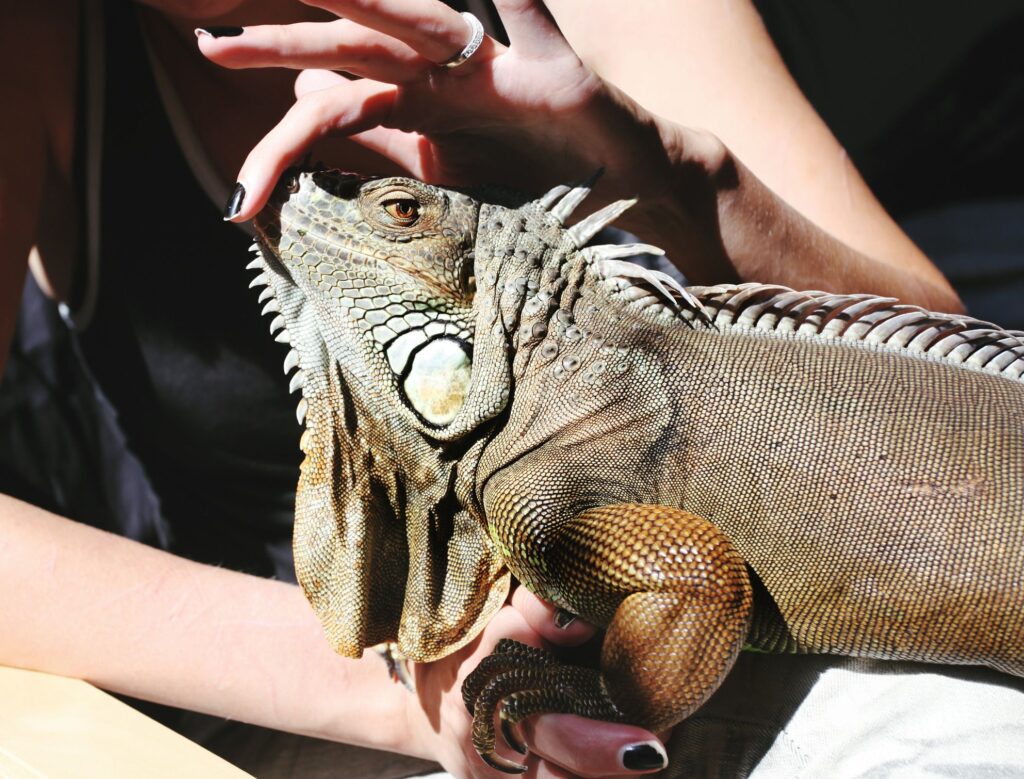
Are you ready to take the plunge and bring a scaly friend into your home? As a responsible pet owner, it’s essential to understand the unique needs of an iguana before making a decision. In this comprehensive guide, we’ll delve into the world of these fascinating creatures, covering their characteristics, care requirements, and everything in between.
What is an Iguana?
Iguanas have become increasingly popular pets due to their gentle nature and impressive size. However, it’s crucial to note that they are not domesticated animals and require specialized care. There are two main species of iguanas commonly kept as pets: the Green Iguana (Iguana iguana) and the Yellow-spotted Monitor Iguana (Cyclura punctata). While they may look similar, these species have distinct characteristics.
Understanding Iguana Behavior
Before bringing an iguana home, it’s essential to grasp their behavior. Iguanas are territorial creatures that thrive in warm environments with plenty of sunlight. In captivity, they can become stressed if not provided with sufficient space and heat sources. Be prepared for a potential hissing fit or aggressive behavior from your new pet!
The Importance of Space
Iguanas require ample space to move around and exercise. A well-equipped enclosure should have dimensions that allow your iguana to stretch out comfortably, including a minimum of 120 cm in height, 120 cm in length, and 60 cm in depth for young iguanas (less than six months old). As they grow, you may need to upgrade their living space multiple times. Research shows that Iguanas can reach impressive sizes – up to 1 meter in length!
Temperature and Humidity: The Key to a Happy Iguana
Iguanas are ectothermic animals, meaning they regulate their body temperature using external sources of heat. Providing a suitable environment is crucial for your iguana’s well-being. A temperature range of 30°C to 35°C (86°F to 95°F) during the day and around 22°C (72°F) at night will help maintain optimal health.
Feeding Your Iguana: A Balanced Diet
As an herbivore, your iguana requires a balanced diet rich in leafy greens, fruits, and vegetables. Research suggests that a varied diet with plenty of calcium supplements is essential for maintaining strong bones and overall health.
Can You Keep an Iguana Free-Range?
Absolutely not! Iguanas require specialized care and are sensitive to changes in their environment. Keeping them in a controlled enclosure ensures they receive the necessary heat, humidity, and protection from potential predators.
How Long Do Iguanas Live?
The lifespan of an iguana can range from 10 to 15 years, depending on various factors such as diet, living conditions, and genetics.
Caring for Your Iguana: Tips and Tricks
To ensure your iguana’s optimal health, consider the following:
- Regular veterinary check-ups (every six months)
- Monitoring their feces for signs of infection or disease
- Providing a balanced diet with plenty of calcium supplements
- Ensuring sufficient space and heat sources in their enclosure
Choosing the Right Enclosure
When selecting an enclosure, prioritize its size, temperature regulation, and humidity control. A well-equipped enclosure will help maintain your iguana’s optimal health and provide them with the environment they need to thrive.
Common Questions About Iguanas
Here are some frequently asked questions about caring for an iguana:
Q: How often should I clean my iguana’s enclosure?
A: Cleaning the enclosure at least once a week will help maintain your iguana’s health and prevent bacterial growth.
Q: Can I handle my iguana daily?
A: Yes, but be cautious not to overhandle your iguana. Gentle handling is essential for building trust and reducing stress.
Q: What are some common health issues in iguanas?
A: Respiratory infections, metabolic bone disease, and nutritional deficiencies can affect an iguana’s health. Regular veterinary check-ups will help identify potential problems early on.
Q: Can I breed my iguana in captivity?
A: Breeding your iguana requires extensive knowledge of their biology and the specific breeding process. It’s essential to research and consult with experienced breeders before attempting to breed your pet.
Q: How do I choose a reputable breeder or supplier?
A: Researching the breeder’s reputation, asking for references from other owners, and ensuring they follow proper husbandry practices will help you make an informed decision when selecting a breeder or supplier.
Q: What are some common mistakes people make when caring for their iguana?
A: Failing to provide sufficient heat sources, not providing enough space, and neglecting regular veterinary check-ups are common mistakes that can lead to health problems for your pet.
Additional Tips
- Provide a UVB light source to ensure calcium synthesis.
- Offer a shallow water dish for drinking and soaking.
- Rotate the temperature and humidity levels in their enclosure regularly to mimic natural conditions.
- Be patient when introducing new items or animals to your iguana’s environment, as they may take time to adjust.
Conclusion
Caring for an iguana requires dedication, research, and attention to detail. By understanding the unique needs of these fascinating creatures, you’ll be well on your way to creating a happy and healthy home for your new scaly friend. Remember to prioritize their space, temperature, humidity, diet, and overall health to ensure a lifelong bond with your beloved pet.
In addition to providing the proper care and attention, it’s essential to stay informed about the latest research and advancements in iguana husbandry. By doing so, you’ll be able to offer the best possible life for your pet and enjoy a rewarding experience as an iguana owner.
If you’re considering bringing an iguana into your home, take the time to learn as much as you can about their behavior, needs, and care requirements. With dedication and patience, you can create a thriving environment that will allow your iguana to flourish and provide years of joy and companionship.


