
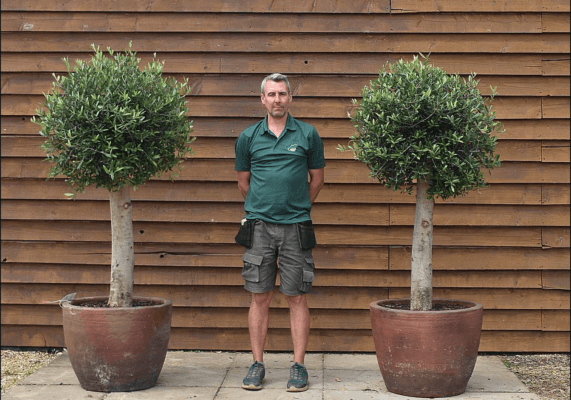
Understanding the Importance of Pruning an Olive Tree
Pruning an olive tree may seem like a mundane task, but it’s essential for maintaining its health and promoting optimal fruit production. Whether you’re looking to enhance your olive tree’s appearance or improve its productivity, pruning is a crucial process that requires attention to detail and a thorough understanding of the tree’s needs.
A Brief History of Olive Tree Cultivation
Olive trees have been cultivated primarily in Mediterranean regions for thousands of years. Today, they can be found not only in Italy, France, and Spain but also around the world. With over 500 varieties, olive trees offer a wide range of options for producers and enthusiasts alike.
The Benefits of Pruning an Olive Tree
Pruning an olive tree serves multiple purposes:
- Promotes fruit production: By controlling the tree’s growth and directing its energy towards fruiting, pruning helps increase yields.
- Improves appearance: Pruning maintains a healthy shape, enhances the tree’s structure, and prevents damage from harsh weather conditions or pests/diseases.
- Enhances biodiversity: Pruning allows for better air circulation, reduces competition among trees, and creates an environment conducive to beneficial insects.
When to Prune an Olive Tree
The ideal time for pruning depends on the specific variety of olive tree. In general, pruning is best performed after the winter season, typically in mid-March or early May, when the weather is mild and temperatures are stable. This allows the tree’s energy to focus on growth rather than responding to stressors.
Pruning for Different Purposes
- Harvesting: Prune branches that bear fruit to encourage new growth and promote future harvests.
- Health: Remove dead, diseased, or damaged branches to prevent the spread of disease and maintain overall tree health.
- Aesthetics: Shape the tree to achieve a desired form, such as a compact, rounded shape.
Pruning for Ornamental Purposes
When pruning an olive tree for ornamental purposes, focus on maintaining its natural shape while creating a visually appealing design. Consider factors like:
- Balanced growth: Ensure that the tree’s branches are evenly distributed and not overgrown.
- Open structure: Maintain an open canopy to allow sunlight to reach lower parts of the tree.
- Symmetry: Create balance and harmony in the tree’s shape by pruning branches to create symmetrical patterns.
Pruning Bonsai Olive Trees
Pruning bonsai olive trees requires a delicate touch, as these miniature trees are often grown in containers. Follow similar principles to those for traditional olive tree pruning:
- Control growth: Prune regularly to maintain the desired size and shape.
- Shape the branches: Use careful pruning to create the desired form and structure.
Pruning Tools for Olive Trees
Invest in high-quality pruning tools, such as a 27 cm pruning saw, to ensure precise cuts and efficient pruning. Additionally, consider using gloves to protect your hands from thorns and other sharp objects.
Common Pruning Mistakes to Avoid
Pruning an olive tree requires attention to detail and a thorough understanding of the tree’s needs. Some common mistakes to avoid include:
- Over-pruning: Removing too many branches can stress the tree and reduce fruit production.
- Under-pruning: Failing to prune regularly can lead to disease and pest issues, as well as reduced yields.
- Pruning at the wrong time: Pruning during hot or dry weather can cause damage to the tree.
Pruning Techniques for Olive Trees
There are several pruning techniques that can be used on olive trees:
- Thinning: Remove select branches to allow more sunlight to reach the fruiting areas.
- Reducing: Cut back overgrown branches to control growth and promote new growth.
- Heading: Trim the top of a branch to control its height and shape.
Pruning Tips for Beginners
For those new to pruning olive trees, here are some tips to get started:
- Start with small tasks: Begin by pruning a single branch or a small section of the tree.
- Use the right tools: Invest in high-quality pruning tools, such as a 27 cm pruning saw and gloves.
- Prune regularly: Regular pruning is essential for maintaining the health and productivity of an olive tree.
Conclusion
Pruning an olive tree is a vital process that requires attention to detail and a thorough understanding of the tree’s needs. By following these guidelines, you can unlock the full potential of your olive tree and enjoy its many benefits.


