
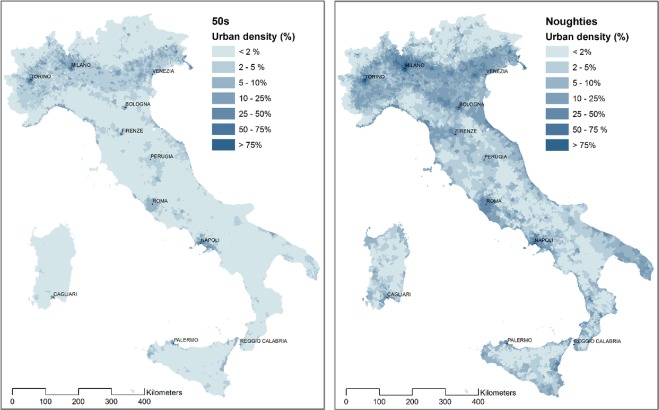
As we walk through the bustling streets of Italy’s cities, it’s hard to ignore the devastating impact of cement and asphalt on the country’s soil. The statistics are alarming: in 2018 alone, 24 meters per square meter of green space were lost for every hectare of area covered by concrete or asphalt. This trend is not limited to urban areas; even rural landscapes are being transformed into barren expanses.
Understanding Soil Loss
The recent report on soil consumption in Italy, published by ISPRA (Istituto Superiore per la Protezione e la Ricerca Ambientale) and the National System for Environmental Protection (Snpa), sheds light on this pressing issue. The data reveals that 51 square kilometers of land were covered with concrete or asphalt, an area equivalent to about 14 hectares every day. This loss of soil is not only a concern for the environment but also has significant implications for our planet’s well-being.
The Consequences of Soil Loss
Soil is more than just a resource; it’s a vital component of our ecosystem, supporting life as we know it. It provides oxygen, filters water, and stores carbon dioxide. The loss of soil not only reduces its ability to perform these functions but also leads to severe environmental consequences. For instance:
- Infiltration: Soil helps absorb rainfall, recharging groundwater aquifers. Without it, this water flows over the surface, contributing to flooding.
- CO2 absorption: Soil plays a crucial role in mitigating climate change by absorbing carbon dioxide from the atmosphere.
- Biodiversity loss: Soil degradation can lead to decreased plant and animal diversity, as well as compromised ecosystem services.
Regional Variations
The impact of soil loss varies significantly across regions. The central and semi-central areas experience the highest rate of cementification, with 15% of the national total lost in these zones. The periphery and less densely populated areas also face significant challenges, with a cumulative 32% loss. Milan stands out as a prime example, losing 11 hectares of green space to concrete and asphalt. Rome follows closely, with 57 hectares of urban land converted into impervious surfaces.
Global Comparison
Italy is not alone in its struggles with soil degradation. The global average for soil cover reduction is 14 hectares per day. However, some regions are faring worse than others. For example, the southeastern United States has lost over 10 million acres of forestland to urbanization and agriculture since 1990.
A Growing Health Concern
As soil quality degrades, so do our health and well-being. Research suggests that exposure to heavy metals and other pollutants in contaminated soils can lead to serious health problems, including cancer and neurological damage.
Action Required
The Italian government must take immediate action to address this critical issue. Defining national standards for soil consumption is essential, as it will help mitigate the effects of urbanization and cementation on our environment. The Ministry of Environment has already acknowledged the need for legislation and has begun consultations with local communities to develop a comprehensive plan.
A Call to Action
We can no longer afford to ignore the alarming rate of soil loss in Italy. We must work together to protect this precious resource, which is essential for our survival. By taking concrete steps to reduce cementation and promote sustainable land use practices, we can ensure a healthier environment for future generations.
Sustainable Solutions
Several innovative solutions are emerging to address the problem of soil loss:
- Green Infrastructure: Incorporating green spaces into urban planning can help mitigate the effects of soil degradation.
- Soil Conservation Techniques: Implementing techniques such as mulching, cover cropping, and contour farming can reduce soil erosion.
- Recycling and Reuse: Encouraging recycling and reuse of building materials can reduce waste and minimize the need for new construction.
Individuals’ Role
While government initiatives are crucial in addressing this issue, individual actions can also make a significant difference:
- Support Sustainable Practices: Promote sustainable land use practices among friends and family.
- Choose Eco-Friendly Products: Opt for products with minimal packaging and environmentally friendly ingredients.
- Educate Yourself: Stay informed about the impact of soil loss on local ecosystems.
Conclusion
The cementation of Italian soil is a pressing environmental concern that requires immediate attention. By understanding the consequences of soil loss, recognizing regional variations, and taking action to protect this vital resource, we can ensure a healthier environment for future generations.
In conclusion, while it may seem like an insurmountable task, there are many steps we can take to address the issue of cementation in Italy. We must continue to raise awareness about this critical issue and work together to find solutions that benefit both our communities and the environment.


