
If you’re a backyard chicken keeper or an egg enthusiast, you know how quickly eggs can accumulate. During periods of high production, freezing eggs can be a lifesaver. Whether you want to conserve more eggs, make room in your fridge, or have a stash for emergencies, this guide will show you the best way to freeze eggs.
Why Freeze Eggs?
Freezing eggs is easier than you think, and it’s a great way to extend their shelf life. Cooked or raw, frozen eggs can be stored for up to a year in the freezer. This means you can enjoy your favorite egg-based dishes throughout the year without worrying about spoilage.
Benefits of Freezing Eggs
Before we dive into the process, let’s explore some benefits of freezing eggs:
- Year-Round Availability: Frozen eggs are available all year round, allowing you to enjoy them regardless of the season or availability.
- Reduced Food Waste: By freezing eggs, you can reduce food waste and make sure that your eggs don’t go bad before you can use them.
- Convenience: Frozen eggs can be easily stored in the freezer and used as needed, making them a convenient option for busy households.
- Space-Saving: Freezing eggs allows you to store more eggs than you would if you were storing them in the fridge or using them up quickly.
How to Freeze Whole Eggs
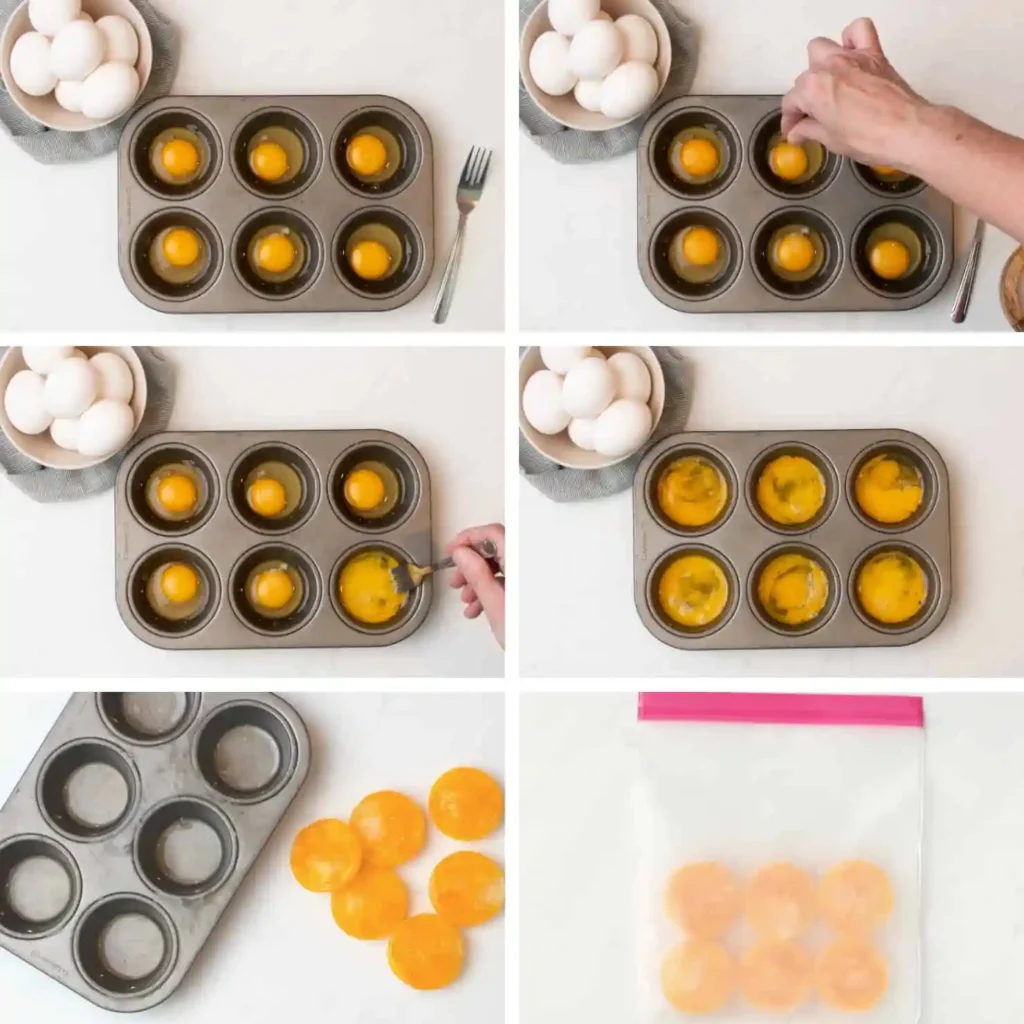
To freeze whole eggs, simply break them into a bowl and whisk them gently, just like you would for a frittata. Add a pinch of salt or sugar (depending on how you plan to use the eggs) to prevent the yolks from becoming too gel-like during freezing.
For every 250 ml of egg mixture (approximately 5-6 eggs), add a half-teaspoon of salt or a tablespoon and a half of sugar. This will help create a more uniform consistency. Before transferring the eggs to a freezer-safe container, gently sift them to ensure they’re evenly mixed.
Transfer the egg mixture to an airtight container, leaving about 2-3 cm (1 inch) between each egg for even freezing. Label the container with the date frozen, the quantity of eggs, and any added ingredients (salt or sugar).
How to Freeze Egg Yolks
If you’ve made a cake or dessert that uses only egg yolks, you can freeze these separately from the whites. Egg yolks will retain their gel-like texture when mixed with egg whites during freezing, so it’s best to separate them first.
Add a half-teaspoon of salt or 1 tablespoon and a half of sugar to each 250 ml (5-6 eggs) of egg yolk mixture for better consistency. Whisk the yolks together for about 3 minutes before transferring them to an airtight container, leaving some space between each layer.
How to Freeze Egg Whites
Like egg yolks, egg whites can also be frozen separately from whole eggs. However, unlike egg yolks, egg whites will retain their structure and texture when mixed with other ingredients during freezing.
To freeze egg whites, mix them together with a little salt or sugar (depending on the intended use) before transferring them to an airtight container. Leave about 1.5 cm (3/4 inch) of space between each layer for even freezing.
How to Freeze Cooled Egg Yolks
Coked egg yolks can also be frozen and used in various dishes without worrying about thermal shock.
Before cooling the egg yolks, gently whisk them together with a pinch of salt or sugar. Once cooled, transfer them to an airtight container and leave some space between each layer for even freezing.
Freezing Egg Yolks: The Best Uses
Coked egg yolks can be used in desserts like ovis molis (delicious biscuits), adding richness and creaminess without the risk of thermal shock. On the other hand, coked egg whites can be used to make meringues, add a binding agent to sauces, or even enhance an otherwise bland salad with a touch of protein.
Freezing Egg Whites: The Best Uses
Coked egg whites can be used in various dishes like:
- Meringues
- Whipped cream
- Custards and puddings
- Soups and sauces
Conclusion
Freezing eggs is easier than you think, and it’s a great way to preserve more for your next baking project. With these simple steps, you can enjoy your favorite egg-based dishes throughout the year without worrying about spoilage.
Tips for Freezing Eggs
Here are some additional tips to keep in mind when freezing eggs:
- Use Airtight Containers: Make sure to use airtight containers or freezer bags to prevent moisture and other flavors from affecting the eggs.
- Label Containers: Label your containers with the date frozen, quantity of eggs, and any added ingredients (salt or sugar).
- Store in the Coldest Part of the Freezer: Store your eggs in the coldest part of the freezer to ensure they stay at a consistent temperature.
- Use Frozen Eggs Within 6 Months: Use frozen eggs within 6 months for optimal flavor and texture.
Common Mistakes to Avoid
Here are some common mistakes to avoid when freezing eggs:
- Over-Whisking: Over-whisking can cause the eggs to become too gel-like, leading to a less desirable texture.
- Using Old Eggs: Using old eggs can result in a less consistent flavor and texture.
- Not Labeling Containers: Not labeling your containers can make it difficult to keep track of how long they’ve been frozen.
Conclusion
Freezing eggs is easier than you think, and with these simple steps, you can enjoy your favorite egg-based dishes throughout the year without worrying about spoilage. Whether you’re a backyard chicken keeper or an egg enthusiast, freezing eggs can be a lifesaver for conserving more eggs, making room in your fridge, or having a stash for emergencies.
By following these tips and avoiding common mistakes, you can ensure that your frozen eggs are safe to eat and retain their flavor and texture. Happy baking!


