
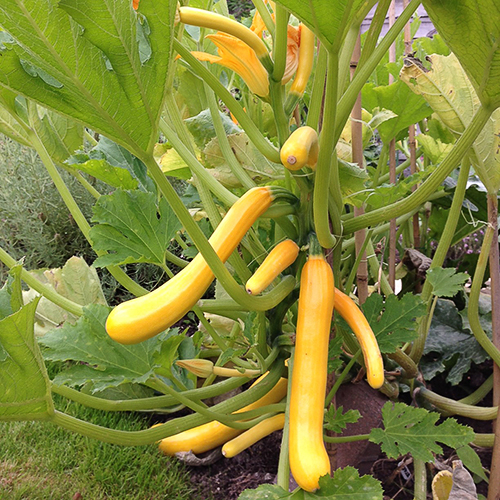
Are you interested in growing your own yellow zucchini? Look no further! In this article, we will explore the benefits of growing yellow zucchini and provide a comprehensive guide on how to cultivate them at home.
What is Yellow Zucchini?
Yellow zucchini, also known as crookneck or straightneck, is a type of summer squash that belongs to the Cucurbitaceae family. It has a slightly sweet and nutty flavor, making it a popular choice for various recipes. The fruit is characterized by its bright yellow color, slender shape, and edible seeds.
Why Grow Yellow Zucchini?
Growing your own yellow zucchini offers several benefits:
- Freshness: By growing your own, you can enjoy the freshest possible produce right in your backyard.
- Cost-effective: Harvesting your own zucchini means saving money on grocery bills.
- Nutritional benefits: Yellow zucchini is rich in vitamins A and C, potassium, and fiber, making it a nutritious addition to a balanced diet.
History of Yellow Zucchini
Yellow zucchini has been a staple crop for thousands of years. Ancient civilizations like the Egyptians and Greeks cultivated summer squash varieties, including yellow crookneck. Today, many hybrid and heirloom varieties are available, offering diverse flavors and textures.
Types of Yellow Zucchini
There are several types of yellow zucchini to choose from:
- Straightneck: A classic variety with a bright yellow color and slender shape.
- Crookneck: A popular variety with a curved neck and slightly sweeter flavor.
- Pattypan: A flat, round variety with a sweet and nutty flavor.
Where to Buy Yellow Zucchini Seeds
You can purchase yellow zucchini seeds from:
- Local nurseries or gardening stores
- Online seed retailers like Amazon
- Seed catalogs that specialize in heirloom and hybrid varieties
Tips for Growing Yellow Zucchini
Here are some essential tips for growing healthy and productive yellow zucchini plants:
- Soil preparation: Use well-draining, fertile soil with a pH between 6.0 and 7.0.
- Sowing seeds: Sow seeds directly in the ground about 1 inch deep and 3-4 inches apart after the last frost date.
- Watering: Water deeply but infrequently to encourage deep root growth and prevent fungal diseases.
- Sunlight: Yellow zucchini plants require full sun, so choose a spot that receives at least 6 hours of direct sunlight per day.
Common Problems with Yellow Zucchini
Keep an eye out for these common issues:
- Pests: Aphids, whiteflies, and squash bugs can be controlled using organic pest control methods like neem oil or insecticidal soap.
- Diseases: Powdery mildew, fusarium wilt, and powdery scab can be treated with fungicides or resistant varieties.
Pest Control Methods
To prevent pests from ruining your crop:
- Companion planting: Planting certain herbs like basil and mint alongside yellow zucchini plants can help repel pests.
- Physical barriers: Row covers or fine mesh can prevent pests from reaching your plants.
- Crop rotation: Rotate your crops to avoid depleting the soil of nutrients and promoting pest buildup.
Organic Pest Control Methods
When dealing with pests, try these organic methods:
- Neem oil: A natural insecticide that can be used to control a wide range of pests.
- Insecticidal soap: A gentle, non-toxic pesticide that can be used to kill soft-bodied insects.
- Diatomaceous earth: A natural powder that dehydrates and kills insects.
Disease Prevention Methods
To prevent fungal diseases from affecting your yellow zucchini plants:
- Fungicides: Use fungicides specifically designed for cucumber and squash diseases to treat affected areas.
- Crop rotation: Rotate your crops to avoid depleting the soil of nutrients and promoting disease buildup.
- Soil improvement: Add organic matter like compost or manure to improve soil structure and fertility.
Harvesting Yellow Zucchini
The ideal time to harvest yellow zucchini depends on the variety. For medium-precoce varieties like ‘Crookneck’, wait until the fruit reaches 6-8 inches long. Regularly inspect your plants for signs of maturity, such as a slight softening at the stem end.
Storage and Preservation
Once you’ve harvested your yellow zucchini, consider storing or preserving it to enjoy throughout the year:
- Cool storage: Store zucchini in a cool, dry place with good air circulation to prolong shelf life.
- Freezing: Blanch zucchini in boiling water for 2-3 minutes before freezing to preserve nutrients and texture.
- Pickling: Slice zucchini thinly and soak it in vinegar-based brine to create tangy pickles.
Conclusion
Growing your own yellow zucchini is an easy and rewarding experience that offers numerous benefits. With proper care and attention, you can enjoy fresh, delicious produce right in your backyard.


