
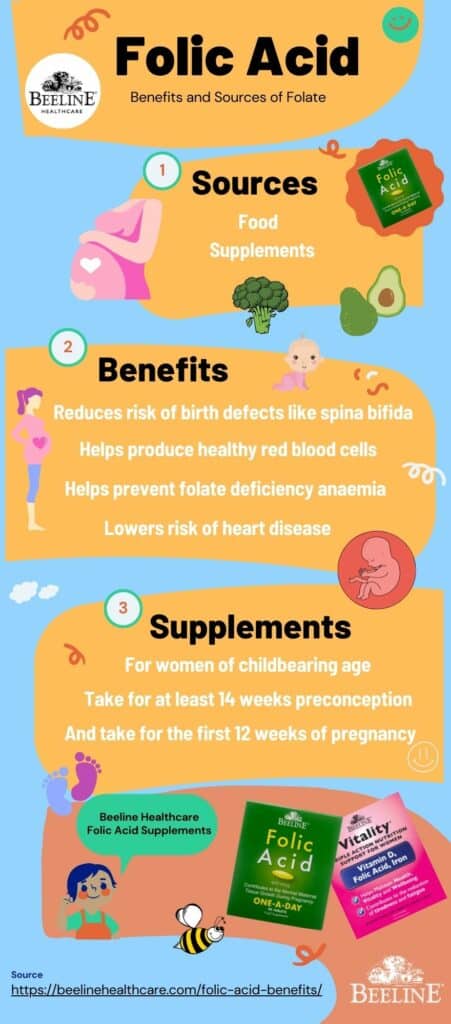
Folic acid is a topic often discussed, but rarely understood. In this article, we will delve into what folic acid is, its benefits, and where to find it.
The Difference between Folic Acid and Folates
Before we begin, let’s clarify the difference between folic acid and folates. Both are vitamin B group members, also known as vitamin B9. However, while folates are naturally present in food, folic acid is a synthetic molecule found in supplements and fortified foods.
Folates are found in various forms throughout nature, including:
- Folate-rich fruits: citrus fruits (oranges, grapefruits), strawberries, blueberries
- Leafy greens: spinach, kale, collard greens
- Legumes: lentils, chickpeas, black beans
- Cruciferous vegetables: broccoli, cauliflower, Brussels sprouts
On the other hand, folic acid is created through a chemical process and is found in supplements and fortified foods. This difference in form can affect how well our bodies absorb and utilize folates.
What Does Folic Acid Do?
Folic acid plays a crucial role in maintaining overall health, particularly when it comes to:
- Red Blood Cell Production: Folic acid helps create red blood cells, which carry oxygen throughout the body.
- Preventing Anemia: By supporting red blood cell production, folic acid can help prevent anemia, especially in individuals with iron deficiency or other blood disorders.
- Maintaining Nervous System and Bone Marrow Health: Folic acid is essential for maintaining healthy nerve cells, bone marrow function, and overall nervous system well-being.
- Benefiting Heart Health: By reducing homocysteine levels in the blood, folic acid can help lower blood pressure, reduce the risk of heart disease, and prevent cardiovascular events.
- Supporting Protein Metabolism: Folic acid is involved in protein metabolism and helps regulate amino acid synthesis.
Homocysteine Levels and Heart Health
Elevated homocysteine levels have been linked to various health issues, including:
- Cardiovascular disease
- Depression
- Mental disorders
By taking folic acid supplements, we can reduce the risk of these conditions by lowering homocysteine levels in the blood.
Folic Acid during Pregnancy
During pregnancy, it’s essential to take folic acid supplements daily between 50-200 mcg. This can prevent birth defects, especially those affecting the central nervous system, and ensure proper fetal development.
Some potential benefits of prenatal folic acid supplementation include:
- Reduced Risk of Birth Defects: Folic acid helps prevent neural tube defects (NTDs), such as spina bifida and anencephaly.
- Improved Fetal Development: By supporting fetal growth and development, folic acid may help ensure that the baby develops properly outside the womb.
- Lowered Risk of Heart Defects: Prenatal folic acid supplementation has been shown to reduce the risk of heart defects in newborns.
Where Can You Find Folic Acid?
Folic acid is not naturally found in food; instead, folates are. However, the form of folic acid is more stable and bioavailable. It can also be found in fortified foods, especially after cooking.
Some rich sources of folates include:
- Leafy greens (spinach, kale)
- Legumes (lentils, chickpeas)
- Cruciferous vegetables (broccoli, cauliflower)
- Citrus fruits (oranges, grapefruits)
You can also find folic acid in fruit and nuts like strawberries, blueberries, and pistachios.
Taking Folic Acid Supplements
If you’re looking to supplement your diet with folic acid, there are many options available. You can buy folic acid supplements in various forms, including capsules or tablets, on Amazon or other online platforms.
When choosing a folic acid supplement, consider the following factors:
- Dosage: Ensure that the supplement contains at least 50-200 mcg of folic acid.
- Formulation: Choose a supplement with a bioavailable form of folic acid, such as methylfolate or pteroylglutamic acid (PGA).
- Interactions: Consult your doctor before combining folic acid supplements with other medications.
Folic Acid for Hair Growth
Folic acid also promotes hair growth by nourishing cells and tissues. It helps maintain healthy hair follicles, leading to faster and healthier hair growth.
To maximize the benefits of folic acid for hair growth:
- Take a balanced diet: Consume a variety of folate-rich foods, including leafy greens, legumes, and citrus fruits.
- Consider supplements: Consult your doctor about taking a high-quality folic acid supplement specifically designed for hair growth.
- Maintain overall health: Ensure that you’re getting enough sleep, staying hydrated, and managing stress to promote optimal hair growth.
Common Misconceptions about Folic Acid
While folic acid has numerous benefits, there are some common misconceptions surrounding its use:
- Not all people respond positively to folic acid supplements.
- Side effects like nausea, stomach discomfort, and irritability may occur in individuals who take too much or have underlying health conditions.
Conclusion
In conclusion, folic acid is a vital nutrient that plays a crucial role in maintaining overall health. By understanding its benefits, sources, and potential side effects, you can make informed decisions about incorporating folic acid into your diet.
If you have any questions or concerns about folic acid, feel free to ask!
Frequently Asked Questions (FAQs)
- Q: How much folic acid should I take during pregnancy?
A: 50-200 mcg daily. - Q: Can I get enough folic acid from food alone?
A: No; folates are naturally present in foods, but folic acid is a synthetic molecule found in supplements and fortified foods. - Q: What are some common side effects of taking folic acid supplements?
A: Nausea, stomach discomfort, irritability, and kidney problems. - Q: Can I take folic acid with other medications?
A: Consult your doctor before combining folic acid with certain medications. - Q: Is it safe for everyone to take folic acid supplements?
A: Folic acid may not be suitable for individuals with kidney problems, infections, or anemia. - Q: Can I get folic acid from other sources besides food and supplements?
A: No; folic acid is primarily found in fortified foods and supplements. - Q: How long should I take folic acid supplements?
A: Consult your doctor to determine the best duration for your specific needs. - Q: Can folic acid help with hair growth?
A: Yes; folic acid promotes healthy hair growth by nourishing cells and tissues.
Note: This article is intended for general information purposes only. If you have any concerns about folic acid or its effects, consult a healthcare professional before making any decisions.



