
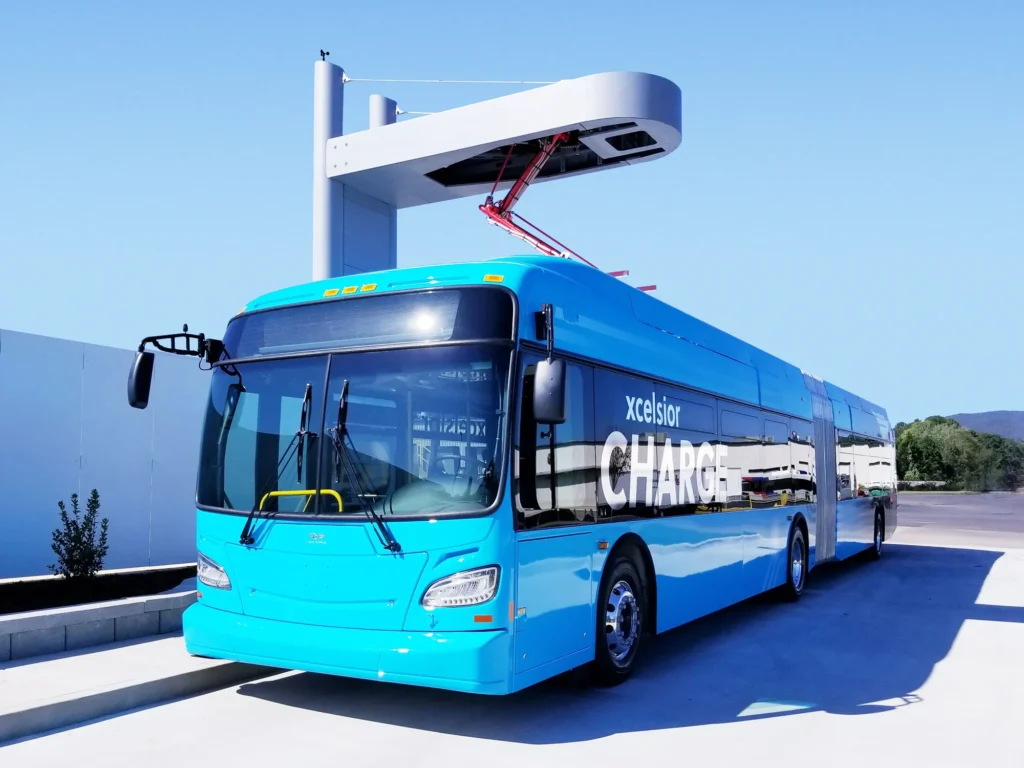
As we look to the future of public transportation, one trend that’s gaining momentum is the adoption of electric buses. In fact, the market for electric buses is expected to experience a significant surge in the coming years, with estimates suggesting that over 75,000 electric buses will be on the road by 2018.
The Rise of Electric Buses: A Growing Market
According to Pike Research, the global market for electric buses is forecast to grow at an annual rate of 26% between now and 2018. This rapid growth is driven by several factors, including declining battery costs, increasing environmental concerns, and government incentives to promote sustainable transportation options.
One of the main drivers of this growth is the increasing awareness of climate change and its impact on the environment. As cities continue to expand and populations grow, there is a growing need for efficient, environmentally friendly transportation solutions. Electric buses offer a viable alternative to traditional diesel-powered buses, which are a major contributor to greenhouse gas emissions.
Challenges in the Electric Bus Market
While there are many benefits to electric buses, one of the main challenges facing the industry is reducing their operating costs relative to traditional diesel-powered buses. To overcome this hurdle, manufacturers have been focusing on developing more efficient motors and battery technologies, which has led to significant improvements in fuel efficiency.
Another challenge facing the electric bus market is the availability of charging infrastructure. As the number of electric buses on the road increases, so too will the demand for public charging points. Governments and private companies are working together to develop a comprehensive network of charging stations, but there is still much work to be done.
The Role of Hybrid Technology
One key technology driving growth in the electric bus market is hybrid powertrains. By combining a conventional engine with an electric motor, these vehicles can achieve impressive fuel economy gains while still providing a reliable and efficient ride. In fact, studies have shown that hybrid buses can reduce energy consumption by as much as 40%.
Hybrid buses also offer a more gradual transition to electric propulsion than all-electric buses. As battery technology improves, manufacturers can continue to increase the proportion of electric power in their vehicles without sacrificing performance or range.
Government Incentives and Market Trends
Governments around the world are playing a crucial role in promoting the adoption of electric buses through incentives such as tax credits, subsidies, and low-emission zones. These initiatives are helping to drive growth in the market, particularly in countries with growing urban populations.
For example, in China, the government has implemented a national policy requiring all new public transportation vehicles to be electric by 2025. Similarly, in Norway, the government has set a goal of banning all fossil fuel-powered buses and trucks by 2026.
Asia Leads the Way
One region that’s expected to lead the way in the adoption of electric buses is Asia. By 2018, the Asia-Pacific region is forecast to have over 15,000 electric buses on the road, making it a major hub for the industry. The growth of cities like Tokyo, Seoul, and Hong Kong has created a strong demand for efficient, environmentally friendly transportation solutions.
China, in particular, is driving innovation in the electric bus sector. Chinese manufacturers such as BYD and BAIC are leading the way in terms of electric bus design and development, with many models featuring advanced battery technologies and high-performance motors.
The European Market: A Promising Prospect
While Europe still lags behind Asia in terms of electric bus adoption, there are signs that the market is starting to gain momentum. With governments setting ambitious targets to reduce greenhouse gas emissions, there’s growing pressure on manufacturers to develop more sustainable transportation options.
For example, the UK government has set a goal of reducing carbon emissions from public transportation by 80% by 2050. Similarly, in Germany, the government has implemented a national policy requiring all new buses and coaches to be electric by 2035.
Emerging Markets: Opportunities for Growth
Finally, emerging markets such as Brazil and Uruguay offer significant opportunities for growth in the electric bus sector. As cities continue to expand and populations grow, there will be an increasing need for reliable, efficient transportation solutions that are environmentally friendly.
In Brazil, for example, the government has implemented a national policy requiring all new public transportation vehicles to be electric by 2025. This initiative is expected to drive growth in the market, particularly in cities like Rio de Janeiro and São Paulo.
Conclusion
As we look to the future of public transportation, one thing is clear: electric buses are set to play an increasingly important role. With declining battery costs, improving technology, and government incentives driving growth, it’s likely that we’ll see over 75,000 electric buses on the road by 2018.
As manufacturers continue to invest in sustainable transportation solutions, we can expect to see a significant reduction in greenhouse gas emissions from public transportation. This will not only help to mitigate climate change but also improve air quality and reduce noise pollution in urban areas.
Frequently Asked Questions
Q: What is driving the growth of the electric bus market?
A: The decline in battery costs, increasing environmental concerns, and government incentives are all contributing factors driving growth in the industry.
Q: How do hybrid buses compare to traditional diesel-powered buses in terms of fuel efficiency?
A: Hybrid buses can achieve impressive fuel economy gains while still providing a reliable and efficient ride. In fact, studies have shown that they can reduce energy consumption by as much as 40%.
Q: What role are governments playing in promoting the adoption of electric buses?
A: Governments around the world are offering incentives such as tax credits, subsidies, and low-emission zones to encourage the development and deployment of electric buses.
Q: Which region is expected to lead the way in electric bus adoption?
A: Asia is forecast to have over 15,000 electric buses on the road by 2018, making it a major hub for the industry.
Q: What are some emerging markets that offer opportunities for growth in the electric bus sector?
A: Brazil and Uruguay are two examples of countries with growing cities and populations, offering significant opportunities for growth in the industry.
Q: How do environmental concerns factor into the decision to adopt electric buses?
A: Environmental concerns are a major driver of demand for electric buses. With the increasing awareness of climate change, there is a growing need for sustainable transportation solutions that reduce greenhouse gas emissions.
Q: What are some challenges facing the electric bus market?
A: One challenge facing the industry is reducing operating costs relative to traditional diesel-powered buses. To overcome this hurdle, manufacturers have been focusing on developing more efficient motors and battery technologies.
Q: How do electric buses compare to traditional diesel-powered buses in terms of cost?
A: Electric buses are becoming increasingly competitive with traditional diesel-powered buses in terms of cost. With declining battery costs and improving technology, it’s likely that we’ll see a decrease in prices over the coming years.
Q: What is the current market size for electric buses globally?
A: According to Pike Research, the global market for electric buses is forecast to grow from just over 5,000 units today to over 75,000 by 2018.


