
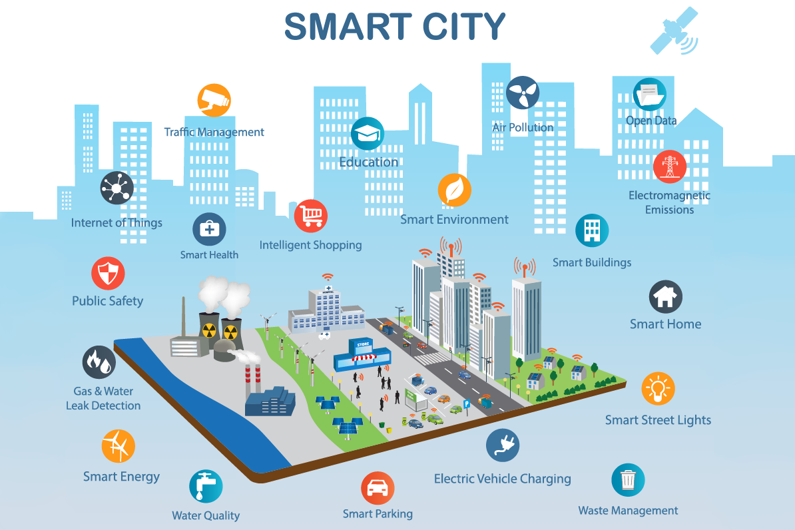
As the world moves towards a more sustainable and intelligent future, smart cities are becoming increasingly dependent on modern and technologically advanced interport facilities. These hubs play a crucial role in connecting Europe’s transportation networks with international logistics systems, providing various options for delivering goods.
The Importance of Interport Facilities in Smart Cities
Interport facilities are the key interface between economic and distributive relationships within a region: they interact with large-scale market areas and super-national markets on one hand, while positioning themselves as the primary player in distributing goods within metropolitan areas. The importance of interport facilities cannot be overstated, as they serve as a critical link between national economies and international trade.
- Hub of Intermodal Transportation: Interporto di Torino, an intermodal hub connecting Europe’s transportation networks with local distribution systems, has taken the lead in promoting a project focused on clean distribution. This project aims to transform logistics platforms like the Interporto di Torino into true drivers of development, integrating concepts of intermodality with those of local distribution using environmentally friendly systems.
- Integration of Technology and Logistics: The project aims to integrate technology and logistics by leveraging the potential of digitalization in various areas of operations. This includes the use of data analytics, artificial intelligence, and the Internet of Things (IoT) to optimize operations and reduce costs.
The Role of Interport Facilities in Smart City Development
Interport facilities are essential for smart city development as they provide a platform for clean and efficient transportation. The Interporto di Torino has implemented two key projects: the “Clean Distribution” project, which focuses on developing clean transportation methods; and the “E-park” project, which aims to establish the Interporto as a hub for energy-efficient logistics.
- Clean Transportation Methods: The “Clean Distribution” project involves implementing ZEV (Zero Emission Vehicle) technology and utilizing existing railway lines to reduce carbon emissions. This initiative demonstrates the potential of interport facilities in reducing their environmental impact.
- Energy-Efficient Logistics: The “E-park” project focuses on creating an energy-efficient logistics system that serves the entire metropolitan area. This initiative aims to minimize the Interporto’s carbon footprint while optimizing operations.
The Benefits of Smart Ports
Smart ports offer a range of benefits, including:
- Increased Efficiency: Smart ports can optimize operations through the use of data analytics and artificial intelligence, reducing costs and increasing productivity.
- Improved Sustainability: Smart ports can reduce their environmental impact by implementing clean transportation methods and energy-efficient systems.
- Enhanced Customer Experience: Smart ports can provide a better customer experience through the use of digital technologies, such as online platforms and mobile apps.
Challenges and Opportunities
While smart ports offer numerous benefits, they also present several challenges and opportunities for growth:
- Investment in Infrastructure: Smart ports require significant investment in infrastructure, including technology and equipment.
- Workforce Development: Smart ports need skilled workers to operate and maintain the latest technologies.
- Integration with Other Systems: Smart ports must integrate with other systems, such as transportation networks and logistics platforms.
Conclusion
Smart ports are essential components of smart city development, providing clean and efficient transportation methods. The Interporto di Torino has taken a lead in promoting these initiatives, aiming to create a sustainable future for its citizens.
Frequently Asked Questions
- What is the role of interport facilities in smart cities?
Interport facilities are crucial for connecting Europe’s transportation networks with international logistics systems, providing various options for delivering goods. - How can clean distribution methods be implemented?
Clean distribution methods can be implemented through the use of ZEV technology and utilizing existing railway lines to reduce carbon emissions. - What is the purpose of the “E-park” project?
The “E-park” project aims to establish the Interporto as a hub for energy-efficient logistics, serving the entire metropolitan area. - How can smart ports contribute to sustainable development?
Smart ports can contribute to sustainable development by providing clean and efficient transportation methods, reducing carbon emissions, and promoting environmentally friendly systems.


