
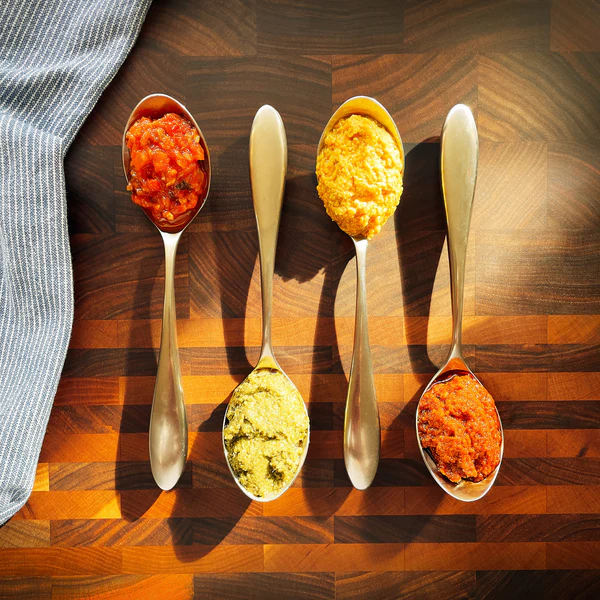
The Fascinating World of Pesto: Exploring the Various Types and Flavors
When it comes to Italian cuisine, one condiment stands out for its rich flavors and versatility – pesto. This beloved sauce has been a staple in Italian cooking for centuries, with various regions developing their unique recipes and ingredients. In this article, we’ll embark on a journey to explore the diverse types of pesto, from classic Genovese to lesser-known varieties, and discover how each one can elevate your pasta dishes.
The Origins of Pesto
Who says that pesto is only made from Genovese or Trapanese style? The culinary creativity and traditional Italian gastronomy provide a range of condiments to serve with meats, crostini, fish, or pasta. From the Mediterranean coast to the Tuscan countryside, each region has its own twist on this iconic sauce.
Types of Pesto
In this article, we’ll provide suggestions, ideas, and recipes for various types of pestos to serve with pasta and other dishes. We’ll start by covering the most common pesto varieties and then move on to lesser-known ones.
Pesto Genovese
The classic Ligure recipe that is achieved by pounding basil, salt, pine nuts, garlic, Parmesan cheese, pecorino cheese, and extra-virgin olive oil. This timeless combination has been perfected over the centuries, making it a staple in Italian cuisine.
Pesto Trapanese
This Sicilian version of the classic Genovese pesto is famous for its delicious flavor. The recipe typically consists of 250 grams of ripe tomatoes, 50 grams of pine nuts, 50 grams of basil, one red garlic clove, a spoonful of pecorino cheese, and freshly ground black pepper.
Pesto Melanzane
Melons are cooked before being pounded: simply peel them, poke holes in them with a skewer, and bake them at 200°C for about 20-25 minutes. The pesto made from melanzana should be enriched with basil leaves, garlic clove, grana cheese, and a drizzle of olive oil.
Pesto di Bietole
The preparation is similar to the classic Genovese pesto, but the basil is replaced by biete (or coste). Pin nuts are added as well. Linguine pasta is best paired with this pesto, and some remaining chopped walnuts can be used for garnish.
Pesto Broccoli
This recipe requires 320 grams of broccoli, 30 grams of pine nuts, 30 grams of Parmesan cheese, 15 grams of basil, 70 grams of extra-virgin olive oil, and 15 grams of peeled almonds (with salt and pepper to taste). The pesto is prepared after blanching the broccoli, which then needs to be cooled in an ice-filled bowl so that it remains firm and crunchy.
Pesto di Noci o Pesto di Noci e Pinoli
To achieve a smooth consistency for the nut pesto, ricotta is used. In general, 100 grams of nuts are combined with 60 grams of ricotta. Alternatively, you can create this pesto by mixing 100 grams of nuts with 80 grams of grated Parmesan cheese, 20 grams of pine nuts, some fresh mint leaves, and 60 ml of olive oil.
Pesto di Pistacchi
Water is added to the recipe to make it more fluid. The ingredients for this pesto are 200 grams of pistachios, 100 ml of water, 80 ml of olive oil, 5 grams of basil (about 3-4 leaves), one clove of garlic, a grated lemon peel, and 45 grams of grana Padano cheese.
Pesto di Zucchine
Raw zucchini is used: simply grate it before pounding. The ingredients for this pesto are the same as those in the classic Genovese pesto, but with an increased amount of basil leaves (10 grams) for 200 grams of zucchini.
Exploring More Pesto Varieties
These few examples represent just some of the many types of pestos available to serve with pasta, bread, meats, and fish. Here are a few more:
- Pesto di Funghi: A mushroom-based pesto that combines earthy flavors with fresh basil.
- Pesto di Barbabietole Rosse: A sweet potato-based pesto with a hint of spice.
- Pesto alla Menta: A refreshing mint-based pesto perfect for springtime dishes.
- Pesto al Cavolo Nero: A kale-based pesto packed with nutrients and flavor.
- Pesto alle Erbe di Campo: A wild herb-based pesto that showcases the flavors of the countryside.
Tips and Tricks
When it comes to making your own pesto, here are a few tips and tricks to keep in mind:
- Freshness matters: Use the freshest ingredients possible, especially when it comes to basil and garlic.
- Don’t overprocess: Be careful not to overprocess the basil, as this can lead to a bitter flavor.
- Experiment with flavors: Don’t be afraid to try new combinations of ingredients and flavors to create your own unique pesto recipe.
Conclusion
In conclusion, the world of pesto is vast and diverse, offering a range of flavors and ingredients to suit every taste. Whether you’re a fan of classic Genovese or adventurous with new recipes, there’s always something new to discover in this fascinating world of condiments.
Frequently Asked Questions (FAQs)
Q: What is the best type of basil for making pesto?
A: The best type of basil for making pesto is sweet basil. It has a milder flavor and aroma than other types of basil, which makes it perfect for blending with olive oil and creating a smooth pesto sauce.
Q: Can I make pesto without pine nuts?
A: Yes, you can make pesto without pine nuts. Simply omit them from the recipe or substitute with another nut like walnuts or almonds.
Q: How do I store pesto?
A: Pesto should be stored in an airtight container in the refrigerator to prevent spoilage. It’s best consumed within a few days of making.
Q: Can I freeze pesto?
A: Yes, you can freeze pesto for later use. Simply scoop it into an ice cube tray and store it in the freezer until ready to use.
Q: How do I make pesto without garlic?
A: You can make pesto without garlic by omitting it from the recipe or substituting with another flavor like onion or shallot.
Q: Can I use different types of cheese for making pesto?
A: Yes, you can use different types of cheese for making pesto. Parmesan and Pecorino are classic choices, but you can also experiment with other cheeses like goat cheese or feta.


