
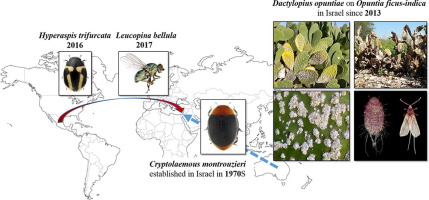
Citrus mealybugs are a type of insect that infests citrus plants, causing significant damage to their leaves and fruits. These tiny insects feed on the plant’s sap, producing honeydew, which attracts other pests and promotes fungal growth.
The Dangers of Citrus Mealybugs
If left unchecked, citrus mealybug infestations can lead to reduced fruit production, distorted leaves, and even death of the plant. In severe cases, mealybugs can also spread disease-causing fungi, further exacerbating the problem.
Citrus mealybugs are not only a nuisance but also have significant economic implications for citrus farmers and gardeners. They can cause damage to the plant’s vascular system, leading to reduced fruit quality and quantity. The infestation can also lead to the spread of diseases such as greasy spot, citrus canker, and citrus leaf rust.
Identifying Citrus Mealybugs
Adult mealybugs are typically white or yellowish in color, with a waxy, cottony coating on their bodies. They secrete this substance to protect themselves from predators and insecticides. Female mealybugs can lay multiple eggs on citrus leaves, which hatch into larvae that feed on the plant’s sap.
Mealybugs can be identified by the following characteristics:
- White or yellowish color
- Waxy, cottony coating
- Small size (about 1-2 mm in length)
- Flat, oval-shaped body
- Long, thin antennae
The Life Cycle of Citrus Mealybugs
Citrus mealybugs complete four generations per year, with the most active period being between April and June. During this time, females can lay up to 80 eggs, which can lead to rapid infestation.
The life cycle of citrus mealybugs is as follows:
- Egg stage: Female mealybugs lay eggs on citrus leaves.
- Larval stage: Eggs hatch into larvae that feed on the plant’s sap.
- Nymphal stage: Larvae molt several times before reaching adulthood.
- Adult stage: Adult mealybugs emerge and begin reproducing.
How to Manage Citrus Mealybugs
To prevent or control citrus mealybug infestations, it’s essential to adopt a multi-faceted approach:
- Preventive measures: Apply insecticidal soap or neem oil during the fruiting period (February to April) to prevent eggs from hatching.
- Biological control: Encourage natural predators, such as ladybugs and lacewings, which feed on mealybugs.
- Chemical control: Use systemic insecticides, such as imidacloprid or dinotefuran, to target mealybug populations.
Organic Methods for Managing Citrus Mealybugs
In addition to the methods mentioned above, consider using:
- Oiling: Apply a thin layer of refined mineral oil to the affected leaves.
- Diatomaceous earth: Sprinkle this powder on the soil around your citrus plants to dehydrate and kill mealybugs.
Choosing the Right Insecticide for Your Citrus Plants
When selecting an insecticide, keep in mind:
- Systemic insecticides: Effective against mealybug eggs and larvae.
- Non-systemic insecticides: Target adult mealybugs but may not reach eggs or larvae.
The choice of insecticide depends on the severity of the infestation, the type of citrus plant, and the time of year. It’s essential to read the label carefully and follow the instructions to avoid harming the plant or other beneficial organisms.
Frequently Asked Questions
Q: What is the best time to apply insecticides for citrus mealybug control?
A: Apply insecticides during the fruiting period (February to April) when females are most active.
Q: Can I use neem oil as a preventive measure against citrus mealybugs?
A: Yes, neem oil can be used as a preventive measure during the fruiting period to prevent eggs from hatching.
Q: How often should I inspect my citrus plants for signs of mealybug infestation?
A: Regularly inspect your citrus plants, especially after pruning or watering, to detect early signs of mealybugs.
Q: Can citrus mealybugs be controlled using biological methods?
A: Yes, encouraging natural predators like ladybugs and lacewings can help control mealybug populations.


