
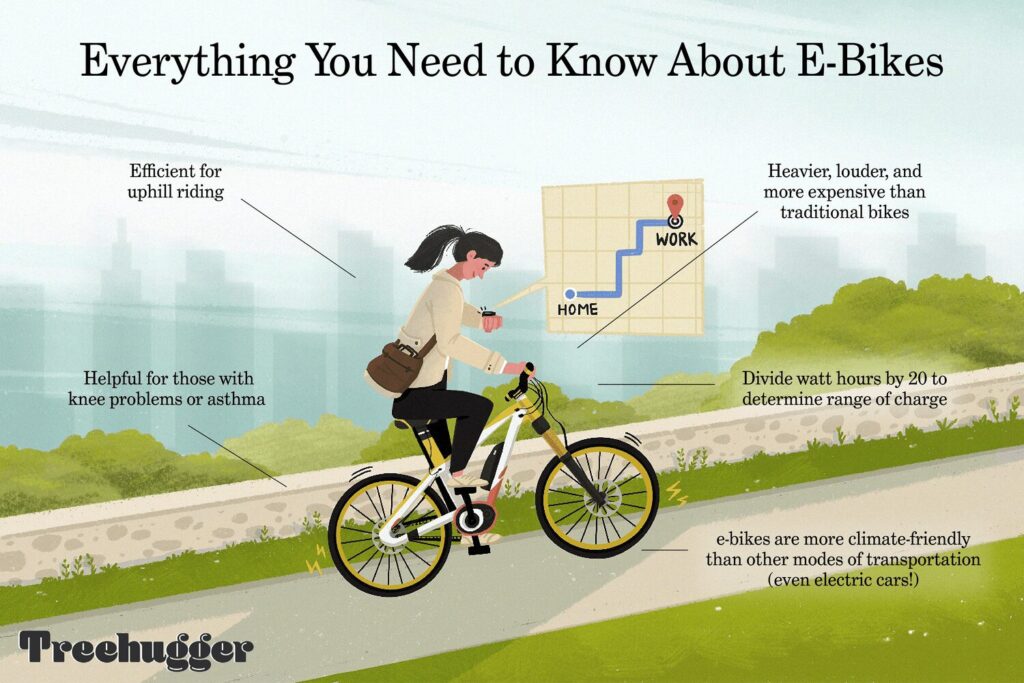
Introduction
The bicycle, a mode of transportation that has been around for centuries, is now more efficient and environmentally friendly than ever. The introduction of pedal-assist bicycles (also known as e-bikes or pedelecs) has revolutionized the way we think about cycling. In this article, we will explore the world of pedal-assist bicycles, their benefits, and what to look for when buying one.
What are Pedal-Assist Bicycles?
Pedal-assist bicycles are designed to provide assistance to riders who need it most. They feature an electric motor that assists the rider’s pedaling effort, making it easier to ride uphill or over long distances. The motor is typically powered by a rechargeable battery and can be adjusted to different levels of assist.
Types of Pedal-Assist Bicycles
There are two main types of pedal-assist bicycles:
- Pedelec (Pedal Electric Cycle): This type of bicycle features an electric motor that assists the rider’s pedaling effort only when they are pedaling. It is designed to provide assistance at low speeds, typically up to 25 km/h.
- Throttle-Assisted Pedal-Assist: This type of bicycle features a throttle that can be used to propel the bike without pedaling. However, some countries have laws that prohibit the use of throttles on pedal-assist bicycles.
Key Features to Consider
When buying a pedal-assist bicycle, there are several key features to consider:
- Motor Power: The motor power is measured in watts (W). A higher wattage motor provides more assistance.
- Battery Capacity: The battery capacity is measured in ampere-hours (Ah). A larger battery means longer riding times.
- Range and Speed: The range and speed of the bicycle depend on various factors, including terrain, weight, and rider efficiency.
- Assistance Modes: Some pedal-assist bicycles offer different assistance modes, such as eco-mode or sport mode.
Benefits of Pedal-Assist Bicycles
Pedal-assist bicycles offer numerous benefits, including:
- Increased Efficiency: Pedal-assist bicycles can increase the efficiency of your ride by reducing fatigue and improving cardiovascular fitness.
- Reduced Emissions: By providing assistance to riders who need it most, pedal-assist bicycles can reduce emissions and promote sustainable transportation.
- Improved Accessibility: Pedal-assist bicycles make cycling more accessible to people with mobility issues or those who struggle with hills.
Things to Consider Before Buying
Before buying a pedal-assist bicycle, consider the following factors:
- Budget: Pedal-assist bicycles can range from affordable to very expensive. Set a budget and look for bicycles that fit within it.
- Usage: How often will you use the bicycle? If you’ll be using it frequently, consider a more powerful motor and larger battery.
- Terrain: Will you be riding on flat terrain or uphill? Consider a bicycle with a higher wattage motor if you’ll be riding on hills.
Top-Of-The-Line Pedal-Assist Bicycles
Here are some top-of-the-line pedal-assist bicycles to consider:
- Bosch e-Bike Neox Crosser: This bicycle features a powerful 250W motor and a range of up to 60 km.
- Panasonic eBike: This bicycle offers a high-performance motor and a range of up to 80 km.
- Samsung eBike: This bicycle features an advanced assist system and a range of up to 100 km.
FAQs
Here are some frequently asked questions about pedal-assist bicycles:
- Q: Are pedal-assist bicycles suitable for everyone?
A: Pedal-assist bicycles are not suitable for everyone, especially those with certain health conditions or mobility issues. - Q: Can I ride a pedal-assist bicycle on any terrain?
A: No, pedal-assist bicycles should only be ridden on designated bike paths or roads. - Q: How do I charge my pedal-assist bicycle?
A: Most pedal-assist bicycles come with a charger that can be plugged into a wall outlet or a car socket. - Q: Can I adjust the assist level on my pedal-assist bicycle?
A: Yes, most pedal-assist bicycles have an adjustable assist level that allows you to customize the amount of assistance provided. - Q: Are pedal-assist bicycles covered by insurance?
A: Some insurance companies cover pedal-assist bicycles, but it depends on your specific policy and location.
Conclusion
Pedal-assist bicycles offer a unique combination of efficiency, accessibility, and sustainability. When buying a pedal-assist bicycle, consider factors such as budget, usage, terrain, and assist level to ensure you find the right one for your needs. With the right bike and knowledge, you can enjoy the benefits of pedal-assist bicycles while exploring new horizons on two wheels.
In addition to the benefits mentioned earlier, pedal-assist bicycles also offer:
- Improved Cardiovascular Fitness: Regular use of a pedal-assist bicycle can improve cardiovascular fitness and overall health.
- Increased Social Interaction: Cycling with friends or family members can be a great way to build relationships and enjoy quality time together.
- Environmental Benefits: By providing an alternative to driving, pedal-assist bicycles can reduce greenhouse gas emissions and contribute to a more sustainable transportation system.
Tips for Riding a Pedal-Assist Bicycle
Here are some tips for riding a pedal-assist bicycle:
- Always follow local bike laws and regulations.
- Wear protective gear, including a helmet and knee pads.
- Start with short rides and gradually increase distance and intensity as you build fitness.
- Practice using the throttle (if applicable) to maintain speed and control.
- Be aware of your surroundings and anticipate potential hazards.
By following these tips and considering the key features, benefits, and FAQs mentioned earlier, you can enjoy a safe and rewarding cycling experience with a pedal-assist bicycle.


