
The Virtual Office: A Key to Sustainability
In the quest for a more sustainable future, one of the most effective ways to reduce our ecological footprint is by adopting environmentally friendly habits at home. However, when it comes to applying these habits in the office setting, many employees struggle with making the transition.
As we delve into the world of telecommuting and virtual offices, it’s essential to understand how this shift can impact our daily lives and the environment. In this article, we’ll explore the findings of a recent study on “The Telework Advantage” conducted by uSamp for TeamViewer, a leading provider of remote control software and online meeting solutions.
The Rise of Remote Work
With more people working from home than ever before, it’s clear that there’s been a significant shift in the way we approach our daily commutes. According to the study, 74% of Americans report turning off lights when not in use at home, while only 32% say they do so in the office. This difference is striking, and it highlights the importance of making environmentally conscious choices in both our personal and professional lives.
Sustainable Habits in the Workplace
So, what can be done to encourage employees to adopt more sustainable habits in the office? The study reveals that many individuals are already taking steps towards reducing their environmental impact. For instance:
- 53% of respondents report printing documents in minimal quantities
- 50% turn off computers at night
- 39% recycle paper and other materials
- 34% prefer tap water to bottled water
These habits may seem small, but they can collectively make a significant difference when implemented by large numbers of employees.
The Impact on the Environment
But what about the impact of telecommuting on the environment? According to the study, working from home results in a reduction in resource consumption. Respondents report using:
- Less paper for printing
- Reduced electricity usage
- Fewer highlighters and pens
- Less water in their showers
These reductions can lead to significant decreases in greenhouse gas emissions and help mitigate climate change.
The Financial Benefits
In addition to the environmental benefits, telecommuting also has financial advantages. According to the study, employees report saving:
- $1-20 per day
- $21-40 per day
- Over $40 per day
- Even more than $80 per day
These savings can add up quickly and provide a significant boost to an employee’s bottom line.
The Role of Environmental Concerns
But what drives employees to make environmentally conscious choices in the workplace? The study reveals that 42% of respondents say environmental concerns weigh heavily on their decision-making process when it comes to telecommuting. This is a positive sign, as it indicates that employees are taking their responsibility to reduce their ecological footprint seriously.
Conclusion
In conclusion, the findings of this study highlight the importance of adopting sustainable habits in both our personal and professional lives. By making environmentally conscious choices at home and in the office, we can significantly reduce our ecological footprint and contribute to a more sustainable future.
As we continue to navigate the world of telecommuting and virtual offices, it’s essential that we prioritize sustainability and take steps towards reducing our impact on the environment.
Frequently Asked Questions
- How much do employees typically save by working from home?
- $1-20 per day
- $21-40 per day
- Over $40 per day
- Even more than $80 per day
- What percentage of respondents report turning off lights in the office?
- 32%
- How much paper do employees typically print at work?
- Minimal quantities
- What is the average amount saved by employees working from home per day?
- $21-40 per day
- Do you prefer to use tap water or bottled water in your workplace?
- Tap water
- How often do employees turn off their computers at night?
- Every night
- What percentage of respondents report recycling paper and other materials?
- 39%
- Can you explain the benefits of telecommuting for employees and the environment?
- Employees save time and money by working from home, while also reducing their ecological footprint.
- The study highlights the importance of making environmentally conscious choices in both our personal and professional lives.
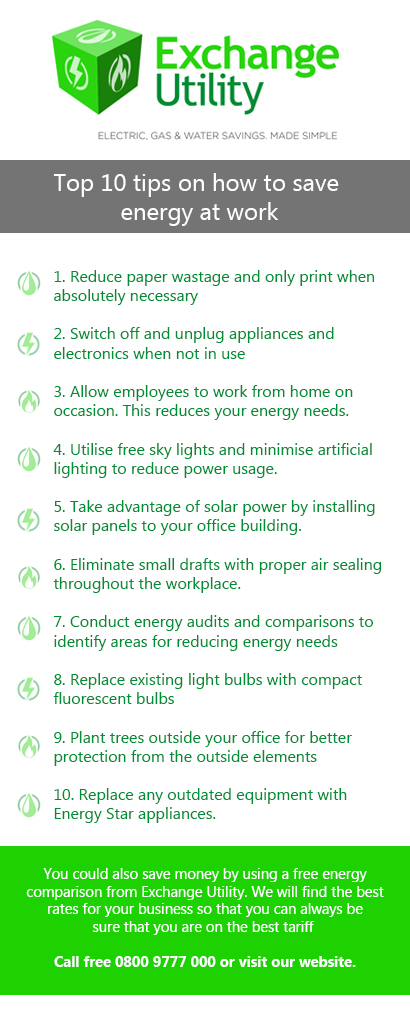
Additionally, there are several ways to implement sustainable practices in a virtual office setting. Some ideas include:
- Using energy-efficient equipment and lighting
- Encouraging employees to use reusable water bottles and coffee cups
- Implementing a recycling program for paper and other materials
- Providing incentives for employees to reduce their carbon footprint
By making these changes, businesses can not only reduce their environmental impact but also improve employee morale and productivity.
In conclusion, the virtual office is an attractive option for those who value sustainability. With its benefits of reduced resource consumption, financial savings, and environmental responsibility, it’s clear that this shift has become here to stay. By embracing sustainable practices in our daily lives, we can work towards a brighter future for generations to come.


