
Introduction
As more and more people seek ways to bring the outdoors in, home gardening has become an increasingly popular hobby. With the rise of DIY projects, people are now looking for creative ways to grow their own food at home. One innovative solution is the Nano Garden, a futuristic indoor garden that uses hydroponics to create a self-sustaining ecosystem.
What is Hydroponic Gardening?
Before we dive into the world of the Nano Garden, let’s take a closer look at hydroponic gardening. Hydroponics is a method of growing plants without soil, using nutrient-rich water instead. This technique allows for maximum control over the environment, reducing waste and increasing crop yields.
History of Hydroponics
Hydroponics has been around for centuries, with ancient civilizations such as the Chinese and Greeks experimenting with irrigation systems to grow crops in dry environments. However, it wasn’t until the mid-20th century that hydroponics began to gain popularity as a method of growing crops indoors.
The Benefits of Hydroponic Gardening
So why choose hydroponic gardening? Here are just a few benefits:
- Increased crop yields: Hydroponics allows for maximum control over the environment, resulting in increased crop yields and improved plant health.
- Reduced water usage: By using nutrient-rich water instead of soil, hydroponics reduces water waste and conserves this precious resource.
- Lower fertilizer costs: Hydroponics eliminates the need for fertilizers, reducing the environmental impact of these chemicals.
- Improved plant health: Hydroponics allows for precise control over the environment, resulting in healthier plants and reduced disease.
How Does Hydroponic Gardening Work?
Hydroponic gardening involves growing crops in a nutrient-rich solution rather than soil. This solution is typically made up of water, nutrients, and pH balancers. The solution is pumped through a system that delivers it to the roots of the plant, where it can absorb the necessary nutrients.
Types of Hydroponics
There are several types of hydroponics, each with its own unique benefits and challenges:
- NFT (Nutrient Film Technique) Hydroponics: This method involves growing crops in long, narrow tubes filled with a nutrient-rich solution.
- Ebb and Flow (Flood and Drain) Hydroponics: This method involves flooding the growing area with water and then draining it to allow the roots to absorb nutrients.
- DWC (Deep Water Culture) Hydroponics: This method involves growing crops in a bucket or container filled with a nutrient-rich solution.
The Nano Garden
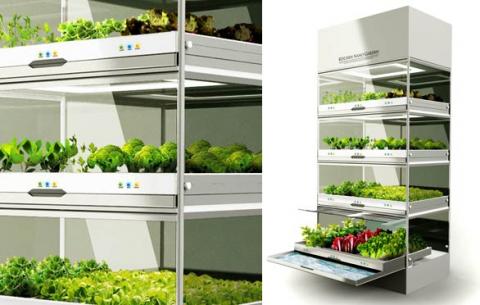
The Nano Garden is a compact, indoor garden that uses hydroponics to grow a variety of fruits and vegetables. This innovative system allows for maximum control over the environment, ensuring optimal growing conditions for your plants.
Key Features of the Nano Garden
So what makes the Nano Garden so special? Here are some key features:
- Compact design: The Nano Garden is designed to be compact and space-efficient, making it perfect for small spaces.
- Self-sustaining ecosystem: The Nano Garden uses a combination of hydroponics, LED lighting, and advanced sensors to create an optimal growing environment.
- Adjustable lighting and watering systems: The Nano Garden allows users to adjust the lighting and watering systems to optimize growing conditions for their plants.
- Real-time monitoring system: The Nano Garden comes equipped with a real-time monitoring system that allows users to track the health and progress of their crops.
How Does the Nano Garden Work?
The Nano Garden uses a combination of hydroponics, LED lighting, and advanced sensors to create an optimal growing environment. The system is designed to be easy to use and maintain, with a simple interface that allows users to monitor and adjust their garden remotely.
Components of the Nano Garden
The Nano Garden consists of several key components:
- Growing chamber: This is where the crops are grown.
- Pumping system: This delivers the nutrient-rich solution to the growing area.
- LED lighting system: This provides optimal light conditions for plant growth.
- Sensors and monitoring system: This tracks the health and progress of the crops.
Advantages of the Nano Garden
So why should you choose the Nano Garden? Here are just a few advantages:
- Increased crop yields: The Nano Garden’s advanced sensors and monitoring system allow for precise control over the environment, resulting in increased crop yields.
- Reduced water usage: By using a nutrient-rich solution instead of soil, the Nano Garden reduces water waste and conserves this precious resource.
- Improved plant health: The Nano Garden’s adjustable lighting and watering systems ensure optimal growing conditions for your plants.
Disadvantages of the Nano Garden
While the Nano Garden is an innovative system with many benefits, there are also some potential disadvantages to consider:
- High upfront cost: The Nano Garden is a high-tech system that requires significant investment.
- Space requirements: While the Nano Garden is compact, it still requires a significant amount of space for optimal growing conditions.
- Limited crop selection: The Nano Garden is designed to grow specific crops, limiting your options if you’re looking to grow something else.
Conclusion
The Nano Garden is an innovative system that offers many benefits for home gardeners. With its compact design and self-sustaining ecosystem, this futuristic indoor garden is perfect for small spaces. Whether you’re a seasoned gardener or just starting out, the Nano Garden is definitely worth considering.
Frequently Asked Questions
Q: How much space does the Nano Garden require?
A: The Nano Garden occupies approximately the same amount of space as a refrigerator.
Q: Is the Nano Garden easy to use and maintain?
A: Yes, the Nano Garden has a simple interface that allows users to monitor and adjust their garden remotely.
Q: What types of plants can be grown with the Nano Garden?
A: The Nano Garden is designed to grow a variety of fruits and vegetables.
Q: How long does it take for plants to mature in the Nano Garden?
A: The length of time it takes for plants to mature will depend on factors such as the type of plant, growing conditions, and care.
Q: Is the Nano Garden suitable for beginners?
A: Yes, the Nano Garden is designed to be easy to use and maintain, making it perfect for both seasoned gardeners and newcomers.
Q: Can I customize my Nano Garden with different lighting and watering systems?
A: Yes, the Nano Garden allows users to adjust the lighting and watering systems to optimize growing conditions for their plants.
Q: Is the Nano Garden environmentally friendly?
A: Yes, the Nano Garden uses hydroponics to minimize water usage and reduce waste.


