
Are you considering installing a solar panel system, but unsure about the cost? Look no further! This article will guide you through the process of determining the cost of a solar panel system and exploring the benefits it offers. We’ll also delve into the components that make up a typical solar panel system and discuss how to maximize your energy savings.
Understanding Solar Panel Systems
A solar panel system is composed of several key components, including:
- Solar panels: These are the photovoltaic cells that convert sunlight into electricity.
- Inverter: This device converts the direct current (DC) power generated by the solar panels into alternating current (AC) power, which can be used in homes and businesses.
- Mounting system: This is the structure that holds the solar panels in place on a roof or ground-mounted rack.
- Monitoring system: This system tracks the performance of the solar panel system and provides real-time data on energy production.
Cost of a Solar Panel System
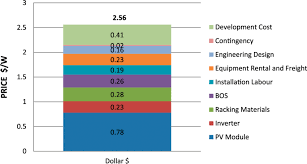
The cost of a solar panel system can vary widely depending on several factors, including:
- The size of the system
- The type and quality of components used
- Installation costs
- Local incentives and tax credits
On average, the total cost of a solar panel system can range from $15,000 to $30,000 or more.
Factors Affecting the Cost
Several factors can impact the overall cost of a solar panel system:
- Location: Solar panels are less expensive in areas with higher sunlight exposure.
- Size: Larger systems require more components and installation labor, increasing costs.
- Incentives: Tax credits and rebates can significantly reduce the upfront cost.
How to Choose the Right Components
Choosing the right solar panel system requires careful consideration of several factors:
- Solar panel efficiency: Look for high-efficiency panels that convert more sunlight into electricity.
- System size: Determine how much energy you need based on your energy usage and storage needs.
- Inverter type: Choose an inverter that suits your system’s specific requirements.
- Mounting system: Select a mounting system that is sturdy, easy to install, and suitable for your roof or ground-mounted rack.
Maximizing Energy Savings
To get the most out of your solar panel system, consider the following tips:
- Conduct an energy audit: Identify areas in your home or business where you can improve energy efficiency.
- Optimize system performance: Regularly maintain and inspect your solar panels to ensure they’re performing at their best.
- Consider energy storage: Add a battery storage system to store excess energy generated during the day for use at night.
Conclusion
Installing a solar panel system can be a wise investment, offering significant long-term benefits. By understanding the components that make up a typical solar panel system and considering factors like location, size, and incentives, you can maximize your energy savings. With proper maintenance and optimization, your solar panel system will provide reliable energy for years to come.
Frequently Asked Questions
- What is the average cost of a solar panel system?
- The total cost of a solar panel system can range from $15,000 to $30,000 or more.
- How long does it take to recoup the cost of a solar panel system through energy savings?
- The time it takes to recoup the cost varies depending on several factors, including location, system size, and energy usage.
-
What incentives are available for installing a solar panel system?
- Tax credits and rebates can significantly reduce the upfront cost of a solar panel system.
-
How often should I maintain my solar panels to ensure optimal performance?
- Regular inspections and cleaning can help maintain your solar panel system’s performance.
-
Can I use my solar panel system to power my home or business at night?
- Yes, with the addition of a battery storage system, you can store excess energy generated during the day for use at night.
-
How long do solar panels typically last?
- Solar panels are designed to last for up to 30 years or more.
-
Can I install my solar panel system myself?
- It’s recommended to hire a professional solar installer to ensure a safe and efficient installation.
-
Are there any environmental benefits to installing a solar panel system?
- Yes, solar panels produce clean energy and reduce greenhouse gas emissions, helping to combat climate change.
Additional Tips for Maximizing Energy Savings
- Install energy-efficient appliances: Replace old appliances with energy-efficient ones to reduce your overall energy usage.
- Use power strips: Plug electronics into power strips and turn off the strip when not in use to eliminate standby power consumption.
- Seal air leaks: Seal any air leaks around windows, doors, and ducts to prevent heated or cooled air from escaping.
Conclusion
Installing a solar panel system is an excellent way to reduce your energy bills and contribute to a sustainable future. By choosing the right components, optimizing system performance, and considering incentives, you can maximize your energy savings and enjoy the many benefits of solar power.


