
As the temperature drops, our plants start to suffer. If you want to protect your orchard and garden plants from frost, mulching is a crucial operation that needs to be done in winter. Whether you’re growing vegetables or flowers, a layer of protection can make all the difference between life and death.
What is Mulching?
Mulching is not rocket science; it’s simply a process of covering your soil with various materials to insulate it from cold temperatures. This technique requires minimal knowledge of plant culture; it’s easy to get started! By creating a protective layer, you can shield the roots of your plants from frost damage.
Benefits of Mulching
Mulching has many benefits beyond just protecting your plants from frost. For example, it can:
- Inhibit the growth of weeds: Weeds compete with your plants for water and nutrients, but mulch prevents them from growing by blocking light and preventing seed germination.
- Reduce water loss: A layer of mulch helps retain moisture in the soil, reducing the need for frequent watering.
- Regulate soil temperature: Mulch can help keep the soil cooler in the summer and warmer in the winter, creating a more consistent environment for your plants to thrive.
But let’s dive deeper into the world of mulch materials.
Choosing the Right Mulch Materials
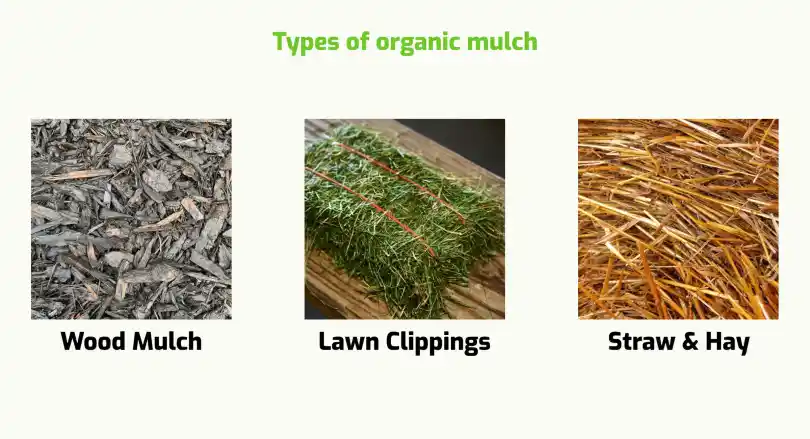
When it comes to selecting the right material for mulching, there are several options to choose from. Here are some common ones:
- Plastic Tarpaulins: These are widely used in orchards and gardens due to their ease of use and affordability.
- Natural Materials: Options like bark chips, straw, and leaves can be effective but may require more effort to apply.
- Coco Fiber Mulch: This is a popular choice for its eco-friendliness and ability to retain moisture.
Terricciato: A Soil Blend
One of the most popular mulching materials is terricciato, a blend of topsoil and compost. It’s an excellent option because it:
- Provides essential nutrients: Terricciato contains a mix of organic matter, which releases nutrients as it breaks down.
- Improves soil structure: The addition of compost helps to improve the overall texture and fertility of your soil.
To create your own terricciato mixture, simply combine equal parts of good soil and compost, mix well, and let it sit for a while before applying.
Adding Extra Layer with Leaves
For those looking to reduce water loss by limiting irrigation, you can apply an additional layer of mulch made from leaves. This is especially effective if combined with materials like corteccia di aghifoglie, which tends to acidify the soil and are suitable for plants like lamponi, azalee, camelie e rododendri.
Decorative Mulching Options
If you want to add a touch of style to your garden while still protecting it from frost, consider using decorative materials like:
- Colored glass pebbles
- Coconut fiber mulch
These can also serve as a double benefit by adding visual appeal to your garden.
Where to Buy Mulching Materials
Need help finding the perfect mulching material? Visit specialized stores or online retailers for assistance. You might be surprised at what you can find!
Mulching is an easy way to protect your plants from frost and add extra benefits like weed suppression and moisture retention. By choosing the right materials, creating a terricciato mixture, adding an extra layer with leaves, and opting for decorative options, you’ll be well on your way to becoming a mulching master.
Conclusion
Protecting your plants from frost is not only important but also quite straightforward when using proper mulching techniques. Don’t let harsh winters get the best of your garden; take control with this simple yet powerful tool in your gardening arsenal.
Frequently Asked Questions:
- What are the benefits of mulching?
Mulching can help protect plants from frost, inhibit weed growth, and retain moisture. - What materials are suitable for mulching?
Options include plastic tarpaulins, natural materials like bark chips and leaves, coconut fiber mulch, terricciato (soil blend), corteccia di aghifoglie (acidifying material), colored glass pebbles, and decorative materials. - How do I create a terricciato mixture?
Combine equal parts of good soil and compost, mix well, and let it sit for a while before applying. - Can mulching be used to reduce water loss?
Yes, adding an extra layer with leaves or using materials like corteccia di aghifoglie can help limit irrigation needs. - What decorative options are available for mulching?
Consider colored glass pebbles, coconut fiber mulch, and other visually appealing materials that also serve as double benefits. - Where can I buy mulching materials?
Visit specialized stores or online retailers to find the perfect mulching material for your needs.


