
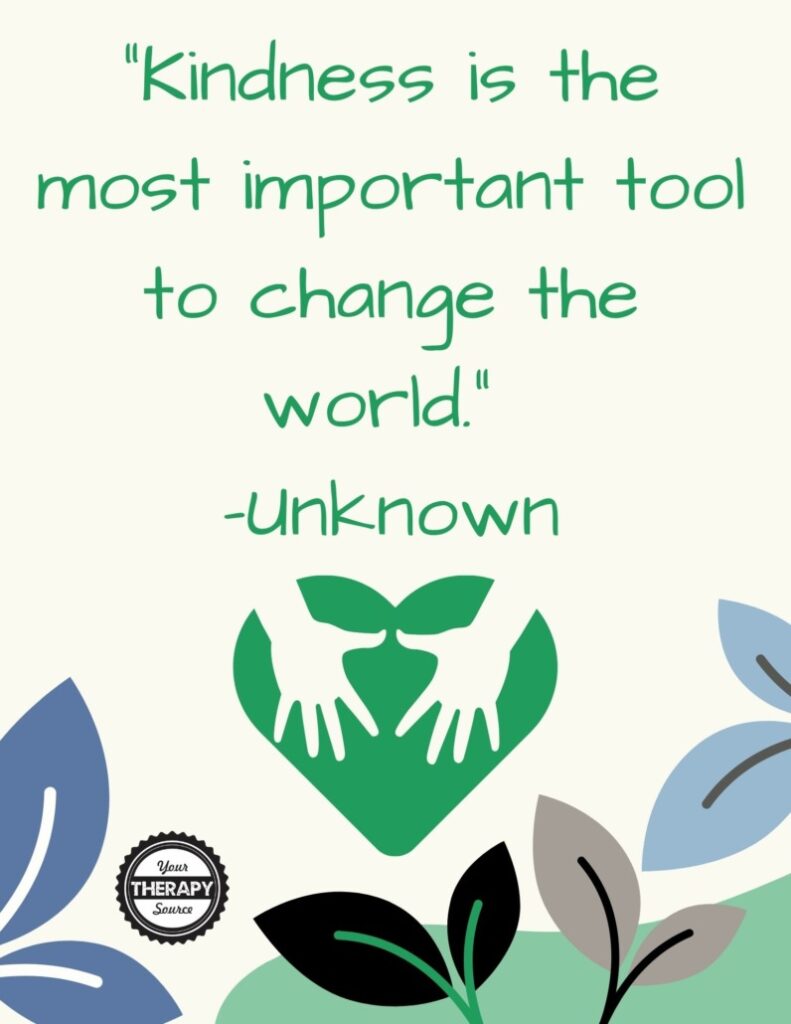
In today’s fast-paced world, it’s easy to get caught up in the hustle and bustle of daily life and forget about the importance of kindness. However, kindness is a powerful tool that can have a profound impact on not only our own lives but also on the well-being of the planet and its inhabitants.
As individuals, we often associate kindness with personal relationships, such as treating others with respect and empathy. But kindness extends far beyond these boundaries. It’s a fundamental aspect of our relationship with nature, which is essential for our survival and prosperity. In this article, we’ll explore the concept of kindness, its benefits, and practical ways to incorporate it into our daily lives.
What is Kindness?
Defining kindness succinctly is difficult. Who is kind, what does it mean, and why do we need a dictionary for that? Being kind is clearly possible; all you need is good will, and it’s a practice associated with patience, listening, and respect for all living beings.
Kindness is not just about being nice or pleasant to others; it’s about creating a positive impact on the world around us. It involves treating everyone and everything with compassion, empathy, and understanding. When we cultivate kindness, we create a ripple effect that can spread far beyond our immediate surroundings.
The Power of Kindness: Quotes
Everyone you meet is fighting a battle you know nothing about. Be kind. A gentle word, a caring glance, or a warm smile can change the world (William Hazlitt).
Kindness is always possible. It’s always there. Don’t underestimate it (Dalai Lama).
There is kindness everywhere. You just have to look for it (Seneca).
Guard your heart well, that you may be kind (George Sand).
These quotes highlight the transformative power of kindness and encourage us to approach life with compassion, empathy, and understanding.
Examples of Green Kindness
I’ve said that respect for the environment and kindness go hand in hand and aren’t theoretical concepts. There are countless examples of green kindness where it’s “just” a matter of being kind. Treating nature gently means not littering, conserving water, using less energy at home, and not wasting food or electricity. It also means choosing products based on eco-friendly principles and educating those living with us about how small daily habits can be kind to the environment that kindly hosts us.
For instance, reducing meat consumption can help reduce greenhouse gas emissions and promote sustainable agriculture. Similarly, composting food waste can create nutrient-rich soil for gardens and parks. These actions may seem insignificant, but collectively, they contribute to a more sustainable and environmentally conscious lifestyle.
Kindness to Plants
Plants don’t speak but are deeply sensitive to whether they’re treated gently or not – even just by how we arrange them in pots and look at them. A caring glance and a respectful attitude nurture plants as much as organic fertilizer does, and neither of these costs anything. You can take it a step further by watering and pruning plants with kindness, following the guidance outlined in our article on How to Water Plants.
Caring for plants is not only beneficial for their health but also for our well-being. Studies have shown that spending time in nature can reduce stress levels, improve mood, and boost creativity. By cultivating kindness towards plants, we create a positive cycle of care and respect that benefits both ourselves and the environment.
Kindness to Animals
Similarly, treating animals gently is the first rule. In fact, when they don’t have a voice, these creatures are often very good at making us understand that we shouldn’t mistreat them. Treating animals kindly is normal but not always easy, even for our beloved pets. For instance, forgetting to give them attention or affection can lead to neglect, and harming wild animals can cause irreparable damage to the environment.
Incorporating kindness into our daily interactions with animals involves simple yet meaningful actions such as providing adequate food, water, shelter, and care. It also means respecting their boundaries and not disturbing them unnecessarily. By treating animals with compassion and empathy, we create a more harmonious coexistence between humans and animals.
Kindness in Books
To anyone who doesn’t care about being kind, I recommend a book that will change your perspective and make you realize how important it is. It’s called “The Power of Kindness,” and I’ll leave you to imagine what amazing things you can achieve by acting with kindness.
In this book, you’ll discover inspiring stories of ordinary people who made a significant impact on the world through their acts of kindness. You’ll also learn practical tips and strategies for incorporating kindness into your daily life, from small gestures like holding the door open for someone to larger initiatives like volunteering at local charities.
Practical Ways to Incorporate Kindness
So, how can you start cultivating kindness in your daily life? Here are some practical ways to get you started:
- Practice mindfulness: Mindfulness involves being present in the moment and focusing on your thoughts, feelings, and actions. By practicing mindfulness, you’ll become more aware of your behavior and develop a greater sense of compassion for yourself and others.
- Listen actively: Active listening involves fully engaging with others, hearing their perspectives, and responding thoughtfully. This simple yet powerful act of kindness can help build stronger relationships and create a more harmonious community.
- Smile and show gratitude: Smiling at strangers or showing appreciation to those who have helped you can brighten someone’s day and create a positive ripple effect.
- Volunteer your time: Volunteering is an excellent way to demonstrate kindness and make a positive impact on the world around you. Whether it’s helping at a local animal shelter, participating in park cleanups, or assisting with food banks, every hour counts.
- Practice self-care: Taking care of yourself physically, emotionally, and mentally is essential for cultivating kindness. By prioritizing your own well-being, you’ll become more resilient, empathetic, and compassionate towards others.
Conclusion
Kindness is a powerful tool that can have far-reaching consequences for our personal lives, relationships, and the environment. By incorporating kindness into our daily habits, we create a positive cycle of care, respect, and compassion that benefits everyone involved.
In conclusion, kindness is not just a feeling or an emotion; it’s a choice that requires practice, patience, and dedication. As you embark on this journey of cultivating kindness, remember that every small action counts, and collective efforts can lead to significant positive change.
Related Articles
Neurons of Mirror and Emotions
Peter Pan Syndrome
Quotes about Resentment
Global Health: Center and Project
Quotes about Nostalgia


