
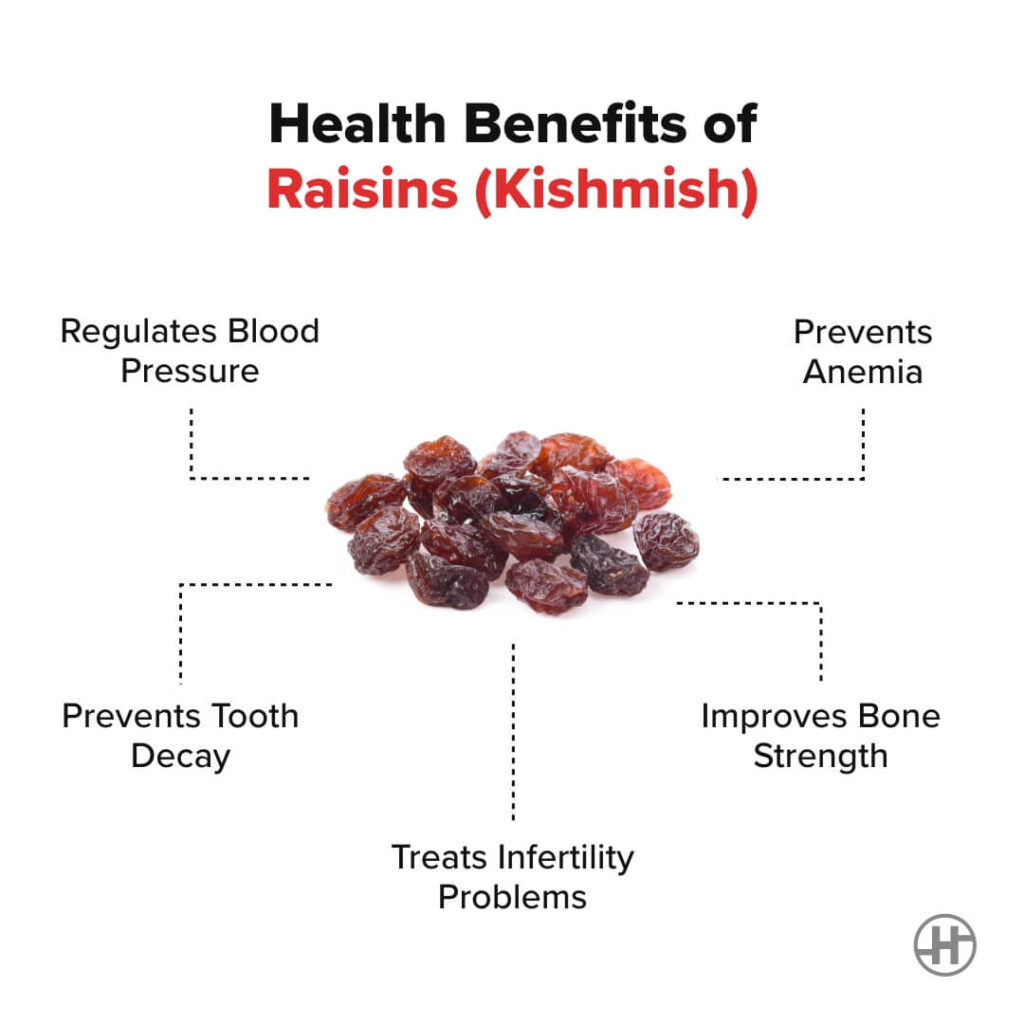
As a health enthusiast, you might have come across the term “sultana grapes” or “Uva sultanina,” but do you know what it’s all about? In this article, we’ll delve into the world of these delicious grapes and explore their properties, benefits, and uses in cooking.
Origin and Varieties
Sultana grapes are a type of grape that originated from Greece, Turkey, or Iran. They’re also known as Thompson Seedless, Kish Mish, Sultana, or Uva de Pasa, depending on the region. These grapes are widely cultivated in Australia, California, and other parts of the world.
Physical Characteristics
Sultana grapes have small, elliptical-shaped clusters with yellow or golden skin and no seeds. When they’re mature, they can turn brownish due to sun exposure. The grapes are crunchy, sweet, and easy to digest, making them a great snack for people of all ages.
Nutritional Benefits
Sultana grapes are rich in nutrients, including:
- Fiber: 5.2 grams per 100g serving
- Potassium: 864 milligrams per 100g serving
- Calcium: 78 milligrams per 100g serving
- Iron: 3.3 milligrams per 100g serving
The high fiber content in sultana grapes makes them an excellent choice for people with constipation or digestive issues.
Health Benefits
Sultana grapes have several health benefits, including:
- Antioxidant Properties: Sultana grapes contain antioxidants that can help protect against cell damage and reduce the risk of certain diseases.
- Anti-Inflammatory Effects: The flavonoids present in sultana grapes may help reduce inflammation and alleviate symptoms associated with conditions like arthritis.
- Cardiovascular Health: The potassium content in sultana grapes can help lower blood pressure and reduce the risk of cardiovascular disease.
- Cancer Prevention: Some studies suggest that the antioxidants and polyphenols present in sultana grapes may have anti-cancer properties.
Cooking with Sultana Grapes
Sultana grapes are a versatile ingredient that can be used in various dishes, from sweet treats to savory meals. Here are some ideas for using sultana grapes in your cooking:
- Salads: Add sultana grapes to green salads, fruit salads, or grain bowls for a burst of sweetness and flavor.
- Desserts: Use sultana grapes to make delicious desserts like crumbles, cobblers, or ice cream.
- Savory Dishes: Add sultana grapes to savory dishes like stir-fries, curries, or braises for added flavor and texture.
Tips for Using Sultana Grapes in Cooking
Here are some tips for using sultana grapes in your cooking:
- Choose the right variety: Opt for sultana grapes that are plump, firm, and free of blemishes for the best flavor and texture.
- Use them fresh: Sultana grapes can be used fresh or dried to make a sweet and chewy snack.
- Pair them with cheese: Sultana grapes pair well with a variety of cheeses, such as feta, goat cheese, and parmesan.
- Add them to savory dishes: Sultana grapes can add sweetness and flavor to savory dishes like stir-fries and curries.
Conclusion
Sultana grapes are a nutritious and versatile ingredient that can be incorporated into your diet in various ways. From their high fiber content to their antioxidant properties, sultana grapes offer numerous health benefits. Whether you enjoy them as a snack, use them in cooking, or make them into desserts, sultana grapes are definitely worth trying.
Frequently Asked Questions
- What is the best way to store sultana grapes?
Store sultana grapes in an airtight container in the refrigerator for up to 5 days. - Can I use sultana grapes as a substitute for raisins?
While sultana grapes can be used as a substitute for raisins, they have a slightly different texture and flavor profile. - Are sultana grapes suitable for people with allergies?
Sultana grapes are not typically considered a common allergen, but it’s always best to consult with a healthcare professional before consuming any new food. - Can I dry sultana grapes at home?
Yes, you can dry sultana grapes at home using a dehydrator or by spreading them out in a single layer on a baking sheet and placing them in a low-temperature oven. - How do I choose the best sultana grapes for cooking?
Choose sultana grapes that are plump, firm, and free of blemishes for the best flavor and texture.
Common Uses for Sultana Grapes
Sultana grapes can be used in a variety of dishes, including:
- Salads: Add sultana grapes to green salads, fruit salads, or grain bowls for a burst of sweetness and flavor.
- Desserts: Use sultana grapes to make delicious desserts like crumbles, cobblers, or ice cream.
- Savory Dishes: Add sultana grapes to savory dishes like stir-fries, curries, or braises for added flavor and texture.
Tips for Preparing Sultana Grapes
Here are some tips for preparing sultana grapes:
- Wash them thoroughly: Rinse the sultana grapes under cold water to remove any dirt or debris.
- Pat them dry: Use a clean towel to pat the sultana grapes dry before using them in cooking.
- Cut them in half: Cut the sultana grapes in half before using them in cooking to release their natural sweetness.
- Use them fresh: Sultana grapes can be used fresh or dried to make a sweet and chewy snack.
Conclusion
Sultana grapes are a nutritious and versatile ingredient that can be incorporated into your diet in various ways. From their high fiber content to their antioxidant properties, sultana grapes offer numerous health benefits. Whether you enjoy them as a snack, use them in cooking, or make them into desserts, sultana


