
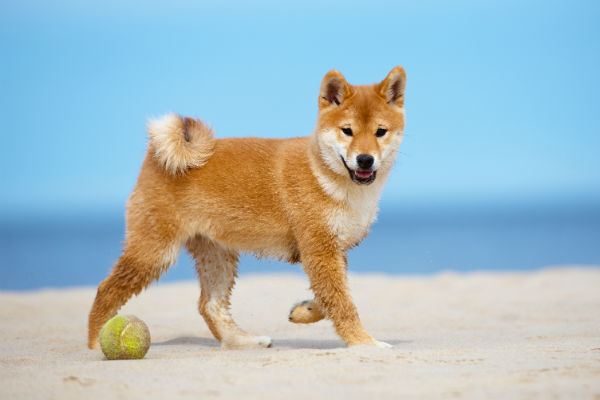
Are you searching for a dog with an adorable, curly tail? There are many breeds to choose from, each with their unique characteristics and quirks. In this article, we’ll delve into some of the most popular breeds with curly tails, as well as provide guidance on caring for these special pups.
Dog Breeds with Curly Tails
One of the most recognizable breeds with a curly tail is the Poodle. Originating from France as a hunting breed, the Poodle has become one of the most popular breeds worldwide. Its curly tail adds to its elegant and sophisticated appearance.
Another breed that comes to mind is the Barbone, an ancient French breed known for its curly tail and thick coat. The Barbone is renowned for its intelligence and friendly temperament, making it a beloved companion for families with children.
Genetic Characteristics of Curly Tails
Curly tails are a result of genetic mutations affecting the gene responsible for tail shape. Several breeds exhibit this trait, including the Akita Inu, Siberian Husky, Alaskan Malamute, Spitz, Chow Chow, and Shiba Inu. The curly tail can be inherited from either or both parents.
Inheritance Patterns
If both parents have curly tails, all offspring will likely inherit the trait. However, if only one parent has a curly tail, there’s a chance that only some puppies will inherit the characteristic.
Benefits and Drawbacks of Curly Tails
While curly tails can be beneficial for certain breeds, they also pose risks. For example, the Alaskan Malamute uses its curled tail to keep warm in cold weather, but this can lead to health issues if not properly cared for.
On the other hand, some breeds may experience problems with their tails due to their curliness, such as the Chow Chow, which may develop a “fox tail” condition. It’s essential to research the breed you’re interested in and consult with a veterinarian to understand potential health concerns.
Curating Your Canine Companion
If you’ve decided to bring home a dog with a curly tail, here are some valuable tips for caring for your new friend:
Grooming: The Key to a Healthy Curly Tail
Regular grooming is crucial for maintaining the health and appearance of your dog’s curly tail. Brush your dog gently but thoroughly, paying special attention to the area around the tail.
- Use a gentle brush or comb specifically designed for curly-coated dogs.
- Avoid using harsh chemicals or dyes, as they can damage the coat and skin.
- Regular grooming sessions can help prevent matting and tangling of the fur.
Preventing Tail Injuries
Be mindful of your dog’s tail when playing or exercising, as it can be more susceptible to injury. Avoid pulling or yanking on the tail, and keep your dog away from objects that might cause harm.
- Play fetch with a soft toy instead of using a ball or stick.
- Keep your dog away from sharp objects, such as sticks or rocks.
- Consider training your dog to walk on a leash without pulling on the lead.
Nutrition: Fueling a Healthy Curly Tail
A balanced diet is essential for maintaining overall health, including the health of your dog’s curly tail. Provide an equilibrated meal plan rich in nutrients, and consider adjusting it if necessary based on your dog’s specific needs.
- Feed a high-quality commercial dog food that meets your dog’s nutritional requirements.
- Consider adding supplements or treats to support skin and coat health.
- Avoid overfeeding, as this can lead to obesity and other health problems.
Physical Activity: Keeping Your Dog Active
Regular exercise is vital for both your dog’s physical and mental well-being. Ensure that your dog receives sufficient physical activity to maintain a healthy tail and prevent potential issues.
- Provide regular walks and playtime in the park or backyard.
- Consider enrolling your dog in obedience training classes.
- Avoid overexertion, as this can lead to exhaustion and injury.
Veterinary Care: Regular Check-Ups
Schedule regular check-ups with your veterinarian to monitor the health of your dog’s curly tail. Your veterinarian can perform exams, provide guidance on care, and help identify any potential problems early on.
- Schedule annual or bi-annual check-ups with your veterinarian.
- Keep track of your dog’s vaccination schedule and follow recommendations for parasite control.
- Be open with your veterinarian about any concerns or issues you notice with your dog’s curly tail.
Conclusion
If you’re ready to bring home a furry friend with a unique twist, research breeds with curly tails carefully. By understanding their genetic characteristics, benefits, and drawbacks, you’ll be better equipped to provide the best possible care for your new companion.
Remember that every dog is an individual, and what works for one pup may not work for another. Stay curious, stay informed, and most importantly, have fun exploring the wonderful world of dogs with curly tails!


