
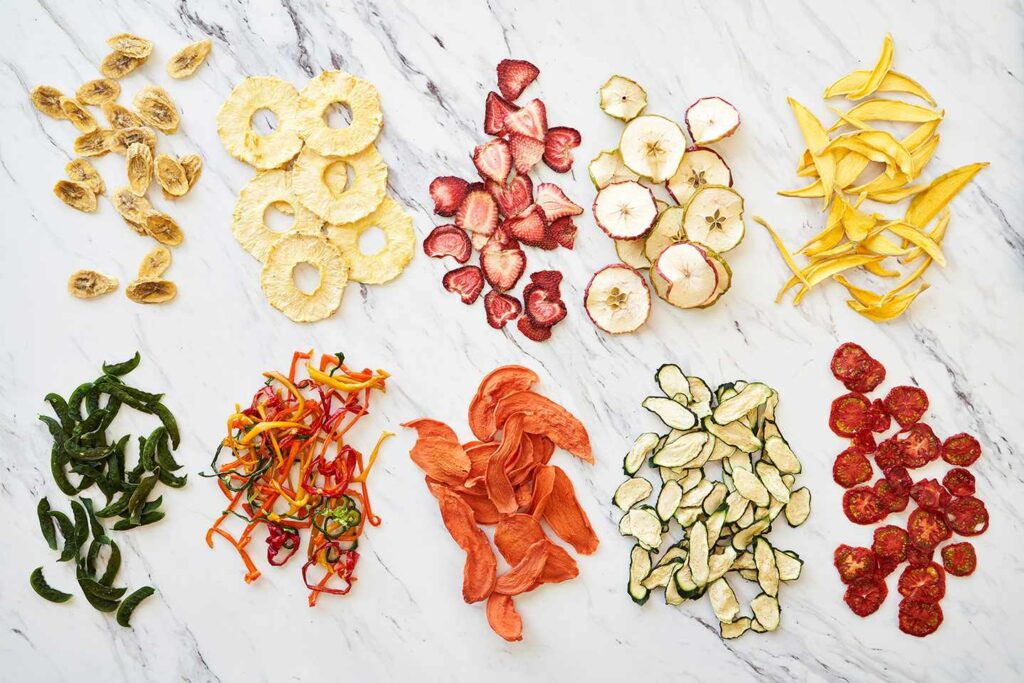
Dehydrated fruits and vegetables have become increasingly popular in Italy, but many people are still unaware of how to make them at home. With the rise of online shopping, it’s easier than ever to access these healthy snacks. In this article, we’ll explore the world of dehydrating vegetables and provide you with a comprehensive guide on how to get started.
What is Dehydration?
Dehydration is a process that removes excess water from food, resulting in a more concentrated and nutrient-rich product. This method helps preserve the natural flavors and textures of the vegetable, making it an excellent alternative to fresh produce. Unlike commercial dehydrated products, homemade dehydrated vegetables can be customized to your taste preferences.
Benefits of Dehydrating Vegetables at Home
- Increased control over ingredient quality and quantity: When you make dehydrated vegetables at home, you have complete control over the ingredients used and their quantities. This allows you to choose fresh, organic produce that suits your dietary needs and preferences.
- Cost-effective compared to buying commercial products: Commercial dehydrated vegetables can be expensive, especially when purchased in bulk. Making them at home is a cost-effective alternative that allows you to save money without compromising on quality.
- Ability to customize flavors and seasonings: With homemade dehydrated vegetables, you can experiment with various flavor combinations and seasonings to create unique taste profiles that suit your palate.
- Environmentally friendly packaging options: When making dehydrated vegetables at home, you have the flexibility to choose eco-friendly packaging materials or even store them in airtight containers made from recycled materials.
Choosing the Right Equipment
To get started with dehydrating vegetables, you’ll need a few basic pieces of equipment:
- Dehydrator: This is the most essential tool for dehydrating vegetables at home. You can choose from different types of dehydrators, such as air circulation or freeze-dryers.
- Veggies: Select fresh, organic vegetables that are suitable for dehydration. Popular choices include leafy greens, herbs, and root vegetables.
Step-by-Step Guide to Dehydrating Vegetables at Home
- Preparation: Wash the vegetables thoroughly and dry them with a clean towel or paper towels.
- Slice or Chop: Slice or chop the vegetables into thin strips or pieces, depending on your desired final product.
Dehydrator Settings: Tips and Tricks
When using your dehydrator, here are some key settings to keep in mind:
- Temperature: Set the temperature between 135°F and 155°F (57°C to 68°C) for optimal dehydration.
- Time: Dehydration times vary depending on the vegetable type and desired level of dryness. Here are some general guidelines:
- Leafy greens: 2-4 hours
- Herbs: 1-3 hours
- Root vegetables: 6-12 hours
Examples of Dehydrated Vegetables
Here are some popular dehydrated vegetable recipes to get you started:
- Carrot Chips: Slice carrots thinly and dry them at 135°F (57°C) for 4-6 hours.
- Zucchini Chips: Slice zucchinis into thin strips and dry them at 145°F (63°C) for 2-3 hours.
- Beet Powder: Dehydrate beets at 135°F (57°C) for 6-8 hours, then blend into a powder.
Storage and Rehydration
Proper storage and rehydration techniques are crucial to maintaining the quality of your dehydrated vegetables:
- Store dehydrated vegetables in airtight containers or bags.
- Rehydrate dried vegetables by soaking them in water or broth for 30 minutes to an hour before using.
Tips for Beginners
If you’re new to dehydrating vegetables, here are some additional tips to keep in mind:
- Start with simple recipes: Begin with basic dehydrated vegetable recipes and experiment with more complex flavors as you gain experience.
- Monitor temperature and time: Keep a close eye on your dehydrator’s temperature and time settings to ensure optimal dehydration results.
- Experiment with different vegetables: Try dehydrating various types of vegetables, such as leafy greens, herbs, and root vegetables, to discover new flavors and textures.
Common Challenges and Solutions
When making dehydrated vegetables at home, you may encounter some common challenges. Here are a few solutions to help you overcome these obstacles:
- Uneven dehydration: To prevent uneven dehydration, ensure that your vegetables are evenly spaced on the dehydrator trays.
- Stickiness or brittleness: If your dehydrated vegetables become sticky or brittle, try adjusting the temperature and time settings or adding a small amount of oil to help retain moisture.
Conclusion
Dehydrating vegetables at home is a simple and rewarding process that allows you to control the quality of your ingredients, save money, and create healthy snacks. By following these guidelines and experimenting with different recipes, you can unlock the full potential of this versatile cooking method. With practice and patience, you’ll be able to create delicious dehydrated vegetables at home that will complement any meal or snack.


