
The Ultimate Guide to DIY Composting: Turning Waste into Fertile Soil
As we strive for a more sustainable future, composting has become an essential practice in reducing waste and promoting eco-friendly gardening. However, many people are still unsure about how to get started with composting at home. In this comprehensive guide, we’ll explore the ins and outs of DIY composting, from selecting the right location to managing the composting process itself.
Where to Compost: Finding the Perfect Spot
Before you start composting, it’s essential to choose a suitable location for your compost bin or pile. Here are some key considerations:
- Sheltered from the wind: A spot protected from strong gusts and air currents is ideal, as this will help retain heat and moisture.
- Partial shade: Composting works best in partially shaded areas, where temperatures remain relatively consistent throughout the day.
- Near a water source: Easy access to water can be beneficial for maintaining moisture levels and speeding up the composting process.
- Proximity to your garden: Having your compost bin or pile close to your garden will make it easier to incorporate finished compost into your soil.
What Can Be Composted?
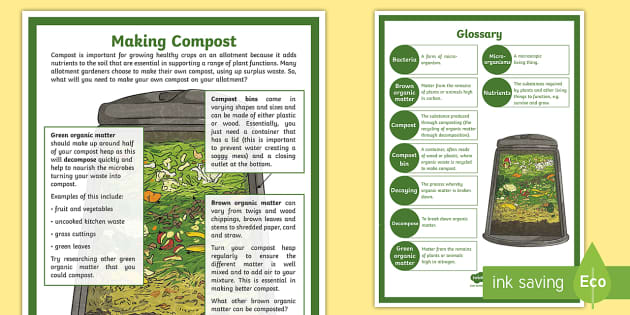
While many people think that only certain materials can be composted, the truth is that a wide range of organic waste can be turned into nutrient-rich compost. Here are some examples:
- Food scraps: Fruit and vegetable peels, eggshells, tea bags, coffee grounds
- Grass clippings
- Leaves
- Shredded paper
- Cardboard boxes
- Manure from herbivores (e.g., horses, rabbits)
On the other hand, certain materials should not be composted:
- Meat, bones, and dairy products
- Pet waste
- Weeds with seeds
- Chemically treated materials
Getting Started: Essential Tools and Materials
To begin composting successfully, you’ll need a few key tools and materials. Here’s what to look for:
- A sturdy compost bin or pile container
- Brown materials (e.g., leaves, shredded paper) for carbon-rich layers
- Green materials (e.g., food scraps, grass clippings) for nitrogen-rich layers
- Water source (e.g., hose, watering can)
- Turning tools (e.g., shovel, pitchfork)
Optional but highly recommended:
- A biotrituratore (mechanical composting device)
- An activator or starter product to kick-start the composting process
The Composting Process: What Happens Next?
Now that you have your materials and tools in place, it’s time to start composting! Here’s a step-by-step guide:
- Layering: Begin by adding a layer of brown materials (e.g., leaves, shredded paper) to the bottom of your bin or pile.
- Adding green materials: Next, add a layer of green materials (e.g., food scraps, grass clippings) on top of the brown layer.
- Watering: Lightly water the mixture to keep it moist but not soggy.
- Repeating the process: Continue alternating between brown and green layers, adding water as needed.
- Turning: Every few days, use your turning tools to mix and aerate the compost pile.
Tips and Tricks for Success
Here are some expert tips to help you achieve optimal composting results:
- Maintain moisture levels: Aim for a consistency similar to a damp sponge.
- Monitor temperature: Compost piles can get hot – be careful not to overheat!
- Add bulking agents: Materials like straw or shredded paper can help absorb excess moisture and improve airflow.
Common Challenges and Solutions
Here are some common challenges that composters face, along with tips for overcoming them:
- Odors: If your compost pile is giving off unpleasant odors, try adding more brown materials to balance out the green layers.
- Pests: To keep pests like raccoons or rodents away from your compost pile, consider using a secure lid or covering the top with hardware cloth.
Benefits of Composting
Composting offers numerous benefits for gardeners and the environment. Here are just a few:
- Reduced waste: By turning organic waste into nutrient-rich compost, you can significantly reduce the amount of waste sent to landfills.
- Improved soil health: Compost can improve soil structure, fertility, and overall health, leading to healthier plants and gardens.
- Climate change mitigation: Composting helps reduce greenhouse gas emissions by minimizing the need for synthetic fertilizers and pesticides.
Conclusion
Composting is a powerful tool in the fight against waste and climate change. By following these simple steps and tips, you can create nutrient-rich compost to fertilize your garden and reduce your environmental footprint. Happy composting!


