
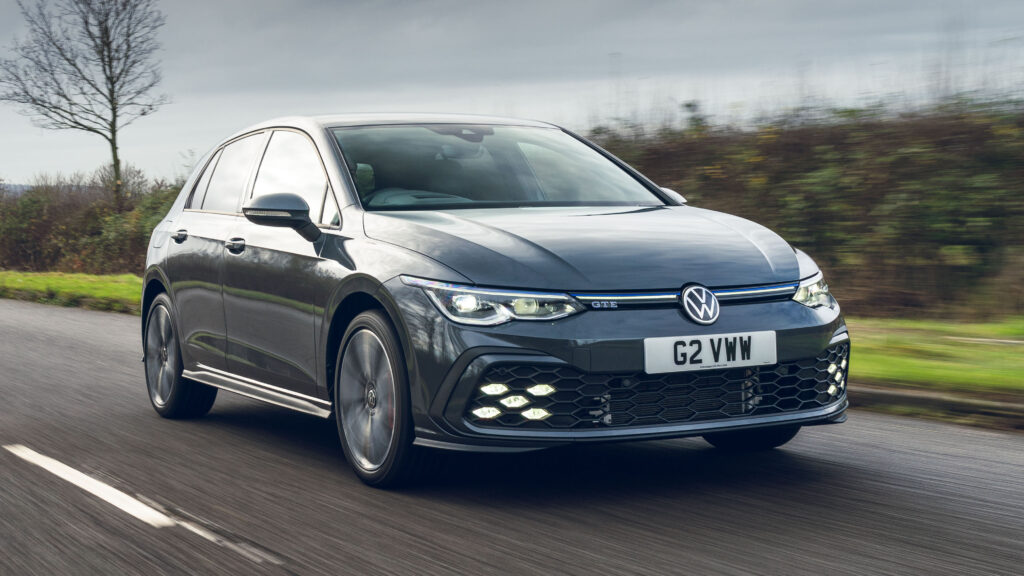
As the world shifts towards a more sustainable future, automobile manufacturers are racing to innovate and adapt. In this context, Volkswagen has taken a significant step forward with the introduction of the Golf Hybrid, the latest addition to its renowned Golf GT lineup.
In this article, we’ll delve into the features, specifications, and benefits of the Volkswagen Golf Hybrid, exploring what makes it an attractive option for environmentally conscious consumers.
A New Era in Electric Mobility
Volkswagen has made significant strides in recent years, launching the e-Up! and e-Golf, both full-electric vehicles. The arrival of the Golf Hybrid marks another milestone in its mission to become a leader in electric mobility.
The Golf Hybrid combines a powerful 1.4 TSI turbocharged engine with an integrated electric motor, producing a total of 204 horsepower and 350 Nm of torque. This synergy enables the vehicle to reach a top speed of 217 km/h and accelerate from 0-100 km/h in just 7.6 seconds.
Key Features and Specifications
- Engine: 1.4 TSI turbocharged engine with direct fuel injection
- Electric Motor: Integrated electric motor producing 102 horsepower
- Power Output: Total power output of 204 horsepower (150 + 102)
- Torque: Maximum torque of 350 Nm
- Transmission: Robotized dual-clutch transmission
- Battery Weight: 120 kg of lithium-ion battery cells
- Total Weight: 1,524 kg
- Top Speed: 217 km/h
- Acceleration: 0-100 km/h in 7.6 seconds
- Electric Range: Up to 50 km on electric power alone
A Closer Look at the Technology
The Golf Hybrid features a sophisticated technology package that enables seamless integration of its electric and gasoline-powered components.
The battery cells, weighing in at 120 kg, utilize lithium-ion technology and are designed for efficient energy storage. These batteries charge via a standard electrical socket, making it easy to recharge on the go.
The integrated electric motor is positioned near the dual-clutch transmission, allowing for optimal performance and efficiency. This innovative design enables the vehicle to switch seamlessly between electric and gasoline power, ensuring a smooth and efficient driving experience.
Market Positioning and Pricing
The Volkswagen Golf Hybrid is poised to take its place alongside other eco-friendly vehicles in the market. With an expected starting price of around €38,000, it’s an attractive option for consumers seeking a balance between fuel efficiency and affordability.
The introduction of this new model marks a significant milestone for Volkswagen as it continues to evolve into a leader in electric mobility. The Golf Hybrid is designed to appeal to a wide range of customers, from environmentally conscious individuals to those looking for a more efficient and cost-effective driving experience.
Comparison with Other Eco-Friendly Vehicles
The Volkswagen Golf Hybrid competes with other eco-friendly vehicles on the market, such as the Toyota Prius and the Hyundai Ioniq. In this section, we’ll compare the features and specifications of these vehicles to determine which one is the best fit for your needs.
- Toyota Prius: The Toyota Prius has a similar power output to the Golf Hybrid, with 120 horsepower from its electric motor. However, it has a slightly larger battery pack and a more extensive list of standard features.
- Hyundai Ioniq: The Hyundai Ioniq is another popular eco-friendly vehicle that offers a range of fuel-efficient options. It has a similar power output to the Golf Hybrid, with 139 horsepower from its electric motor. However, it lacks some of the advanced technology features found in the Golf Hybrid.
Benefits of Electric Mobility
Electric mobility offers a range of benefits for drivers and the environment. Some of the key advantages include:
- Lower Emissions: Electric vehicles produce zero tailpipe emissions, reducing greenhouse gas emissions and air pollution.
- Improved Fuel Efficiency: Electric vehicles are generally more fuel-efficient than their gasoline-powered counterparts, with some models achieving an estimated 50-60 mpg.
- Reduced Operating Costs: Electric vehicles have lower operating costs, with electricity being significantly cheaper than gasoline.
However, electric mobility also presents some challenges and limitations. Some of the key concerns include:
- Range Anxiety: Electric vehicles require frequent recharging, which can be a concern for drivers who are unsure about their access to charging infrastructure.
- Higher Upfront Costs: Electric vehicles are often more expensive than their gasoline-powered counterparts, although costs are decreasing as technology improves.
- Limited Charging Infrastructure: While charging infrastructure is improving rapidly, it still lags behind that of gasoline stations in terms of availability and convenience.
Conclusion
The Volkswagen Golf Hybrid is an exciting development in the world of electric mobility. With its powerful engine, efficient battery technology, and seamless integration, it’s an attractive option for consumers seeking a balance between fuel efficiency and affordability.
As we move towards a more sustainable future, the Volkswagen Golf Hybrid is well-positioned to play a key role in reducing greenhouse gas emissions and improving air quality. Whether you’re a seasoned electric vehicle owner or just starting out, this innovative model is definitely worth considering.
Frequently Asked Questions
- What is the expected starting price of the Volkswagen Golf Hybrid?
The estimated starting price for the Volkswagen Golf Hybrid is around €38,000. - How far can I drive on electric power alone?
Up to 50 km on electric power alone. - Is the battery technology used in the Golf Hybrid lithium-ion?
Yes, the Golf Hybrid features lithium-ion battery cells for efficient energy storage. - Can I charge the batteries at home using a standard electrical socket?
Yes, you can recharge the batteries via a standard electrical socket. - What is the estimated top speed of the Volkswagen Golf Hybrid?
The Volkswagen Golf Hybrid has an estimated top speed of 217 km/h. - How long does it take to accelerate from 0-100 km/h in the Golf Hybrid?
It takes approximately 7.6 seconds to reach a top speed of 217 km/h. -
Is the Volkswagen Golf Hybrid available for purchase yet?
Yes, the Volkswagen Golf Hybrid is expected to be available for purchase by October 2014. -
What sets the Golf Hybrid apart from other eco-friendly vehicles on the market?
The Golf Hybrid combines a powerful engine with efficient battery technology and seamless integration, making it an attractive option for consumers seeking a balance between fuel efficiency and affordability.


