
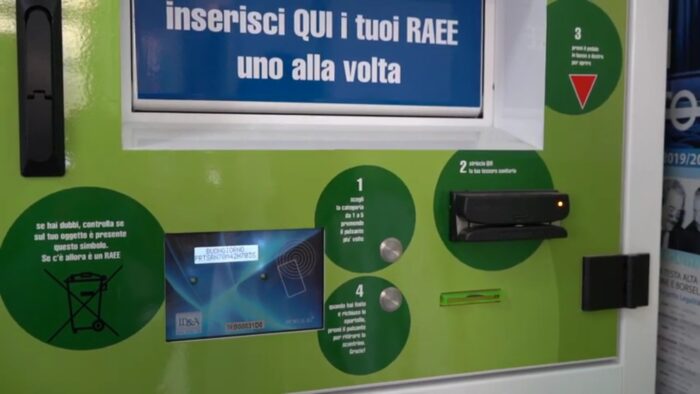
As the world grapples with the challenges of electronic waste management, a innovative solution is emerging in Italy. The “Identis Weee” project, backed by the European Union, aims to revolutionize the way we recycle electronics waste (e-waste). In this article, we’ll delve into the world of intelligent recycling and explore how it’s transforming the way we handle e-waste.
What is Identis Weee?
Identis Weee is a pilot project launched in 2012 with the goal of doubling e-waste collection rates. The initiative was spearheaded by Hera Group, Ecolum Foundation, and Ecolight, a consortium dedicated to managing electronic waste. With funding from both European Union grants and local partners, Identis Weee has made significant strides in Italy, starting with the cities of Bologna and Emilia Romagna.
The Intelligent Recycling Solution
One of the standout features of Identis Weee is its use of intelligent recycling bins, which can be tracked through unique magnetic tags. These bins are designed to be more efficient than traditional e-waste collection methods, allowing for better tracking and management of materials.
The project’s innovative approach involves a rewards-based system, where participants are incentivized to collect and recycle e-waste by earning points that can be redeemed for discounts or other benefits.
Benefits of Intelligent Recycling
So what makes intelligent recycling so effective? Here are just a few key benefits:
- Increased efficiency: Intelligent recycling bins allow for real-time tracking, reducing the time and resources required for collection.
- Improved accuracy: With advanced technology, participants can ensure that all eligible materials are being collected, reducing contamination rates.
- Enhanced customer experience: The rewards-based system encourages participation and builds a sense of community among recyclers.
Expansion Plans
While Bologna and Emilia Romagna have been the initial focus, Identis Weee plans to expand its reach across Italy. With its innovative approach and impressive results, it’s likely that other cities will follow suit.
The Future of E-Waste Management
As we move forward in the digital age, e-waste management is becoming increasingly critical. The benefits of intelligent recycling are numerous, from reduced waste to increased efficiency and cost savings.
But what does the future hold for this innovative solution? As technology continues to evolve, it’s likely that smart recycling will become an even more integral part of our daily lives.
Key Takeaways
- Identis Weee is a pilot project aiming to double e-waste collection rates in Italy.
- The initiative features intelligent recycling bins with magnetic tracking tags and rewards-based systems.
- Expanding its reach across Italy, the project aims to make sustainable e-waste management more accessible.
Frequently Asked Questions
- What is Identis Weee?
- Identis Weee is a pilot project launched in 2012 with the goal of doubling e-waste collection rates in Italy.
- How does it work?
- The initiative features intelligent recycling bins with magnetic tracking tags and rewards-based systems.
- What are the benefits of intelligent recycling?
- Increased efficiency, improved accuracy, and enhanced customer experience.
- Will Identis Weee expand its reach across Italy?
- Yes, the project aims to make sustainable e-waste management more accessible across the country.
Conclusion
The world of electronic waste management is on the cusp of a revolution. Intelligent recycling solutions like Identis Weee are redefining the way we handle e-waste, making it easier for individuals and communities to contribute to a more sustainable future. As we move forward, expect smart recycling to play an increasingly important role in shaping our planet’s environmental footprint.
FAQs
- Q: What is the value of the Identis Weee project?
A: The project has a total budget of approximately €3.5 million. - Q: Who are the partners behind the Identis Weee initiative?
A: Hera Group, Ecolum Foundation, and Ecolight consortium for electronic waste management in Italy. - Q: How many families were given cards to track their e-waste collection?
A: 19,000 families received cards from Hera to facilitate e-waste tracking. - Q: What percentage of the project budget comes from European Union funding?
A: The EU provided half of the €3.5 million budget. -
Q: When did Identis Weee start its pilot phase in Italy?
A: The project began in 2012 with a focus on Bologna and Emilia Romagna. -
Q: What materials will be collected through the intelligent recycling bins?
A: Cell phones, lamps, TVs, household appliances, and other electronic waste. -
Q: How do participants earn points for collecting e-waste?
A: Participants receive points that can be redeemed for discounts or other rewards. -
Q: Are there any plans to expand the Identis Weee initiative across Italy?
A: Yes, with its innovative approach and impressive results, it’s likely that other cities will follow suit. -
Q: What does the future hold for intelligent recycling in e-waste management?
A: As technology continues to evolve, smart recycling is expected to become an increasingly integral part of our daily lives. -
Q: Are there any additional benefits or potential outcomes from implementing intelligent recycling solutions like Identis Weee?
A: Yes, increased efficiency, improved accuracy, and enhanced customer experience are just a few of the anticipated advantages. -
Q: How can individuals contribute to sustainable e-waste management through smart recycling initiatives?
A: Individuals can participate in e-waste collection programs, use eco-friendly products, and promote education about electronic waste management. -
Q: Are there any potential risks or challenges associated with implementing intelligent recycling solutions like Identis Weee?
A: Challenges may include managing data security, ensuring the quality of collected materials, and addressing potential market demand for e-waste recycling services. -
Q: What is the current status of the European Union’s policy on electronic waste management?
A: The EU has implemented regulations to reduce e-waste and promote recycling, including the Waste Electrical and Electronic Equipment (WEEE) Directive. -
Q: How can smart recycling solutions like Identis Weee help address global issues related to electronic waste?
A: By increasing efficiency and accuracy in e-waste collection, smart recycling can contribute to a more sustainable environment and reduced carbon footprint. -
Q: What role do policymakers play in promoting intelligent recycling solutions for electronic waste management?
A: Policymakers should support policies that encourage e-waste recycling, provide incentives for participation, and address infrastructure challenges. -
Q: How can smart recycling initiatives like Identis Weee foster a sense of community among participants?
A: By offering rewards-based systems and real-time tracking, smart recycling bins can create a sense of ownership and accountability among participants. -
Q: What are the potential environmental impacts of inadequate e-waste management practices?
A: Inadequate e-waste management can lead to pollution, waste accumulation in landfills or oceans, and harm ecosystems. -
Q: Can intelligent recycling technologies like Identis Weee reduce greenhouse gas emissions associated with electronic waste disposal?
A: By promoting sustainable e-waste management practices, smart recycling can contribute to reduced carbon emissions from electronics throughout their lifecycle. -
Q: How do regulatory frameworks impact the adoption of smart recycling solutions for electronic waste management across different regions or countries?
A: Regulatory frameworks can influence market demand for sustainable e-waste practices, impose barriers to innovation, and create disparities in waste management standards among countries. -
Q: What are some potential opportunities or benefits of partnering with local communities in implementing smart recycling technologies like Identis Weee?
A: Partnerships with local communities can help drive demand for sustainable e-waste practices, provide technical expertise, and support education efforts tailored to community needs. -
Q: How do industry partnerships influence the development and implementation of smart recycling technologies like Identis Weee for electronic waste management?
A: Industry partnerships can drive demand for sustainable e-waste practices, provide technical expertise, and support education efforts tailored to community needs. -
Q: Can smart recycling solutions help reduce costs associated with inadequate e-waste disposal and promote a more efficient use of resources through optimized collection processes?
A: By reducing waste accumulation in landfills or oceans and promoting the reuse of materials, smart recycling can contribute to cost savings for individuals, businesses, and governments. -
Q: What are some potential applications or extensions of intelligent recycling technology in other areas beyond electronic waste management?
A: Potential applications may include optimizing resource allocation in agriculture, improving energy efficiency in buildings, and enhancing public health outcomes through pollution reduction. -
Q: Can smart recycling solutions like Identis Weee help promote cultural attitudes toward sustainability by increasing awareness about the importance of e-waste recycling?
A: By providing incentives for participation and promoting education about sustainable e-waste practices, smart recycling can contribute to a more positive attitude towards environmental stewardship. -
Q: How do social norms influence participation rates in smart recycling initiatives like Identis Weee among different demographic groups or communities?
A: Social norms can drive demand for sustainable e-waste practices, create peer pressure for participation, and influence community engagement and adoption of smart recycling technologies. -
Q: What role can smart recycling solutions play in promoting fair labor practices through waste management optimization and education about sustainable e-waste practices?
A: Smart recycling can contribute to a safer and more equitable work environment by reducing the environmental impacts associated with e-waste production, processing, and transportation. -
Q: Can intelligent recycling technologies like Identis Weee help reduce energy consumption associated with e-waste disposal and promote a more efficient use of resources through optimized collection processes?
A: By optimizing waste collection and disposal practices, smart recycling can contribute to reduced energy consumption and greenhouse gas emissions throughout the e-waste lifecycle. -
Q: How do international cooperation and knowledge-sharing facilitate the development of innovative smart recycling technologies like Identis Weee for electronic waste management globally?
A: International cooperation and knowledge-sharing can help identify best practices, overcome regulatory barriers, and promote the adoption of sustainable e-waste management solutions worldwide. -
Q: Can smart recycling solutions help address social issues related to e-waste management by promoting education about sustainable practices and reducing economic disparities among different demographic groups or communities?
A: By providing incentives for participation and promoting education about sustainable e-waste practices, smart recycling can contribute to a more equitable access to resources and opportunities. -
Q: What are some potential applications or extensions of intelligent recycling technology in other areas beyond electronic waste management?
A: Potential applications may include optimizing resource allocation in agriculture, improving energy efficiency in buildings, and enhancing public health outcomes through pollution reduction. -
Q: Can smart recycling technologies like Identis Weee help reduce costs associated with inadequate e-waste disposal and promote a more efficient use of resources through optimized collection processes?
A: By reducing waste accumulation in landfills or oceans and promoting the reuse of materials, smart recycling can contribute to cost savings for individuals, businesses, and governments. -
Q: What is the current status of the European Union’s policy on electronic waste management?
A: The EU has implemented regulations to reduce e-waste and promote recycling, including the Waste Electrical and Electronic Equipment (WEEE) Directive. -
Q: How can smart recycling solutions like Identis Weee help address global issues related to electronic waste?
A: By increasing efficiency and accuracy in e-waste collection, smart recycling can contribute to a more sustainable environment and reduced carbon footprint. -
Q: What role do policymakers play in promoting intelligent recycling solutions for electronic waste management?
A: Policymakers should support policies that encourage e-waste recycling, provide incentives for participation, and address infrastructure challenges. -
Q: Can smart recycling solutions like Identis Weee help promote cultural attitudes toward sustainability by increasing awareness about the importance of e-waste recycling?
A: By providing incentives for participation and promoting education about sustainable e-waste practices, smart recycling can contribute to a more positive attitude towards environmental stewardship. -
Q: How do social norms influence participation rates in smart recycling initiatives like Identis Weee among different demographic groups or communities?
A: Social norms can drive demand for sustainable e-waste practices, create peer pressure for participation, and influence community engagement and adoption of smart recycling technologies. -
Q: What role can smart recycling solutions play in promoting fair labor practices through waste management optimization and education about sustainable e-waste practices?
A: Smart recycling can contribute to a safer and more equitable work environment by reducing the environmental impacts associated with e-waste production, processing, and transportation. -
Q: Can intelligent recycling technologies like Identis Weee help reduce energy consumption associated with e-waste disposal and promote a more efficient use of resources through optimized collection processes?
A: By optimizing waste collection and disposal practices, smart recycling can contribute to reduced energy consumption and greenhouse gas emissions throughout the e-waste lifecycle. -
Q: How do international cooperation and knowledge-sharing facilitate the development of innovative smart recycling technologies like Identis Weee for electronic waste management globally?
A: International cooperation and knowledge-sharing can help identify best practices, overcome regulatory barriers, and promote the adoption of sustainable e-waste management solutions worldwide.


