
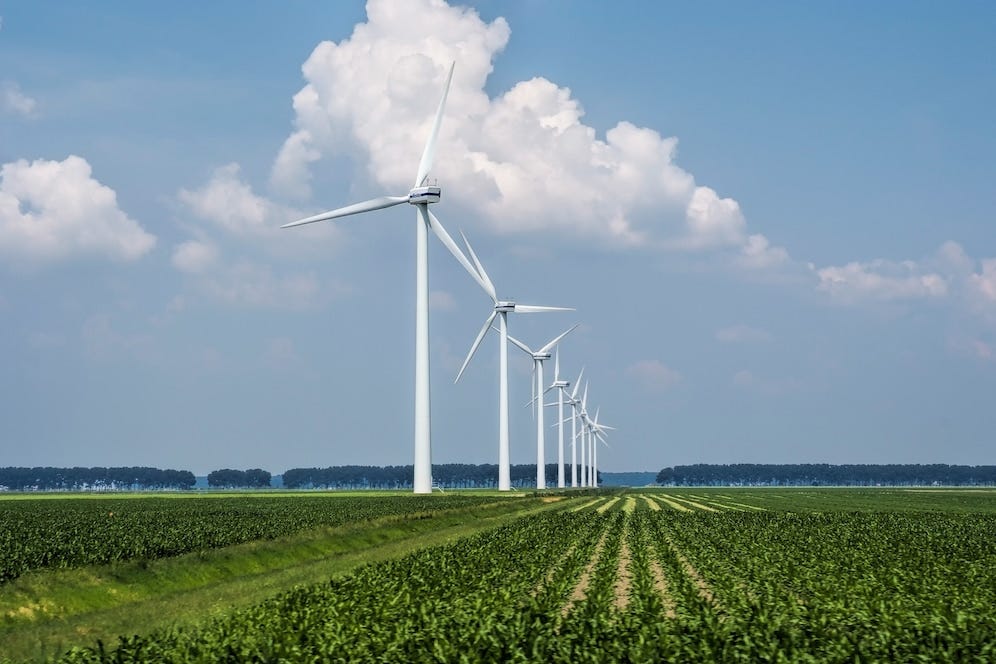
The Five Energy Windmills Debunked: Separating Fact from Fiction in the Renewable Energy Industry
As the world shifts towards renewable energy sources, the growth of wind power has been rapid. The United States, Europe, and China have ambitious plans to expand their wind energy capabilities over the next decade. However, with this growth comes misinformation about wind energy that can hinder its adoption. In this article, we will debunk five common myths surrounding wind energy, exploring the facts behind each misconception and examining the evidence supporting the benefits of wind power.
#1: The Efficiency of a Wind Turbine is Too Low to Justify the Cost
One of the most enduring misconceptions about wind energy is that its efficiency is too low to justify the cost of installation. Proponents of this myth claim that the efficiency of a wind turbine is too low to provide a reliable source of power, making it an impractical choice for widespread adoption.
However, studies have shown that the investment in wind turbines can be fully recovered within the first year of operation. In fact, according to the American Wind Energy Association (AWEA), a single megawatt of installed capacity can generate enough electricity to power 500 homes annually. This translates into significant economic and environmental benefits, making wind energy an attractive option for renewable energy developers.
To put this in perspective, consider that natural gas-fired power plants have an average efficiency of around 33-40%. In contrast, modern wind turbines boast efficiencies ranging from 45-50%, with some models reaching as high as 55% efficient. This significant difference in efficiency makes wind energy a highly competitive option for generating electricity.
Moreover, advances in turbine design and materials have significantly improved the overall performance of wind turbines over the years. Larger turbines with longer blades and more advanced blade designs have increased energy production while reducing costs.
In conclusion, the efficiency of wind turbines is not as low as commonly claimed, making it a viable source of renewable energy that can compete with fossil fuels on a level playing field when considering all factors including maintenance costs and environmental impact.
#2: Wind Turbines Have a Negative Impact on Tourism
Another myth surrounding wind energy is that turbines have a negative impact on local tourism industries. Some argue that the presence of wind farms can deter tourists from visiting areas where turbines are located, potentially harming local economies.
However, if not properly planned and sited, wind farms may indeed have a negative impact on the area. The visual impact of turbines can be a concern for some visitors, while the noise generated by turbines can also be an issue. Nevertheless, with careful planning and placement, wind farms can actually complement local tourist attractions.
In recent years, there has been significant growth in offshore wind energy, with the UK even launching a dedicated task force to develop this sector. Offshore wind farms are often located far from coastal communities, minimizing their visual impact while still providing a reliable source of electricity for millions of people.
Moreover, many countries have implemented measures to mitigate potential impacts on local tourism industries. For example, Denmark has implemented a system where turbines are placed in areas with minimal visual impact, such as in the North Sea. Similarly, the Netherlands has established a national strategy for wind energy development that prioritizes community engagement and public participation.
In conclusion, while wind farms may pose some challenges to local tourism industries, proper planning and placement can minimize these impacts, making it possible to develop sustainable wind energy projects that complement local economies.
#3: Wind Energy is Too Intermittent for Grid Integration
A third myth surrounding wind energy is that its intermittency makes it difficult to integrate into the grid. Proponents of this myth argue that wind turbines cannot provide a reliable source of power due to changes in wind speed and direction.
However, while it is true that wind energy is intermittent, all renewable energy sources require grid integration strategies to ensure stability. By combining wind power with other intermittent energy sources like solar power, we can achieve a stable and reliable energy mix.
For instance, the Tris energy company in Germany has implemented a system that integrates both onshore and offshore wind power, demonstrating how variable energy sources can be managed effectively. This approach involves using advanced weather forecasting techniques to predict wind speed and direction, ensuring that turbines operate at optimal levels while also accounting for changes in demand.
Moreover, grid management strategies such as battery storage and demand response systems can help mitigate the impact of intermittent renewable energy sources on grid stability. By investing in these technologies, utilities and policymakers can create a more resilient and flexible grid that can accommodate the variability of wind energy.
In conclusion, wind energy is not inherently too intermittent to integrate into the grid. With careful planning, advanced weather forecasting techniques, and strategic deployment of grid management tools, we can achieve a stable and reliable energy mix that benefits both the environment and local economies.
#4: Wind Turbines Are Noisy
A fourth myth surrounding wind turbines is that they are excessively loud. Some argue that the sound generated by turbines can be disturbing to nearby residents, potentially impacting their quality of life.
However, modern wind turbine technology has significantly reduced noise levels. The only sound produced by these turbines is the gentle humming of rotating blades caught in the breeze. In fact, studies have shown that the noise level generated by modern wind turbines is comparable to that of a typical diesel engine or even a quiet office building.
To put this into perspective, consider that natural gas-fired power plants can generate noise levels ranging from 50-70 decibels (dB), while modern wind turbines typically produce sound levels around 35-40 dB. This significant reduction in noise level makes wind energy an attractive option for renewable energy developers seeking to minimize environmental impacts.
In conclusion, the myth surrounding wind turbine noise is largely exaggerated, and modern technology has made it possible to design turbines that operate at a very low decibel level, minimizing disturbances to nearby residents.
#5: Wind Farms Harm Bird Populations
A fifth myth surrounding wind energy is that turbines can harm bird populations. Some argue that the presence of turbines in areas with high bird activity can lead to a decline in local wildlife populations.
However, while it is true that some birds have been found dead near wind farms, this impact is relatively rare and limited to nocturnal species. Research conducted in the UK has shown that the actual effect on bird populations is minimal or non-existent.
Moreover, careful selection of sites for wind farm development can minimize the risk of impacts on local wildlife. By analyzing flight patterns and migration routes, developers can identify areas with low bird activity, reducing the likelihood of turbine strikes.
In fact, many countries have established guidelines and regulations to mitigate potential impacts on bird populations. For example, the UK has implemented a system where turbines are sited at least 3 kilometers away from areas with high bird activity, while Denmark has established a national strategy for wind energy development that prioritizes community engagement and public participation.
In conclusion, while wind farms may pose some challenges to local wildlife populations, proper planning, careful site selection, and regulatory oversight can minimize these impacts, making it possible to develop sustainable wind energy projects that benefit both the environment and local ecosystems.
Conclusion
The five myths surrounding wind energy are not supported by evidence. Wind power offers a clean, cost-effective, and reliable source of renewable energy for the future. By debunking common misconceptions about wind energy, we can promote greater understanding and acceptance of this technology, driving its adoption on a global scale.
As the world shifts towards renewable energy sources, it is essential to rely on evidence-based information rather than myths or misconceptions. By embracing the facts behind wind energy, we can create a more sustainable future for generations to come.
Frequently Asked Questions
- Is wind energy too expensive to be viable?
Wind energy has become increasingly cost-effective over the years, with many studies showing that it can compete with fossil fuels on a level playing field when considering all factors including maintenance costs and environmental impact.
- How can we ensure that wind turbines are sited in areas that minimize negative impacts on local communities?
Careful planning, community engagement, and regulatory oversight are essential to avoid unintended consequences of wind farm placement. Developers should prioritize transparency and communication with local stakeholders throughout the development process.
- Can wind energy be integrated into the grid effectively?
With advancements in smart grids technology and strategic combination of different intermittent energy sources like solar power, it is entirely possible to achieve a stable and reliable energy mix that benefits both the environment and local economies.
- How can we reduce the impact of wind turbines on bird populations?
To minimize the risk of impacts on bird populations, careful selection of sites for wind farm development is essential. Developers should analyze flight patterns and migration routes, identifying areas with low bird activity to reduce the likelihood of turbine strikes.
- What role should policy play in supporting the development of wind energy worldwide?
Governments must create supportive policies that encourage investment in renewable energy infrastructure while also fostering a culture of innovation to meet the challenges posed by climate change. This includes offering tax incentives, streamlining permitting processes, and promoting grid integration strategies.
- Are there any international examples where wind farms have successfully integrated into local ecosystems without negative impacts on wildlife or tourism?
Yes, countries like Denmark and the Netherlands offer compelling examples of how wind farms can be developed sustainably with minimal environmental impact. These countries have implemented measures to mitigate potential impacts on local wildlife populations and tourism industries.
- Can we predict exactly when a wind turbine will generate electricity?
Wind turbines are subject to variability in energy output due to wind speed changes. However, modern forecasting techniques combined with grid management strategies allow for reliable planning and dispatch of renewable energy sources.
- What is the future outlook for wind energy globally?
Given its cost-effectiveness, environmental benefits, and growing demand for clean energy, the future looks bright for wind power. As policymakers continue to implement supportive policies and technologies, wind energy is poised to play an increasingly significant role in meeting global renewable energy targets.
Conclusion
The five myths surrounding wind energy have been debunked, revealing a technology that offers numerous environmental and economic benefits. By embracing the facts behind wind energy, we can promote greater understanding and acceptance of this technology, driving its adoption on a global scale.
As the world shifts towards renewable energy sources, it is essential to rely on evidence-based information rather than myths or misconceptions. By embracing the facts behind wind energy, we can create a more sustainable future for generations to come.


