
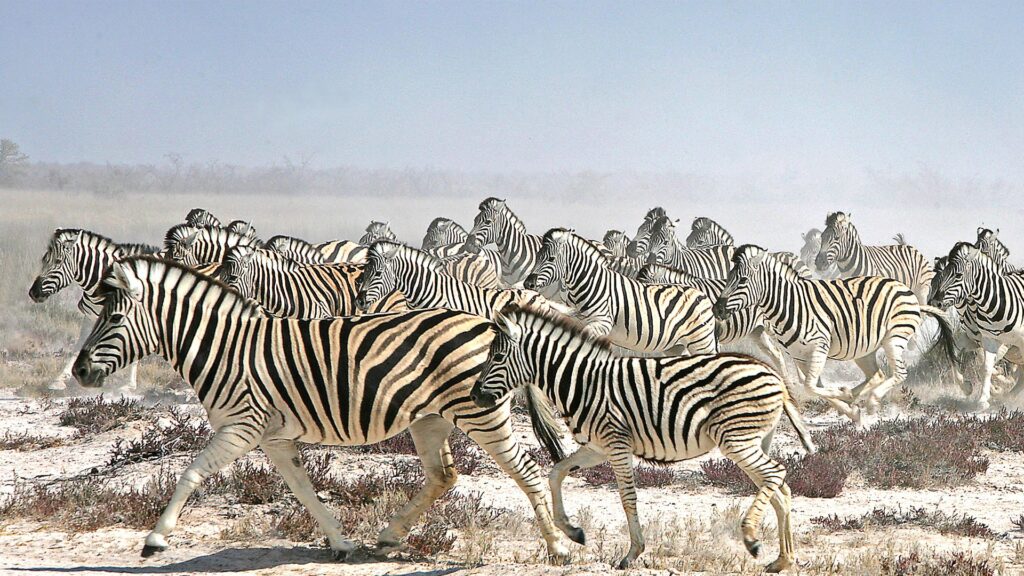
As humans, we’re not alone in our migratory journeys. Many animals, including birds, insects, reptiles, and mammals, undertake annual or seasonal migrations to find food, shelter, and suitable habitats. This phenomenon is influenced by various factors, including climate change, availability of resources, and breeding habits.
What are Animal Migrations?
Animal migrations refer to the regular movements of animals from one location to another, often following specific routes and patterns. These movements can be driven by various factors, such as seasonal changes, food scarcity, or predator avoidance. While humans may migrate for economic or social reasons, many animal species migrate for survival.
The Importance of Animal Migrations
Animal migrations play a crucial role in maintaining the balance of ecosystems. By understanding these movements, we can gain insights into the complex relationships between different species and their environments. Here are some key aspects of animal migrations:
- Population dynamics: Migration patterns help regulate population sizes, ensuring that numbers remain stable or increase when resources are abundant.
- Ecosystem services: Migrating animals provide essential ecosystem services, such as pollination, seed dispersal, and nutrient cycling.
- Climate regulation: Animal migrations can influence local climates by transporting heat, nutrients, and seeds across different regions.
- Biodiversity conservation: Understanding animal migrations helps us identify areas of high biodiversity and develop targeted conservation strategies.
Bird Migration: A Well-Known Phenomenon
Bird migration is perhaps the most well-known type of animal migration. Many bird species undertake long-distance migrations each year, traveling thousands of miles to reach their breeding and wintering grounds. Some examples include:
- Waterfowl: Geese, ducks, and swans migrate in large flocks to find food and suitable habitats.
- Songbirds: Warblers, sparrows, and finches migrate to find insects and other small animals to feed on.
- Raptors: Eagles, hawks, and owls migrate to find prey and suitable hunting grounds.
Insect Migration: Often Unnoticed
While bird migration is well-documented, insect migration often goes unnoticed. Many insects, such as locusts and butterflies, undergo seasonal migrations in search of food or suitable habitats. For example:
- Locusts: These insects migrate in massive swarms to find food and suitable habitats.
- Butterflies: Some butterfly species migrate thousands of miles each year to reach their breeding grounds.
Reptile Migration: Often Underrated
Reptiles, such as turtles and crocodiles, also undertake migrations. For example:
- Sea Turtles: These animals migrate across entire oceans to nest on specific beaches.
- Crocodiles: Some species of crocodiles migrate to find food and suitable habitats.
Mammal Migration: A Complex Phenomenon
Many mammal species migrate, including those that live in the Arctic and Antarctic regions. For example:
- Caribou: These animals migrate across the tundra to find food and suitable habitats.
- Elephants: Some species of elephants migrate long distances in search of water and food.
Migrating Animals in Italy
Italy is a key location for many bird species, which migrate through the country each year. The Italian peninsula serves as a crucial stopover point for many birds, providing food and shelter during their migrations.
- Spring Migration: Many bird species arrive in Italy in spring, including warblers, sparrows, and finches.
- Summer Migration: Some bird species migrate to Italy’s Mediterranean coast during the summer months to find insects and other small animals to feed on.
- Autumn Migration: Many birds return to Italy in autumn, including raptors, songbirds, and waterfowl.
Key Takeaways
Animal migrations are an essential aspect of many ecosystems. These movements allow species to adapt to changing environments, find food and shelter, and breed successfully. By understanding animal migrations, we can better appreciate the complexity and beauty of nature.
Frequently Asked Questions (FAQs)
- Q: Why do animals migrate?
A: Animals migrate for various reasons, including food scarcity, breeding habits, predator avoidance, and changing environmental conditions. - Q: Which species are known to migrate?
A: Many bird species, insects, reptiles, and mammals are known to migrate. Examples include waterfowl, songbirds, locusts, sea turtles, caribou, and elephants. - Q: How do animals navigate during their migrations?
A: Animals use various navigational cues, including magnetic fields, visual landmarks, and olfactory signals, to guide their migrations. - Q: Can humans influence animal migration patterns?
A: Yes, human activities such as habitat destruction, climate change, and pollution can impact animal migration patterns. - Q: What are the conservation implications of animal migration?
A: Understanding animal migrations is crucial for developing effective conservation strategies to protect species and their habitats.
Conservation Implications
Animal migrations have significant conservation implications. By understanding these movements, we can develop targeted strategies to:
- Protect habitats: Preserve natural habitats that support migratory species.
- Reduce human impact: Minimize human activities that disrupt migration patterns, such as habitat destruction, climate change, and pollution.
- Promote sustainable practices: Encourage sustainable practices, such as responsible tourism and eco-tourism, to support local communities and protect migratory species.
Case Studies
Here are some case studies highlighting the importance of animal migrations:
- The Monarch Butterfly Migration: The monarch butterfly migration is a remarkable example of animal migration. These butterflies migrate thousands of miles each year from Canada and the United States to Mexico, where they overwinter.
- The Sea Turtle Migration: Sea turtles migrate across entire oceans to nest on specific beaches. This phenomenon highlights the importance of preserving natural habitats and reducing human impact on these species.
Future Research Directions
Understanding animal migrations is an ongoing research priority. Future studies should focus on:
- Monitoring migration patterns: Develop robust monitoring systems to track migration patterns and identify areas of high biodiversity.
- Investigating navigational cues: Study the navigational cues used by migratory animals, such as magnetic fields, visual landmarks, and olfactory signals.
- Developing conservation strategies: Collaborate with local communities and stakeholders to develop effective conservation strategies that protect migratory species and their habitats.
By continuing to study animal migrations, we can gain a deeper understanding of the complex relationships between different species and their environments. This knowledge will inform conservation efforts and help us better appreciate the beauty and complexity of nature.


