
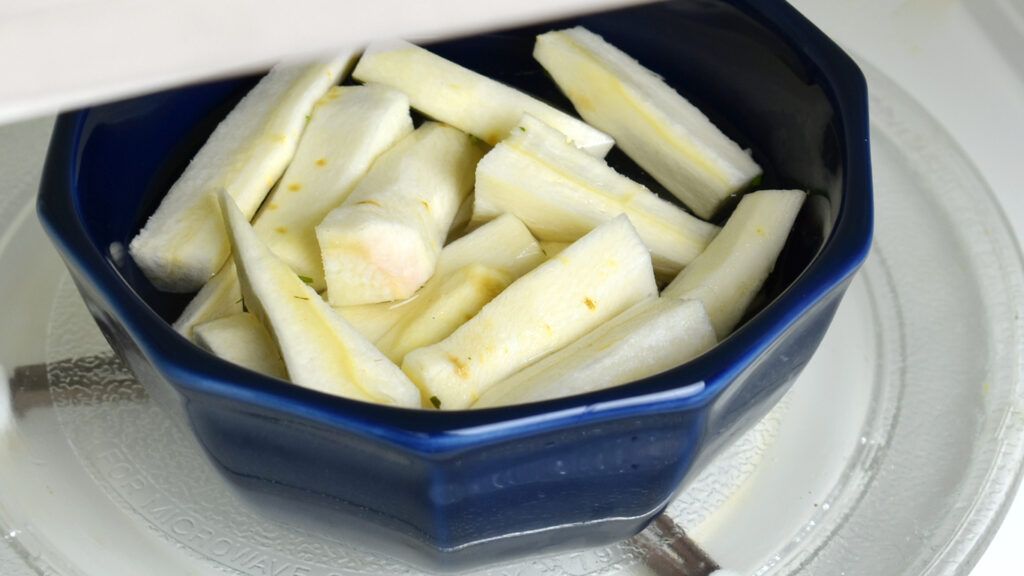
As we explore the world of vegetable cultivation, it’s time to delve into a lesser-known gem: the pastinaca. Also known as white carrot or wild parsnip, this ancient root vegetable has been a staple in many cultures for centuries. In this article, we’ll take you on a journey from seed to plate, covering the basics of growing and cooking with pastinaca.
What is Pastinaca?
Pastinaca, also referred to as white carrot or wild parsnip, is a biennial plant belonging to the Apiaceae family. Characterized by its long, hollow stem and white, edible root, this versatile vegetable has been a favorite among chefs and home cooks for centuries.
A Brief History of Pastinaca
The pastinaca’s rich history dates back to ancient Rome, where it was cultivated and revered by the likes of Emperor Tiberius. Its popularity continued through the Middle Ages, with Italy being a major hub for its cultivation. However, with the introduction of potatoes during the Renaissance, the pastinaca gradually fell out of favor.
Tasting Pastinaca
So, what does pastinaca taste like? Imagine a mix of carrot, celery, and parsley, with a hint of bitterness. The flavor profile is quite distinct, making it an exciting addition to any meal. Whether you enjoy it raw or cooked, the pastinaca’s unique taste will leave you wanting more.
Growing Pastinaca
To grow pastinaca, follow these simple steps:
- Choose the Right Time: In temperate climates, plant seeds in early spring (March) or late summer/early fall (August). For colder regions, wait until after the last frost.
- Select a Suitable Location: Pastinaca thrives in well-draining soil with full sun to partial shade. Plant in rows 40 cm apart and space individual plants 15-20 cm apart.
- Water Wisely: Keep the soil consistently moist during the first few weeks after planting.
Harvesting Pastinaca
The pastinaca is ready to be harvested when its root has reached a suitable size, typically between 10-12 inches long and 1 inch in diameter. Gently dig up the entire plant, taking care not to damage the roots.
Where to Find Pastinaca Seeds and Plants
You can purchase pastinaca seeds and plants from reputable suppliers online or at local farmers’ markets. Some nurseries also offer heirloom varieties of this ancient root vegetable.
Cooking with Pastinaca
Now that you’ve grown your own pastinaca, it’s time to explore its culinary potential:
- Boiled or Steamed: Boil or steam the roots to make a delicious side dish or add them to soups and stews.
- Roasted: Roast pastinaca in the oven with olive oil, salt, and pepper for a tasty, savory snack.
- Pureed: Blend cooked pastinaca into a creamy soup or sauce.
Tips for Using Pastinaca in Cooking
Here are some expert tips to enhance your cooking experience:
- Balance Flavors: When using pastinaca in dishes, balance its bitterness with sweetness from other ingredients like carrots or apples.
- Experiment with Spices: Try adding herbs and spices like thyme, rosemary, or cumin to complement the unique flavor of pastinaca.
Conclusion
Pastinaca is a fascinating root vegetable that offers endless possibilities for home cooks and chefs alike. By growing your own pastinaca, you’ll gain access to this ancient ingredient and unlock its secrets. Whether you’re looking to spice up your meals or explore new flavors, the world of pastinaca awaits.
Frequently Asked Questions
Here are some answers to common questions about pastinaca:
- Q: What is the ideal temperature for growing pastinaca?
A: Pastinaca prefers temperatures between 60°F and 80°F (15°C and 27°C) for optimal growth. - Q: How long does it take for pastinaca to mature?
A: The maturation period for pastinaca typically ranges from 120 to 180 days, depending on the specific variety and growing conditions. - Q: Can I grow pastinaca in containers?
A: Yes, you can grow pastinaca in pots or containers with a well-draining mix of soil and compost. - Q: How do I store pastinaca for long-term use?
A: Cooked and cooled pastinaca can be stored in the refrigerator for up to 3 days or frozen for later use.
Additional Tips
- Start small: Begin with a few plants to get a feel for growing and cooking with pastinaca.
- Experiment with recipes: Try new combinations of ingredients and techniques to discover the full potential of this versatile vegetable.
- Join a community: Connect with other gardeners, cooks, or enthusiasts to share knowledge and experiences about pastinaca.
Growing and cooking with pastinaca is an exciting journey that can enrich your culinary adventures. Don’t be afraid to explore its unique flavor profile and explore the world of ancient root vegetables!


